Should you seal your stamped concrete patio, driveway, or walkway? In most cases, yes. The right concrete sealer can enhance color, make cleaning easier, and protect the surface from water and everyday staining.
But not every concrete surface needs the same sealer. The best choice depends on the finish you want, whether the concrete is indoors or outdoors, and whether it has been sealed before.
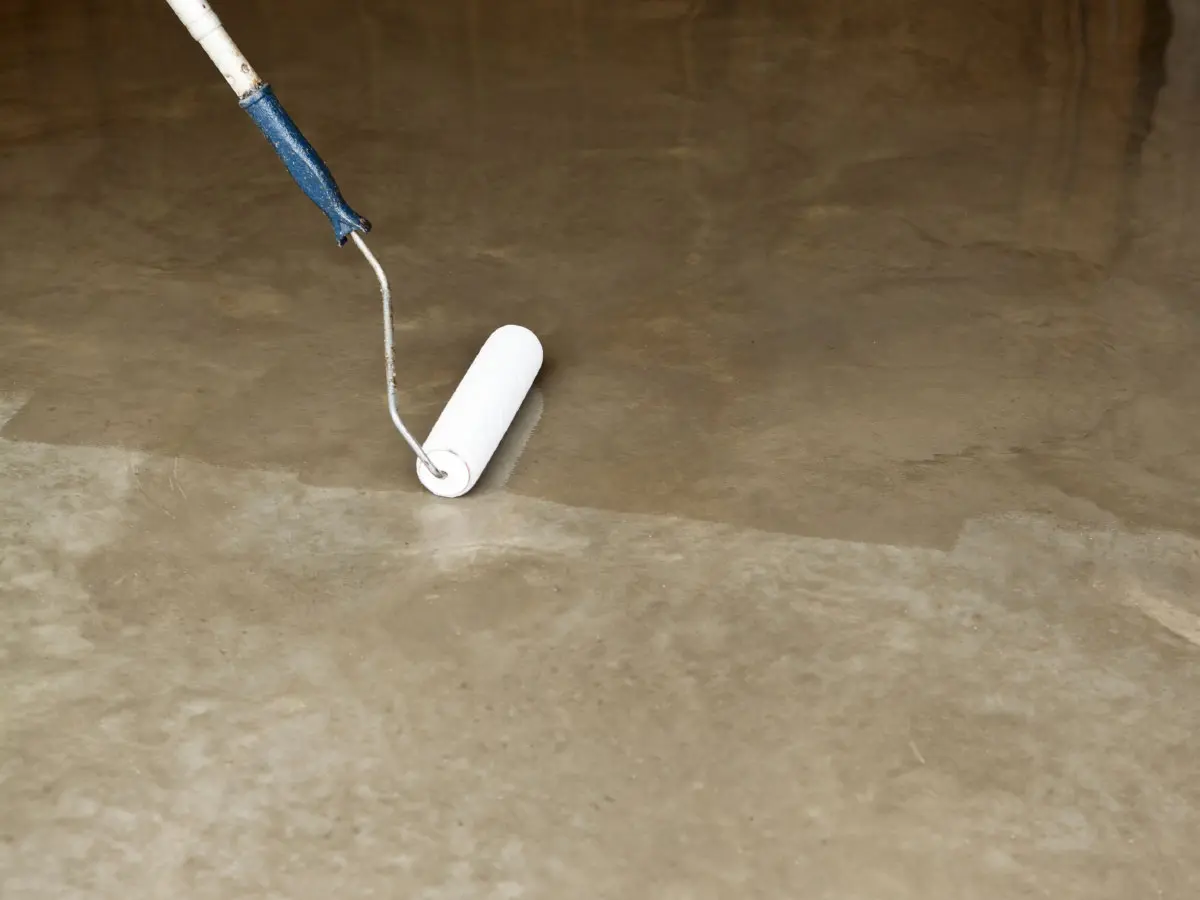
Does stamped concrete need to be sealed?
Sealing is especially useful for decorative concrete because it helps preserve the appearance of colored and textured surfaces.
A suitable sealer can:
- Enhance the color and detail of stamped patterns.
- Make dirt, spills, and stains easier to clean.
- Limit water absorption.
- Provide a gloss, satin, or natural-looking finish, depending on the product.
- Make decorative concrete easier to maintain.
Sealing is not a substitute for proper concrete installation, drainage, or routine cleaning. The type of sealer matters just as much as applying one.
How often should you reseal stamped concrete?
There is no single schedule that works for every concrete surface.
A lightly used, shaded patio may need maintenance less often than a driveway exposed to vehicles, direct sunlight, and changing weather.
Look for these signs before resealing:
Faded or uneven finish: The original sheen or color-enhancing effect has worn away in high-traffic areas.
Worn sealer: The existing coating is thinning, peeling, or losing its protective properties.
Increased water absorption: Water soaks into areas that previously resisted it. This can indicate that a penetrating water-repellent treatment is wearing away.
Staining or difficult cleaning: Dirt and spills are becoming harder to remove.
If the existing sealer is peeling, cloudy, or turning white, don’t simply apply another coat. Identify the cause and determine whether the old coating needs to be removed first.
Which concrete sealer should you use?
Start with the appearance you want and the conditions the concrete will face.
For a color-enhancing finish
Acrylic concrete sealers are commonly used on exterior stamped concrete. They can deepen color and create finishes ranging from lower sheen to high gloss, depending on the formulation.
For example, Proline Dura-Seal VOC100 High Gloss Sealer is designed for decorative concrete surfaces where a glossy, color-enhancing finish is desired.
For a water-based sealer
Proline Dura-Eco Seal is a water-based, low-VOC option designed for decorative concrete. It provides a wet-look finish with lower odor than traditional solvent-based products.
For a more natural-looking finish
Proline Nature Shield VOC 100 is a penetrating silane-siloxane hybrid that offers water repellency and a less glossy appearance.
Not all sealers are interchangeable. Before ordering, check the manufacturer’s technical data for approved surfaces, finish, existing-coating compatibility, coverage, and local VOC requirements.
What should you check before sealing?
Proper preparation is essential.
Start by cleaning the concrete and removing dirt, grease, loose material, and other contaminants. Check whether the surface has an existing sealer and whether the new product is compatible.
Concrete must meet the manufacturer’s moisture and curing requirements. Applying a sealer over a damp or improperly prepared surface can lead to cloudy areas, bubbles, or poor adhesion.
Check the weather before starting. Temperature, direct sunlight, humidity, and rain can affect application and curing.
Apply the product at the specified coverage rate. Heavy coats are not necessarily better and may create problems.
Always test a small, inconspicuous area before sealing the entire surface.
What if your stamped concrete has faded?
A sealer can enhance existing color, but it won’t necessarily restore antiquing color that has worn away.
If your stamped concrete has lost its secondary color, you may need to restore the color before sealing.
Proline EZ-Tique Antiquing Wash can be used to refresh antiquing effects on properly prepared stamped concrete.
Existing sealers or coatings may need to be removed before applying the antiquing wash. Follow the product’s preparation and application instructions before applying a compatible sealer.
Will sealing make concrete slippery?
Some sealers, particularly high-gloss film-forming finishes, can make surfaces slippery when wet.
Surface texture, drainage, the selected sealer, and maintenance all affect slip resistance.
A compatible slip-resistant additive, such as Proline Dura Grip, may be appropriate for certain sealer systems. Always verify compatibility and mixing instructions in the technical data sheet.
Pay particular attention to pool decks, steps, sloped walkways, and other frequently wet surfaces.
Find the right concrete sealer
The best sealer is the one that matches your surface, existing coating, desired appearance, and application conditions.
Explore our concrete sealers and maintenance products to compare options.
Not sure which product works with your concrete? Contact Calico Construction Products at 800-221-9469 for help choosing a compatible system.
-
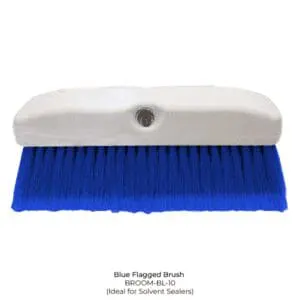
Blue Flagged Brush
$28.08 Add to cart -
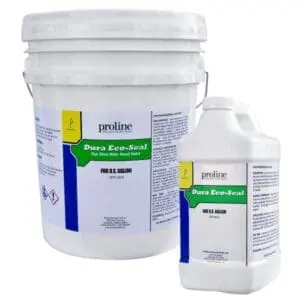
Concrete Sealer – Dura-Eco Seal
Price range: $90.00 through $369.00 Select options This product has multiple variants. The options may be chosen on the product page -
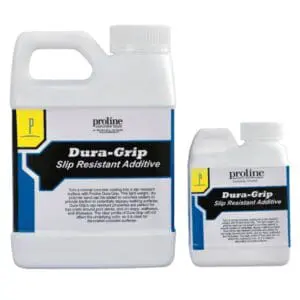
Dura Grip Slip Resistant Additive 2.5 oz and 8 oz
Price range: $8.00 through $19.00 Select options This product has multiple variants. The options may be chosen on the product page -
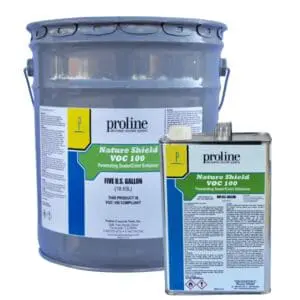
Nature Shield VOC 100
Price range: $102.51 through $12,878.68 Select options This product has multiple variants. The options may be chosen on the product page