• Ideas for Adding Plants to Your Decorative Concrete Project

    Ready to bring a little life to your hardscape? Incorporating plants into outdoor spaces that feature decorative concrete can add vibrant appeal. Depending on the project, there are a variety of ways in which adding plants can bring a splash of color, natural textures, and dynamic contrast to a home’s exterior. However, it’s important to be thoughtful and deliberate when adding plants so you can maximize their natural effects and ensure they’ll thrive in their environment.

    Read on to discover the basics of integrating plants with concrete, design principles to consider, methods of making concrete look more natural, maintenance tips for your project, and some tips for getting your project started.

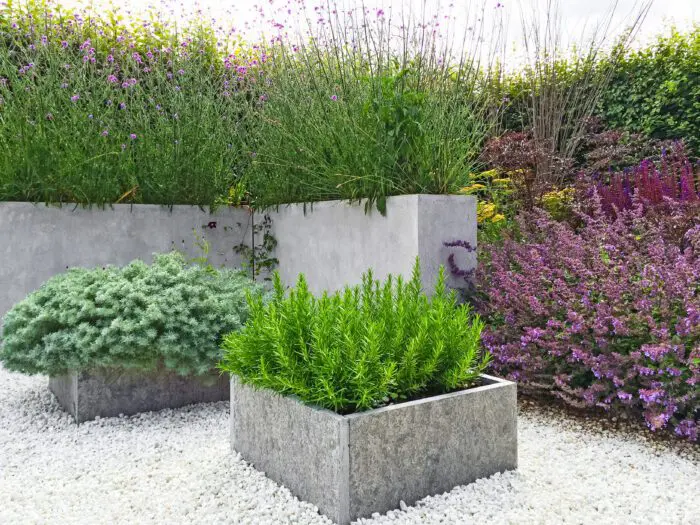
    Beautiful garden with concrete planters.

    Design strategies for integrating plants with decorative concrete

    While there are plenty of ways to incorporate plants with concrete, sticking to simple methods that require little upkeep is the best place to start.

    Although some concepts should be considered before concrete is laid, adding plants to existing concrete spaces is possible. We recommend researching which plants do best in your environment and whether they can thrive in your design. With just a little planning, you can save time and money down the road.

    Vertical gardening

    If you have limited space to work with or want to use a large variety of plants, a vertical garden on a concrete wall is a great option. This approach maximizes garden space and adds a lush green backdrop that enhances the aesthetic appeal of stark concrete surfaces. Techniques such as installing modular planters, using trellises, or incorporating felt planting systems can transform plain walls into vibrant living art pieces. Vertical gardens can then be complimented with wall fountains or concrete stamps that feature organic material.

    Built-in planters

    Integrating built-in planters into concrete structures such as patios, stairs, and walls is a sleek way to infuse greenery while maintaining a modern design aesthetic. These planters can be designed to fit into the features so they blend well while providing growing spaces. For example, embedding planters along the edges of concrete patios or using the risers of staircases for small herb or flower gardens can save space and add a unique element of nature. Built-in planters can also help manage drainage and protect structural integrity by controlling where water accumulates and flows.

    Between steps and along walkways

    Incorporating walkable plants between paver stones enhances the aesthetic appeal of walkways by introducing a burst of nature into hard landscaped areas. Plants like creeping thyme, moss, and sedum are popular for their resilience to foot traffic and ability to thrive in limited soil space. These plants soften the rigid lines of pavers, adding a lush, green element that can also reduce heat reflected off the stones while deterring weeds from growing. Such plants are also excellent for lining always or other concrete areas that may experience foot traffic.

    Design principles for integrating concrete and plants

    Not all design concepts need to involve plating plants into concrete structures. Simply adding plants around concrete surfaces can create plenty of aesthetic appeal.

    Mixing concrete and plants in your garden is all about finding the right balance and adding a splash of contrast to spice things up. Think of it like a dance between the heavy, steadfast nature of concrete and the soft, whimsical qualities of plants. You can achieve balance by placing lighter, airy plants like ornamental grasses or delicate ferns beside your sturdy concrete elements. This approach softens the hard edges and heavy concrete feel, creating a well-thought-out and harmonious garden.

    For a bit of contrast, try pairing bold, vibrant plants against the neutral concrete backdrop. Imagine bright green hostas or colorful annuals popping against a sleek gray concrete walkway. It’s all about making those plants stand out and giving your eyes something exciting to latch onto. And don’t forget texture! Mixing smooth concrete with rough, chunky succulents or bushy shrubs adds a tactile dimension that makes a space come alive.

    Using shapes wisely can also elevate your garden’s design. Square concrete planters or rectangular stepping stones provide a crisp, structured look that contrasts wonderfully with the wild, free forms of plant life.

    Methods for making concrete look more natural

    While plain slate concrete can create appealing contrasts with plants, creating a more natural look with concrete provides a much more harmonious look and feel.

    Add color to your decorative concrete to mirror nature

    Concrete stain is an excellent tool for designers and homeowners looking to match or complement the natural surroundings. Unlike paints, stains penetrate the concrete surface, offering more durable and permanent coloration that doesn’t wear off over time. Concrete colors come in various earth tones and vibrant colors and can be applied in different ways, allowing for complete customization.

    You can choose shades that mimic the dark browns of soil, the sandy tans of beaches, or the subtle grays of natural stone. These stains can be applied uniformly for a consistent color across the surface or varied to create natural color fluctuations that you would see in stone or wood. This variability can be enhanced by applying different colors in layers, achieving a depth of color that resembles natural materials more closely.

    Patterns: stamping and shaping concrete with natural textures

    Patterns in concrete can be applied through stamping, a technique where mats or stamps embossed with specific textures are pressed into the concrete before it fully sets. These stamps are often shaped like natural materials such as stone, brick, or wood, giving the hardened concrete the appearance of these textures.

    Stamped concrete can provide natural appearances to patios, walkways, and more to create a natural look that will make your plants look more at home. Edge details, varying shapes, and sizes of the ‘stones’ or ‘planks’ can all contribute to a more realistic appearance. Some stamps can even mimic trees and other natural features that can be used as planters or focal points in your design.

    Maintenance tips for concrete and plant integrations

    To avoid constant maintenance or unnecessary repair costs, carefully consider which plants you want to include and have a maintenance plan for your concrete surfaces.

    Best practices for maintaining the health of plants near concrete

    When plating in and around concrete, it’s important to ensure that the health of the plants is not affected by their hard surroundings. Concrete can alter soil pH, making it more alkaline, which may affect plant growth. To avoid this, use a garden soil and mulch buffer between the concrete and the plants. This can help maintain soil neutrality and retain moisture, providing a healthier environment for plant roots.

    Above all, proper drainage is crucial. Planting areas near concrete should have enough drainage to prevent water from pooling, which can lead to root rot and other moisture-related diseases. Raised beds or well-draining pots can be effective, especially in flat concrete areas like patios or driveways.

    It’s also essential to choose plants that are robust enough to thrive next to concrete, such as those that can tolerate a higher pH and more intense heat during sunny days, as concrete can radiate heat. Adjusting watering schedules based on the increased heat and potential for faster soil drying is key to keeping these plants healthy.

    How to care for features to prolong their life and appearance

    Concrete, while durable, requires proper care to maintain its aesthetic and structural integrity over time. Regular cleaning removes dirt and debris and prevents staining and moisture retention. For cleaning, use a pressure washer or a hose with a suitable cleaner that does not damage the concrete.

    Sealing concrete every few years is crucial to protect its surface from weathering, staining, and cracking. Sealants not only preserve the look of the concrete but also enhance its color and protect against water penetration, which can lead to freeze-thaw damage in colder climates.

    Check the integrity of joint sealants and reapply them as necessary to ensure that the joints between concrete slabs remain well protected from water and plant roots, which can cause heaving and cracking.

    How to plan your outdoor plant and concrete project

    If you need ideas for your project, check out our Idea Gallery and Pinterest page, which include plenty of images to get your creativity flowing. You can make progress toward shaping your space by asking your local nursery which plants grow well in concrete or near hot surfaces.

    If you want to make the most of your project, our concrete stamps, stains, and sealers will help you create the perfect blend of natural concrete concepts with whichever plants you choose. When you’re ready to get started, call 800-221-9469 or reach out to our team of experts, and we’ll be happy to help make your outdoor sanctuary dreams come true.

  • Tips for Elevating Your Concrete Stairway Design Game

    Are you looking to elevate the design of your concrete stairway? Crafting a concrete staircase goes beyond simply providing functionality; it can transform your space into an inviting pathway. Read on for tips on proper planning, stairway safety, improving our design, and materials to ensure longevity.
    How to plan your concrete stairway design

    The first step to creating the perfect concrete staircase is to lay the groundwork with careful and intentional planning. Consider your users, frequency of use, and any unique spatial considerations. You can ensure a smooth transition from concept to reality by mapping out your design in advance.

    Think about the flow of your space, how the stairway will fit into existing structures, and how it can complement elements such as lighting, landscaping, and other architectural features. While stairs provide needed accessibility, with the proper planning, they can contribute to your aesthetic and even act as a focal point.

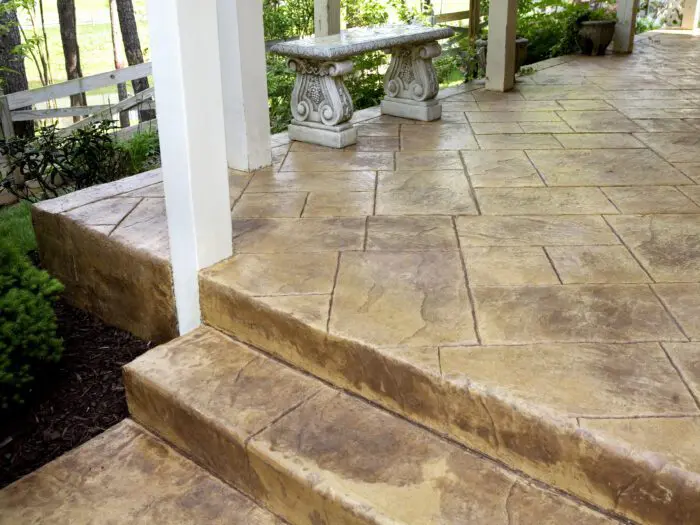
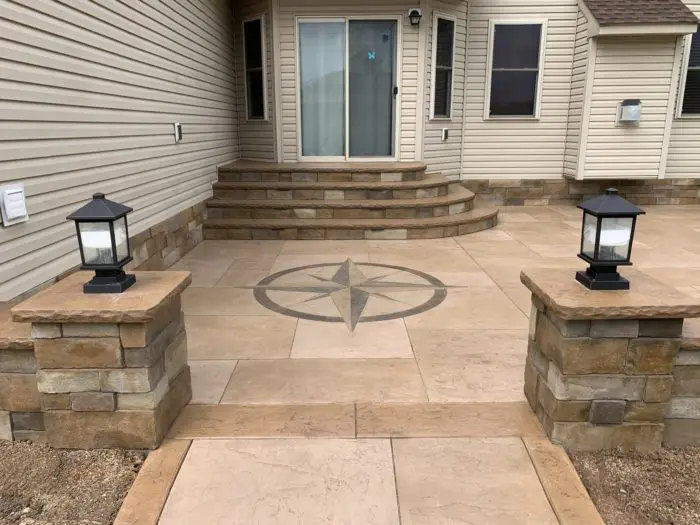
    stamped concrete steps and porch

    Create a safe stairway without compromising your vision

    When it comes to stairs, safety is non-negotiable. Ensure compliance with building codes, paying close attention to dimensions, slopes, and handrail specifications. Enhance safety further by incorporating non-slip treads and strategic lighting, offering functionality and peace of mind.

    Additionally, consider the visibility of each step. Properly placed lighting can enhance the safety of your stairway and elevate its visual appeal by highlighting the unique textures and colors of the concrete.

    Elevate your design with concrete tools and finishes

    The material and finish you choose for your concrete stairs can make all the difference. Concrete offers endless options, ranging from natural earth tones to bolder shades. Experiment with concrete’s versatility by exploring the spectrum of colors and textures. Use a variety of pigments to achieve your desired aesthetic, whether it’s modern minimalism or rustic charm.

    Consider decorative finishes like exposed aggregate or stamped patterns. Enhance the visual appeal of your stairway with decorative techniques that add texture, depth, and visual interest. Exposed aggregate surfaces reveal the natural beauty of stone, while stamped patterns mimic the appearance of brick, tile, or other materials for a customized touch.

    Don’t stop at concrete. Add character to your design by adding complementary materials such as wood or metal accents. Mix and match materials to create contrast and visual intrigue, adding warmth and character to your stairway.

    Stairs built for life

    A well-built stairway is an investment in longevity. Select durable materials and construction methods capable of withstanding the rigors of daily use and the elements. By investing in quality upfront, you’ll ensure your stairway remains a steadfast feature of your space for years. This preventative maintenance is vital to preserving your stairway’s function and beauty over time.

    To ensure you’re selecting materials that will stand the test of time, consider how well they fare in your given climate. Elements such as heat and humidity can affect materials in different ways. Also, think about how frequently the stairs will be used, which may impact your design’s ability to maintain its aesthetic.

    Ready to embark on your stairway design journey?

    If you’re ready to embark on your stairway design journey, contact our specialists at 800-221-9469. We can help you discuss your project and answer any questions you have. If you’re a homeowner and need to find a contractor in your area, we can help there, too!

  • Warm Up Your Outdoor Space: Exploring Patio Heating Options

    Enjoying Outdoor Space Year-Round

    Colder weather doesn’t mean that you can’t still enjoy your outdoor spaces. Finding the right heating source for your patio or yard can help you enjoy time outside year-round. With the wide range of outdoor heating sources available, it can be difficult to determine what will work best for your space. Whether your space is big or small, this will help you find the perfect solution to keeping the cold weather from putting a damper on your outdoor fun.

    Types of Patio Heating Options

    The first step in determining what type of heater you need is to know what choices are available. Options can vary greatly in size, cost, heating power, and aesthetic.

    Outdoor Fireplaces

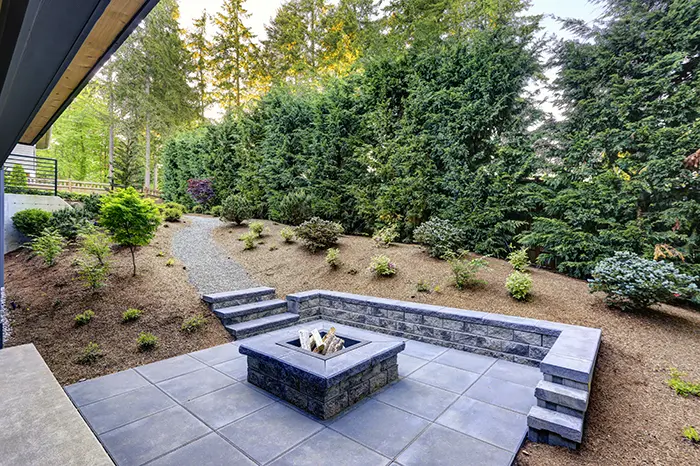
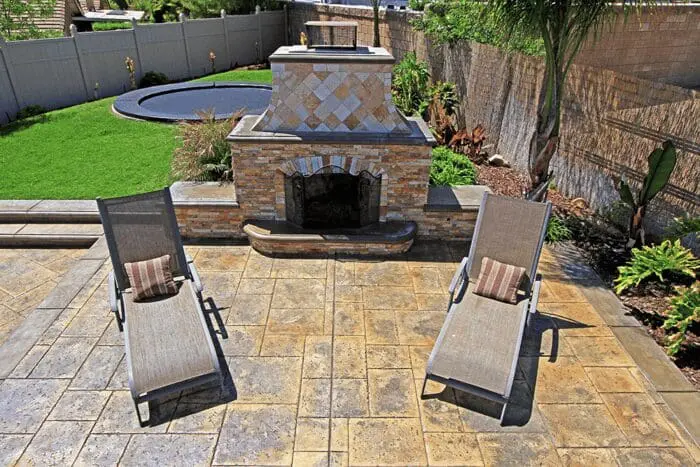
    Most likely the most eye-catching and aesthetically pleasing option is an outdoor fireplace or permanent fire pit. Not only can these be used as a way to improve the look of your outdoor space, they create a cozy living room like atmosphere that can’t be replicated with other heating options. In addition, they can help give a sense of permanence to your space, and won’t require you to store them elsewhere during the warmer months.

    No matter if you build it yourself or have one built for you, they can be made with a variety of materials, such as metal, stone, brick, or concrete, which can be further customized with a variety of colors and stamps. You can also choose to fuel it with wood or gas.

    Portable Fire Pits

    A great option if you are looking to move your heating source around or take it places away from your house are portable fire pits. Due to their low cost and easy portability, these have become a popular option. Many of these use fire, but there has been an increase in gas options. While portable fire pits may not be as aesthetically appealing as their permanent cousins, their look can be easily improved with a concrete edge liner or form liner.

    Propane Patio Heaters

    A common choice for restaurants or commercial areas, propane patio heaters can be used during the colder seasons and stored once the weather warms up. Possibly the most convenient of the heating options, they can be easily moved around to fit your space, but they are often less weatherproof and aesthetically appealing than the alternatives. Since these use propane, you will need to make sure you have a refill on hand for when they run out. They also may not last as long as the previous options on this list.

    Electric Heaters

    If you are looking to heat a small space or don’t like the idea of flames, electric heat lamps may be the best option. Like propane patio heaters, these can be easily ported around your space and stored when not needed. However, if you are wanting to provide enough heat for more than a person or two, you may find that these lack the required heating power. Like propane patio heaters, they aren’t very weatherproof and likely won’t last as long as fire pits and fireplaces.

    Choosing the Right Option for Your Space

    When considering what heating source is right for your space, there are a few things to consider. First being what kind of fuel you want to use. If you don’t like the idea of flames, then you will want to go with an electric option, but otherwise you can decide between gas or wood. Fire pits and fireplaces can be fueled with either option, and if you want a permanent installation you can even elect to use natural gas instead of propane if your residence is equipped to do so.

    The next thing to consider is the size of your space. Other than electric, any option should be capable of heating a large space, but the size and power of the heating source will dictate how far away someone can be and still feel comfortable. Before selecting a heating source it’s important to take measurements of your space and read any specifications on a heating source to make sure your whole space will be heated.

    Get started today

    As the weather continues to get colder, now is the time to begin heating your outdoor space. No matter what solution you choose, we are here to help with a variety of products that can transform your space or make your new fireplace or fire pit one-of-a-kind.

    Want some inspiration before you begin your search? Check out our Pinterest board for ideas on how to make your space a haven during the cold months.

  • 5 Inspiring Ways to Transform Your Backyard with Stamped Concrete

    Looking to renovate your backyard and give it a fresh new look? Consider the incredible transformative powers of decorative concrete. As we’ve seen time and time again, concrete is no longer a cold, gray material suitable for nothing more than roads. Concrete is highly customizable, capable of providing nearly limitless looks and styles. Read on for our top tips for transforming backyards with versatile, beautiful concrete!

    Add a concrete patio

    A concrete patio is often the foundation for a fantastic new backyard. From serving as a gathering space, a dining area, or a place to read, a patio is functional and beautiful, thanks to stamped concrete’s limitless customization options. Concrete is the perfect material for a patio since it can be stamped to look like nearly any natural material, such as wood, brick, tile, and stone. With tinting options, concrete can look beautifully realistic to match the stamp used or you can up the ante and use bright, bold colors.

    Create a backyard fire pit

    Fire pits are a perpetually popular backyard feature. Whether warm summer evenings or cold winter nights, fire pits are a great way to get the family outside and away from screens or to catch up with friends over a drink. Proline form and edge liners are an easy way to craft a durable, attractive fire pit.

    Install a kitchen area

    If you’re a big griller, then consider upgrading your grill area by installing an outdoor kitchen. Adding concrete countertops makes food prep a breeze and you’ll love the customization options, from integrated lighting and cutting boards to polishes, embedded accents, and stains. Thanks to concrete stamps, a counter can mimic most natural materials and complement any style of patio and home. Additions like a mini fridge, wine cabinet, flat top griddle, trash bins, and cupboards are a fantastic way to keep entertaining streamlined and enjoyable. Consider covering part of the kitchen so diners can be protected from the elements and ample lighting options for evening parties.

    Incorporate a water feature

    The sound of moving water is so relaxing. It’s the perfect addition to help turn your yard into your own private oasis. Proline’s elegant Ledger Stone Wall Fountain Mold is one turnkey option, while a variety of form and edge liners let you design your own creation. Enjoy your morning coffee with the peaceful sound of water.

    Build a garden path

    Nothing is as enchanting as a garden path! Bring whimsy and magic to your yard by building a path that meanders through your yard. Have a small yard? No worries! Even a short path leading from a patio to a raised bed can be useful and adorable. Decorative concrete walkways can seamlessly coordinate with the look and feel of your patio, whether modern, rustic, or minimalist. Add accents and edging to create an intentional piece that elevates the space.

    Why concrete?

    Concrete is functional yet aesthetically pleasing, a combination that isn’t often seen. Don’t settle for a material that either won’t meet your needs or doesn’t have the look you’re going for. Concrete can do both!

    Functional advantages:

    Concrete is obviously strong. It’s used to make roads, after all! Concrete is also very durable. It can withstand above average wear-and-tear, and when properly maintained, can last over 30 years. While concrete does need to be sealed periodically, it requires little else in the way of maintenance. Simple sweeping and cleaning when it gets dirty is generally enough to keep it looking great.

    Decorative advantages:

    Concrete has the ability to look as elaborate as one wishes. Stamp options, which include brick, wood planks, stone, slate, and more, mean that practically any design needs can be met. Color is another major advantage of concrete. Products like acid stain, color hardener, antiquing washing, and acrylic stain provide endless color options.

    Small touches can make a big impact. Border art and decorative accents create a cohesive look while animal and plant stamps can provide a personalized touch. Statement pieces like a compass rose stamp or a gorgeous medallion create show-stopping spaces.

    Tip: Don’t forget the edging. When designing your new backyard, don’t forget to incorporate edging to define spaces and keep grass from spreading. Concrete edging, which is durable and easy to clean, provides a clean look.

    Get started today

    Contact Calico today at 800-221-9469 to get all the tools and advance you need to get started on your backyard projects. Our concrete experts love to talk through any problems or questions you have. If you’re ready to get shopping, browse our selection of concrete stamps, form and edge liners, colors, and sealers.

  • Benefits of Staining Concrete

    Enhance the Look and Longevity of Your Project with Concrete Stain

    Looking for a cost-effective way to add an extra layer of style and strength to your concrete project? Great for indoor and outdoor applications — commercial or residential — applying stain is an excellent, affordable, and low-maintenance way to enhance the appearance of any concrete project.

    Concrete staining is a decorative concrete technique that adds color and texture to plain concrete surfaces. Stain is excellent for all types of concrete projects, including floors, driveways, patios, sidewalks, and walls. As a bonus, staining a concrete’s surface is relatively inexpensive. It can be done on existing concrete, eliminating the need for costly removal and disposal of old flooring.

    What concrete stain is better for your project?

    The two most common types of concrete stains are acid-based stains and water-based stains. The primary difference between these two types of stains is how they interact with the concrete:

    • Acid-based concrete stain is great for outdoor use and offers a more natural color by penetrating the surface and reacting with the calcium hydroxide (hydrated lime) in the concrete.
    • Water-based concrete stains use pigments, rather than a chemical reaction, that flow into pores to bond with the cement. They sit closer to the surface (allowing for more vibrant color tones) and are less likely to permanently change the concrete’s color. Most water-based concrete stains are also more user-friendly, less toxic, and more environmentally friendly than acid-based stains.
    Brick Stamped Concrete Patio

    For concrete staining success, surface preparation is key

    Regardless of whether you’re planning to apply an acid-based or water-based concrete stain, preparation is important, especially if you’re staining existing concrete. Consider investing in Smith’s Green Clean Surface Prep, a non-corrosive biodegradable gel that will prepare your concrete for staining. A major benefit is that you can use it both indoors and outdoors.

    There are countless possibilities for customizing your concrete color

    Concrete stains come in many colors and design options. Here at Calico, we offer water-based acrylic stains, acid stains, Pro-Stain, and more. We have a wide variety of Proline products that can help bring your concrete inspiration to life.

    Check out our FAQs to learn more about the stamped concrete colors and tint options we offer.

    Concrete staining is a durable and long-lasting solution for both residential and commercial spaces

    Because concrete stains penetrate the surface, their color resists fading, flaking, and peeling while preserving its stunning color. Staining is considered an excellent option for both residential and commercial use. It can also stand up to heavy foot traffic and harsh weather conditions, making it suitable for indoor and outdoor surfaces.

    Seal your stained concrete for a long-lasting solution

    Stained concrete, while durable, does wear down over time. Properly sealing the concrete will help protect it for significantly longer. Then, you’ll only need to run a damp mop over the surface from time to time and avoid using both harsh chemicals and abrasive materials to prolong its life.

    • The longevity of a concrete stain can vary depending on several factors, including:
    • The quality of the product used
    •  The surface preparation
    • The application method
    • The level of exposure to wear and tear

    If you’re looking to give your concrete a personalized touch, check out Smith’s Color Floor-Bright Lights, a concrete seal that offers a natural appearance and is water-submersible, a neutralizing agent, and both weather and UV light resistant.

    How long does concrete stain last?

    Generally, high-quality stains that are applied and sealed correctly can last for several years before they start to fade or wear down. Over time, the color will fade and may need to be reapplied to maintain the desired appearance. Regularly cleaning and resealing the surface will prolong the life of your stained concrete and keep it looking fresh and vibrant.

    Put a custom look on your next concrete project by applying a vivid stain!

    Call 800-221-9469 to contact Calico Construction Products’ concrete experts, who are ready to answer your questions.

  • Get Your Concrete Patio Ready For Summer

    The days are getting warmer, the flowers are blooming, and you’re thinking about grilling out. Summer is almost here! Make sure your beautiful decorative concrete patio is ready for all your summer entertaining. Follow our easy tips and you’ll never want to go back inside!

    Step 1: Check for winter damage

    Winter can be tough. Concrete is obviously a durable material but it’s not impervious to winter’s snow, rain, and cold. This is particularly true if the concrete wasn’t poured and treated with enough care and attention to detail. Even if you’re not a pro, there are a few things to look for.

    • Cracks: Cracks can be concerning! Minor cracks happen and they usually can be handled pretty easily. It’s important to catch the crack early, though! This increases the chances you’ll be able to repair it properly. If you don’t take care of it, water and weeds will collect in the crack and create pressure that will deepen it.
    • Pooling water: If there’s standing water, then there’s some sort of drainage issue. Long-term damage will occur if the drainage isn’t fixed.
    • Spalling: When pieces of concrete chip and fall off, it’s known as spalling. This usually happens due to improper curing or an overly wet concrete mix. It can usually be repaired with resurfacing.
    • Weathering: Eventually, some concrete just starts to look tired! It might look excessively worn out. Luckily, most old patios will look refreshed with resurfacing and sealing.
    Crack in the concrete photo

    If you noticed any of these issues, we recommend conferring with trusted concrete contractors and determining how best to take care of the problem. Please note that these issues don’t necessarily mean you’ll have to redo the whole thing! In many cases, there are ways to repair and remedy the problem.

    Step 2: Clean it up

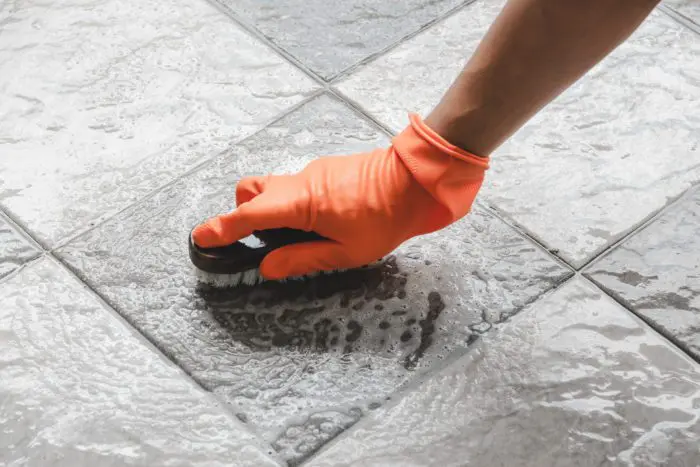
    To maintain your concrete patio, give it a good cleaning on a regular basis. Sweep off the surface weekly (or as debris accumulates) and do a more thorough cleaning a few times a year. This might include using a pressure washer to spray down the concrete and using a brush and mixture of water and mild detergent to scrub the surface. Not only does this keep your patio looking great, but it will prevent staining.

    Already have stains on your patio? There are specialized products made for the following stains but you might consider starting with an easier solution first. Here are a few quick tips.

    • For rust stains: Vinegar to the rescue! For old (or new!) rust stains, simply pour some white vinegar onto the problem area. Let it sit for about 30 minutes and then scrub with a brush. After rinsing and drying, assess the stain. Repeat the vinegar step if needed.
    • For grease or oil stains: Sprinkle the area with baking soda to absorb the oil and then sweep up any remaining power. Repeat as needed, scrubbing the stain with some water.
    • For mold and mildew: If fungus has accumulated in any spots, spray the area with a commercial product or try a vinegar and water solution. A bleach and water mixture is often recommended but this can kill any surrounding plants. Please note: Bleach is technically ok to use on concrete but it can damage any color or sealers that might be on the surface.
    Cleaning concrete photo

    Step 3: Seal it up

    Sealers are vital for concrete patios! If you haven’t sealed your patio in a few years, then this is a great time to do so. We actually recommend sealing concrete a minimum of every two years (and more often depending on your weather conditions). Sealers extend the life of your patio and protect it from water, solvents, salt, and other substances.

    Step 4: Make it look great

    Now that your concrete is sparkling, make the rest of your patio look beautiful, too! There are so many décor options that can make your concrete patio the star of your home! Consider these quick tips and then read Tips to Create the Perfect Outdoor Living Area!

    • Installing lights: Nothing adds ambiance like lights! Whether tikki torches, string lights, or lanterns, lights are a beautiful way to add some magic to your outdoor space. You could also add spotlights to highlight landscaping elements and illuminate pathways.
    • Adding plants: Potted plants and flowers are a great way to enhance the beauty of your patio. If you love to garden, you can plant perennials that come back every year. And if you don’t have a green thumb? Plant beautiful annuals that you don’t have to worry about keeping alive for more than a season. Check out your local garden center for planters. We love the look of planters in various colors and sizes clustered together!
    • Upgrading furniture: Comfy furniture is key and you want to make sure it’s meeting your needs. Do you dine al fresco during the summer? Or do you tend to gather around a firepit with a drink? Make sure your setup is conducive to your gatherings, whether that means a large dining table, a sectional, or rocking chairs. Consider waterproof fabrics and throw pillows to make it homey! Don’t forget the outdoor heaters to make sure you stay cozy.
    Make it look great photo

    Shop Calico Construction Products for your decorative concrete needs!

    Ready to get started on a decorative concrete patio? Shop our selection of concrete stamps, form and edge liners, colors, and sealers. Contact our specialists at 800-221-9469 to discuss your project and any questions you have.

  • 5 Stamped Concrete Trends in 2022

    Do you want to make sure your stamped concrete projects earn a stamp of approval this year?  Learn what we’ve been seeing and what we anticipate homeowners will be looking for in 2022!

    Trend #1: Renewed focus on outdoor living

    It’s true that outdoor living surged in popularity during the pandemic. And while this trend may not be “new” exactly, we’re here to tell you that it’s not going away any time soon! That’s because making the most of yard space makes sense for many reasons. Enhancing outdoor areas to be comfortable and utilitarian is a smart way to make the most of your available space while also giving you an enjoyable way to entertain. Whether you’re upgrading a patio or creating an outdoor kitchen (or something in between!), homeowners love a functional and beautiful outdoor space.

    Color Hardener – Powdered Antique Release – EZ-Tique Antiquing Washing – Smith’s Color Floor – Italian slate seamless stamps – 2″ Denali liners Perry’s Decorative Concrete in Shelby, OH

    Trend #2: Bright, vivid color

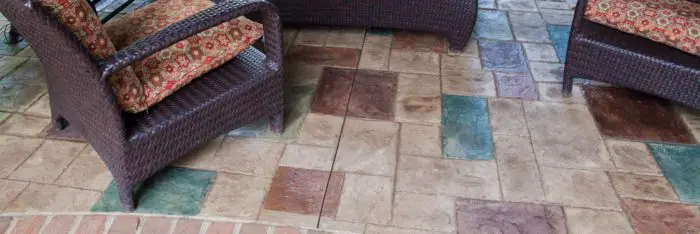
    Last year we held a photo contest. One takeaway from the incredible project photos our customers submitted … color is big! Whether bright and cheerful or beautifully subtle, tinting your stamped concrete project shouldn’t be overlooked. There’s no better way to create a functional space that also visually complements the other elements of a property. At Calico, we offer a wide range of concrete color and tinting options. From bright turquoise and reds to soft blues and greens, there are so many possibilities. To freshen up existing concrete, try color packs for cementitious overlays or ProStain. On new concrete, use Proline Color Hardener or Integral color. Once you have your base color, accent with color options like Antique Powder Release, EZ-Tique Antiquing Wash, or water-based acrylic stain. Get inspired with our Idea Gallery!

    bens concrete creations
    Proline Blue Ridge Stone – Integral Color – Acid Stain. Ben’s Concrete Creations, LLC in Blairsville, GA

    Trend #3: Concrete countertops

    For a bold, modern look, concrete countertops are a great option for kitchens, bathrooms, and even outdoor areas, as well as commercial businesses like restaurants and bars. They are incredibly customizable, durable, and easy to maintain. Leave them grey for an industrial look or customize them with stains and stamps to mimic other materials like granite or wood. Polish the surface, embed decorative accents, and add an interesting edge. Custom features can be included, too, like cutting boards or even integrating lighting. When concrete countertops are reinforced with glass fibers, they are lightweight yet strong.

    Trend #4: Interior concrete floors

    An interior concrete floor is a striking design choice that is infinitely customizable. It’s a great choice for both commercial and residential applications. Due to its weight, interior concrete is best suited when pouring a fresh slab or modifying an existing one. Concrete is so strong that it’s an ideal choice for areas that may experience heavy foot traffic, spills, and heavy furniture. When installed properly, it will last beautifully for years. It’s also easy to maintain, requiring little more than a sweep and damp mopping to keep it clean. Periodic resealing will keep it looking pristine. The ability to add radiant heat is another major plus for those who live in chilly, damp climates.

    Trend #5: Concrete patios

    With lumber prices soaring again in 2022, we expect that concrete patios will be more popular than wood decks. A concrete patio can be just as aesthetically pleasing as one made of wood, especially due to its ability to be stamped, stained, and polished. We offer the full line of Proline concrete stamps, which include such options as wood planks, cobblestone, square tile, and random stone, just to name a few. When you add in the ability to stain and tint concrete, your results will fit in with any home’s design or style.

    Ready to get started on your stamped concrete project?

    Contact the pros at Calico Construction Products if you’re ready to begin your 2022 project! Shop our wide selection of concrete stamps, coloring options, and accessories. We’re standing by to answer your questions! Just give us a call at 800-221-9469.

  • Take Beautiful Photos of Your Concrete Project

    As a concrete contractor you’re experienced with taking your customer’s requests and your vision to make your project look great. As with many projects, the work doesn’t end when the job does. Are you taking photos of your competed projects? Photos are such a vital tool in promoting your business. Whether using them in a portfolio on your website or sharing to social media, customers love to see what you can do. But any quick snap won’t do the trick. You need to take a photo that fully illustrates your skills and expertise. Here are our top 5 tips for contractor photography.

    Tip #1: Keep it clean

    Let’s start with the most important one! When you’re taking a shot of a finished project, make sure the area (anything that will be in the photo) is tidy and organized. If you’ll be using a photo editing program (more on that below) you can certainly plan on cropping out any mess that might be along the edges of the project. But it’s better to save the cropping for anything that you can’t remove – think of a border that hasn’t been landscaped or a gravel walkway that hasn’t been paved yet – and set your scene first by removing anything that could detract from your beautiful work. This could be buckets, tools, dumpsters, and vehicles. Staging your shot will make the finished photo look professional.

    Tip #2: Think about dimensions & sizes

    When it comes to social media and portfolio pics, it’s a good idea to take horizontal photos. This way you can include more of your work in the frame. This also makes it easier to crop out anything you don’t want to include.

    While you’re at it, think about the size and shape of the photo you’ll be sharing. If you’re emailing your photos to an employee or marketing agency, the file will likely be a large one. That’s ok! If you try to compress the size before sharing it, it will be harder for them to work with it. You can make large files smaller but you can’t make small files larger! In general, we recommend cropping the photo first and ideally, cropping it into a square. Then you can reduce the size to one that fits social media and websites. A 1200 x 1200 square pixel will usually work well in both cases. You can also use this size for Facebook and Instagram.

    Tip #3: Use good lighting

    This one may seem obvious but it’s really important. The best photos are well-lit with natural light. Noon might provide the brightest light, but you should also consider morning or late afternoon for the best colors and shadows. You might not always have a lot of time to devote to getting the best light. That’s understandable, and where basic photo editing software can help. Using a filter or adjusting brightness and contrast can help your photo really pop, even if the light is poor. However, stop yourself from going overboard! You don’t want to filter your photo into something unrecognizable. For prospective clients, you want to make sure your photos are representing your true work and your colors are accurate.

    Tip #4: Edit your photos

    As we mentioned above, photo editing can be super useful since it makes it a cinch to crop, filter, and resize. If you have a design program for your business, like Adobe Photoshop, you’re already well-positioned to edit photos. If don’t use this kind of software but you think it would be helpful, consider using a free software like Gimp or Canva. These programs can amp up your design game, especially if you want to create images using your logo or extra text.

    But don’t overthink it. If you just need to do the basics, look at what might already be installed on your computer. You likely already have a free program that can get the job done. Even most mobile devices have an editing option that can suffice!

    It doesn’t have to be fancy.

    Tip #5: Keep your eyes open for other photo ops!

    Once you get in the habit of taking photos, be open to other opportunities that could help your marketing efforts. Consider doing before-and-afters, progress shots, staff pics, or behind-the-scenes. These are great ways to strengthen your brand, personalize your company, and showcase your expertise.

    Enter Calico Construction Product’s 2021 Photo Contest!

    There is still time to enter our 2021 Photo Contest! We’re accepting entries until 9/30. Read how to enter for your chance to win a $150 gift card to our online store.

  • The Benefits of Concrete Driveways

    Do your customers ever ask about the advantages of a concrete driveway versus an asphalt driveway? Often it can be difficult to convince a homeowner who has their heart set on asphalt to consider concrete instead because they’re concerned about the higher upfront costs. In this situation, what can you say to help clients see concrete in a different light? Here are four reasons why concrete is a great option for driveways (and other high-traffic surfaces).

    Why consider concrete, over asphalt, for your next driveway project?

    • Lasts for decades
    • Low maintenance
    • Lower life cycle cost
    • Can be extremely customized and designed
    Ashlar Stamped Concrete Driveway

    Durability

    Concrete is a sturdy option that will last up to 50 years, depending on climate and maintenance. Cracking and wearing may occur, of course, but concrete can be patched and repaired. In comparison, asphalt will last about 20 years. While asphalt is more easily repaired, it’s also considerably more prone to deterioration and damage since it’s softer than concrete.

    Both asphalt and concrete have climate considerations that affect durability. Concrete can be sensitive to extreme cold and can buckle, especially if not properly maintained.  On the other hand, the softness of asphalt makes it a less than ideal option for regions that experience high temperatures. Asphalt  becomes gooey when it’s hot and then hardens again when the temperature lowers. This softening and hardening cycle can cause the asphalt to sag or crack over time.

    Maintenance

    Concrete is relatively low maintenance. It may need to be cleaned with a brush annually. Most contractors recommend applying sealer every few years because it helps to preserve the concrete, can intensify the colors, and makes it easier to clean. More importantly, sealers can prevent damage from freeze-thaw cycles mentioned above. Asphalt is a more hands-on driveway material. Six to twelve months after installation, an asphalt driveway should be sealed, and this process should be repeated every three to five years.

    Life cycle cost

    Looking at the initial price of concrete versus asphalt, the latter does win out. Concrete can be two to three times more expensive than asphalt, but that’s not the end of the story. When you look at the whole life cycle of both materials and what they’ll cost during their lifetimes, concrete usually comes out on top thanks to its long life and low maintenance costs.

    Decorative options

    There’s no comparison here. Asphalt is black or dark gray. Sure, concrete is pale gray but many homeowners are unaware of how customizable it can be thanks to Proline concrete stamps and nearly endless color options. Concrete can be stamped to look like practically any other material;  stones, brick, tile, and even wood for example. With tinting and coloring products, concrete can truly be a work of art.

    To summarize

    • Concrete is more durable.
    • Concrete has an average lifespan of 50 years.
    • The only maintenance required is applying sealer every few years.
    • Concrete can be stamped with patterns, textures, and designs
    • Concrete can be tinted and stained with different colors and finishes.

    Find everything for your concrete project

    Calico Construction Products has the full line of Proline concrete stamps, colors, and more. Come shop with us or feel free to give us a call at 800-221-9469 with any questions. We’re here to answer your questions and help you find the best products for your job!

    Concrete News & Tips

  • Our Most Frequently Asked Questions About Stamped Concrete

    Here at Calico Construction Products, we know concrete well and we know how to help make it look great. Our customer service team fields a lot of questions, so we wanted to share a few that we hear on a regular basis.

    Take a look and let us know if you have more to add to the list!

    Can faded or cracked concrete be repaired?

    In most cases, yes! While concrete isn’t immune to deterioration from age, there are often ways to refresh and repair it. If your tinted concrete has simply faded over time, products like Proline’s Accent Water-Based Acrylic Stain, or EZ-Tique Antiquing Wash can restore your dull concrete. They are easy to use and give faded concrete a nice pop of color. Your surface must be porous, though, for the coloring product to adhere.

    Overlay is an effective and affordable way to repair cracked concrete. Once fixed, the concrete can be stamped and colored like new. For concrete overlays, use Proline’s Color Packs for your base color and products like Accent or EZ-Tique for highlighting and antiquing. This would replace color hardener and antique release in this application. Proline Pro-Stamp, a strong stampable overlay, transforms plain concrete into a surface that can be stamped with any decorative, textured finish. Proline ProSurfacer, a high strength polymer concrete overlay, is another product that can restore and repair stained and cracked concrete. This can be colored, broom finished, stained, the possibilities are endless. It is used in several overlay applications and can even be used as a patch and leveling compound that can fill and repair uneven concrete.

    Do I need more than one stamp to effectively stamp concrete and what is a “package” of concrete stamps?

    Yes, most times stamping concrete requires more than one stamp. Things to consider when deciding on how many stamps are needed for the project: How large is it, how much can I stamp before the concrete gets too hard? Where am I going to walk/stand while placing the pattern? Are there multiple pieces that work together to complete the pattern, i.e. an “A,” “B,” and/or “C,” stamp? We’ve listed the dimensions of all of our stamps online to assist in laying out your project.  Concrete stamps are designed to be used in multiples. Seamless stamps overlap while patterned concrete stamps are placed next to each with no gaps in between. The general recommendation is that you should have enough stamps to cover the width of the project, plus two.

    So what’s in a package of concrete stamps? Our packages contain the minimum number of stamps and accessories recommended for each pattern. This generally includes six rigid stamps, one thin flex, two touch-up skins, and the recommended chisels and/or wheels that best fit the pattern.

    Do I need to seal my concrete after stamping and coloring?

    Yes. Sealing maintains the color of your concrete. Sealing concrete enriches the color intensity — whether the color is integral, a stain or dye, or from color hardener. Sealers can add sheen to the concrete such as a high gloss or no sheen like a matte. Concrete sealers block the penetration of dirt, oil, grease and chemicals, and make the concrete surface much easier to clean. Sealers prevent water intrusion which can minimize freeze-thaw damage. Concrete sealers also help to prevent wear and tear from high foot and auto traffic areas.

    Concrete should be sealed every two years or more frequently if it’s exposed to extreme weather.

    What are release agents?

    You should always use a release agent. This substance, which is a bond breaker, prevents the concrete from sticking to the concrete stamps. Apply the release agent in either a liquid or powder form. Work as you go and don’t get too far ahead of the stamping.

    Traditionally there are two types of release, liquid and powder. Proline’s Antique Release powder comes in over 20 colors. Keep in mind: do NOT use powdered release on Proline’s Seamless Magnetic Skins.

    Proline’s Dura-Liquid Release promotes the release of stamps and texturing tools. Improve your results by ensuring tools don’t stick to wet concrete! The release is applied to the face of tools and skins, and directly to the surface of fresh concrete before stamping. This liquid product is less messy to apply than powders but it provides no color. For adding an antiquing color similar to that of what is produced with colored powder release, check out EZ-Tique.

    How can I add a base color to concrete?

    Concrete can be stained and tinted in a wide variety of colors and tones, and there are a few ways to accomplish this:

    • Color hardener is a popular technique that involves broadcasting the product onto wet concrete and then working it in with a trowel. Only the top surface is colored, so the color tends to be more intense. Since color hardeners increase the strength of concrete, they’re a great choice for outside projects and interior floors with heavy traffic.
    • Integral color is added to concrete prior to pouring. The color is consistent throughout the slab and won’t fade from exposure, but color is less vibrant than what you see with color hardener.

    Shop Calico Construction Products

    We have everything you need for your stamped concrete project. We take pride in helping our customers create fantastic concrete surfaces with our expertise and attention to detail. Browse our online store and contact us at 800-221-9469 if you have any questions!

    Concrete News & Tips