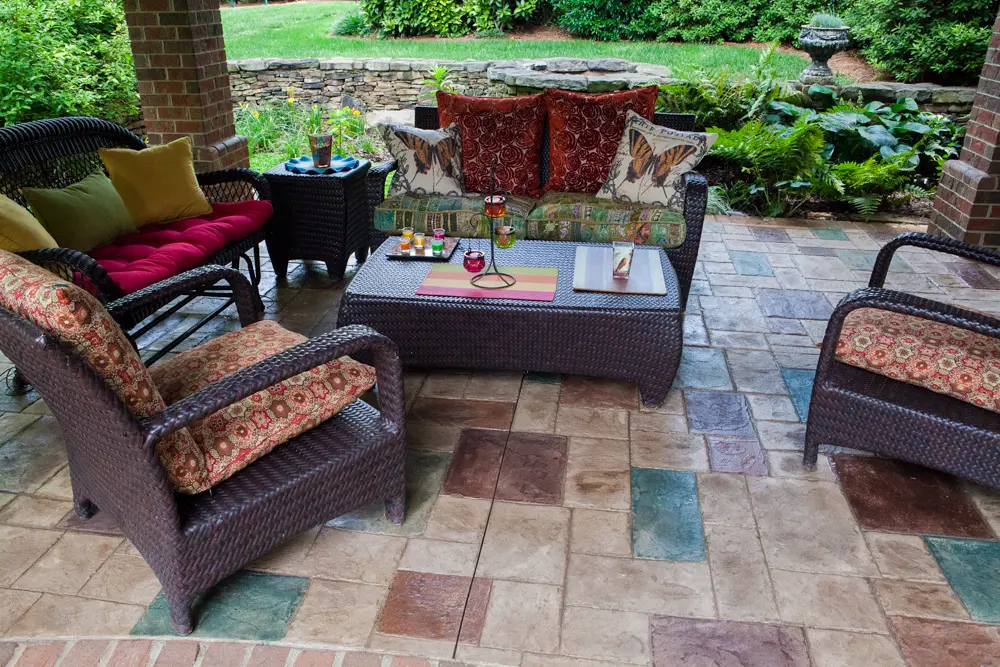
• Ideas for Adding Plants to Your Decorative Concrete Project

    Ready to bring a little life to your hardscape? Incorporating plants into outdoor spaces that feature decorative concrete can add vibrant appeal. Depending on the project, there are a variety of ways in which adding plants can bring a splash of color, natural textures, and dynamic contrast to a home’s exterior. However, it’s important to be thoughtful and deliberate when adding plants so you can maximize their natural effects and ensure they’ll thrive in their environment.

    Read on to discover the basics of integrating plants with concrete, design principles to consider, methods of making concrete look more natural, maintenance tips for your project, and some tips for getting your project started.
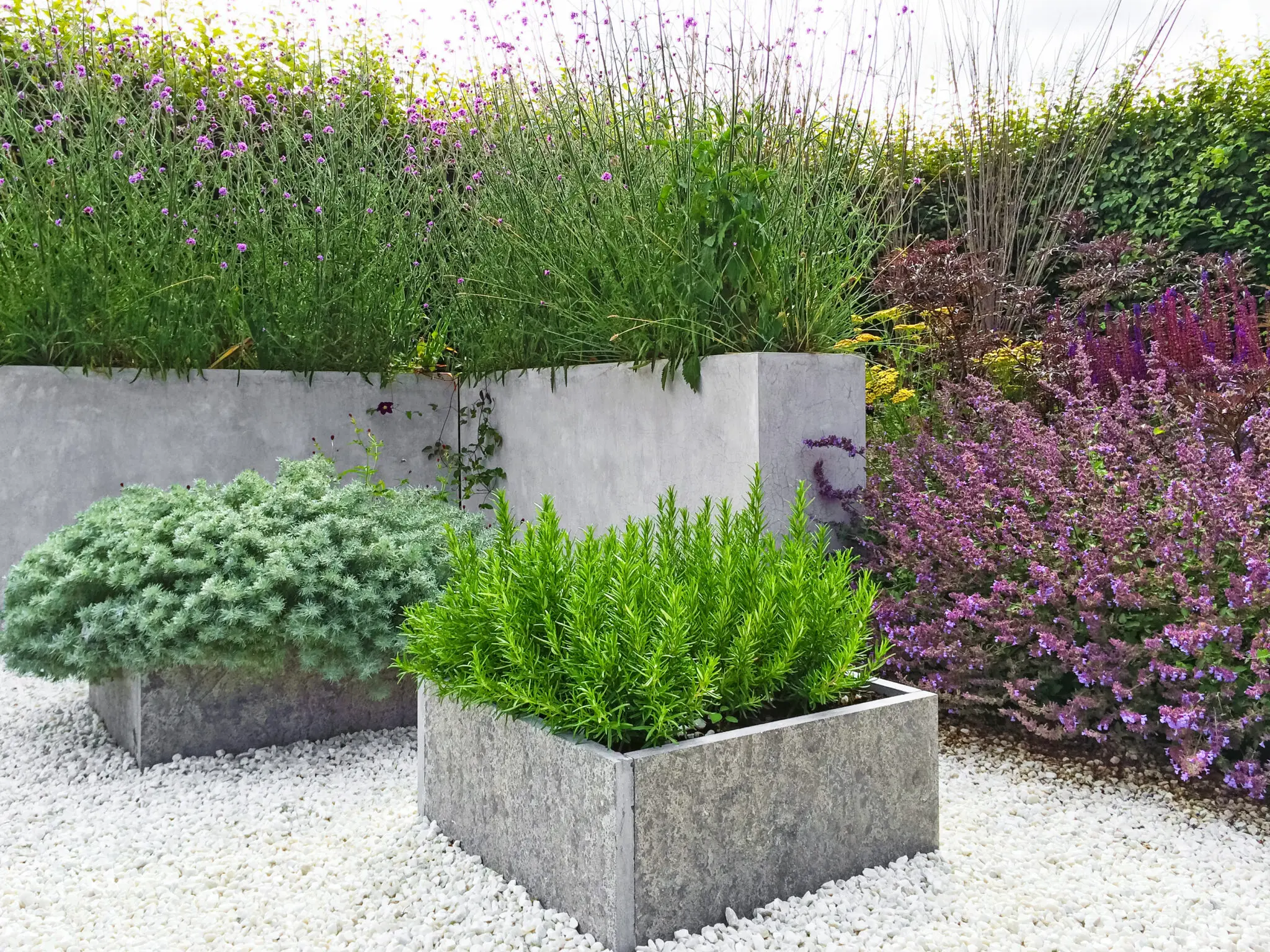
    Beautiful garden with concrete planters.

    Design strategies for integrating plants with decorative concrete

    While there are plenty of ways to incorporate plants with concrete, sticking to simple methods that require little upkeep is the best place to start.

    Although some concepts should be considered before concrete is laid, adding plants to existing concrete spaces is possible. We recommend researching which plants do best in your environment and whether they can thrive in your design. With just a little planning, you can save time and money down the road.

    Vertical gardening

    If you have limited space to work with or want to use a large variety of plants, a vertical garden on a concrete wall is a great option. This approach maximizes garden space and adds a lush green backdrop that enhances the aesthetic appeal of stark concrete surfaces. Techniques such as installing modular planters, using trellises, or incorporating felt planting systems can transform plain walls into vibrant living art pieces. Vertical gardens can then be complimented with wall fountains or concrete stamps that feature organic material.

    Built-in planters

    Integrating built-in planters into concrete structures such as patios, stairs, and walls is a sleek way to infuse greenery while maintaining a modern design aesthetic. These planters can be designed to fit into the features so they blend well while providing growing spaces. For example, embedding planters along the edges of concrete patios or using the risers of staircases for small herb or flower gardens can save space and add a unique element of nature. Built-in planters can also help manage drainage and protect structural integrity by controlling where water accumulates and flows.

    Between steps and along walkways

    Incorporating walkable plants between paver stones enhances the aesthetic appeal of walkways by introducing a burst of nature into hard landscaped areas. Plants like creeping thyme, moss, and sedum are popular for their resilience to foot traffic and ability to thrive in limited soil space. These plants soften the rigid lines of pavers, adding a lush, green element that can also reduce heat reflected off the stones while deterring weeds from growing. Such plants are also excellent for lining always or other concrete areas that may experience foot traffic.

    Design principles for integrating concrete and plants

    Not all design concepts need to involve plating plants into concrete structures. Simply adding plants around concrete surfaces can create plenty of aesthetic appeal.

    Mixing concrete and plants in your garden is all about finding the right balance and adding a splash of contrast to spice things up. Think of it like a dance between the heavy, steadfast nature of concrete and the soft, whimsical qualities of plants. You can achieve balance by placing lighter, airy plants like ornamental grasses or delicate ferns beside your sturdy concrete elements. This approach softens the hard edges and heavy concrete feel, creating a well-thought-out and harmonious garden.

    For a bit of contrast, try pairing bold, vibrant plants against the neutral concrete backdrop. Imagine bright green hostas or colorful annuals popping against a sleek gray concrete walkway. It’s all about making those plants stand out and giving your eyes something exciting to latch onto. And don’t forget texture! Mixing smooth concrete with rough, chunky succulents or bushy shrubs adds a tactile dimension that makes a space come alive.

    Using shapes wisely can also elevate your garden’s design. Square concrete planters or rectangular stepping stones provide a crisp, structured look that contrasts wonderfully with the wild, free forms of plant life.

    Methods for making concrete look more natural

    While plain slate concrete can create appealing contrasts with plants, creating a more natural look with concrete provides a much more harmonious look and feel.

    Add color to your decorative concrete to mirror nature

    Concrete stain is an excellent tool for designers and homeowners looking to match or complement the natural surroundings. Unlike paints, stains penetrate the concrete surface, offering more durable and permanent coloration that doesn’t wear off over time. Concrete colors come in various earth tones and vibrant colors and can be applied in different ways, allowing for complete customization.

    You can choose shades that mimic the dark browns of soil, the sandy tans of beaches, or the subtle grays of natural stone. These stains can be applied uniformly for a consistent color across the surface or varied to create natural color fluctuations that you would see in stone or wood. This variability can be enhanced by applying different colors in layers, achieving a depth of color that resembles natural materials more closely.

    Patterns: stamping and shaping concrete with natural textures

    Patterns in concrete can be applied through stamping, a technique where mats or stamps embossed with specific textures are pressed into the concrete before it fully sets. These stamps are often shaped like natural materials such as stone, brick, or wood, giving the hardened concrete the appearance of these textures.

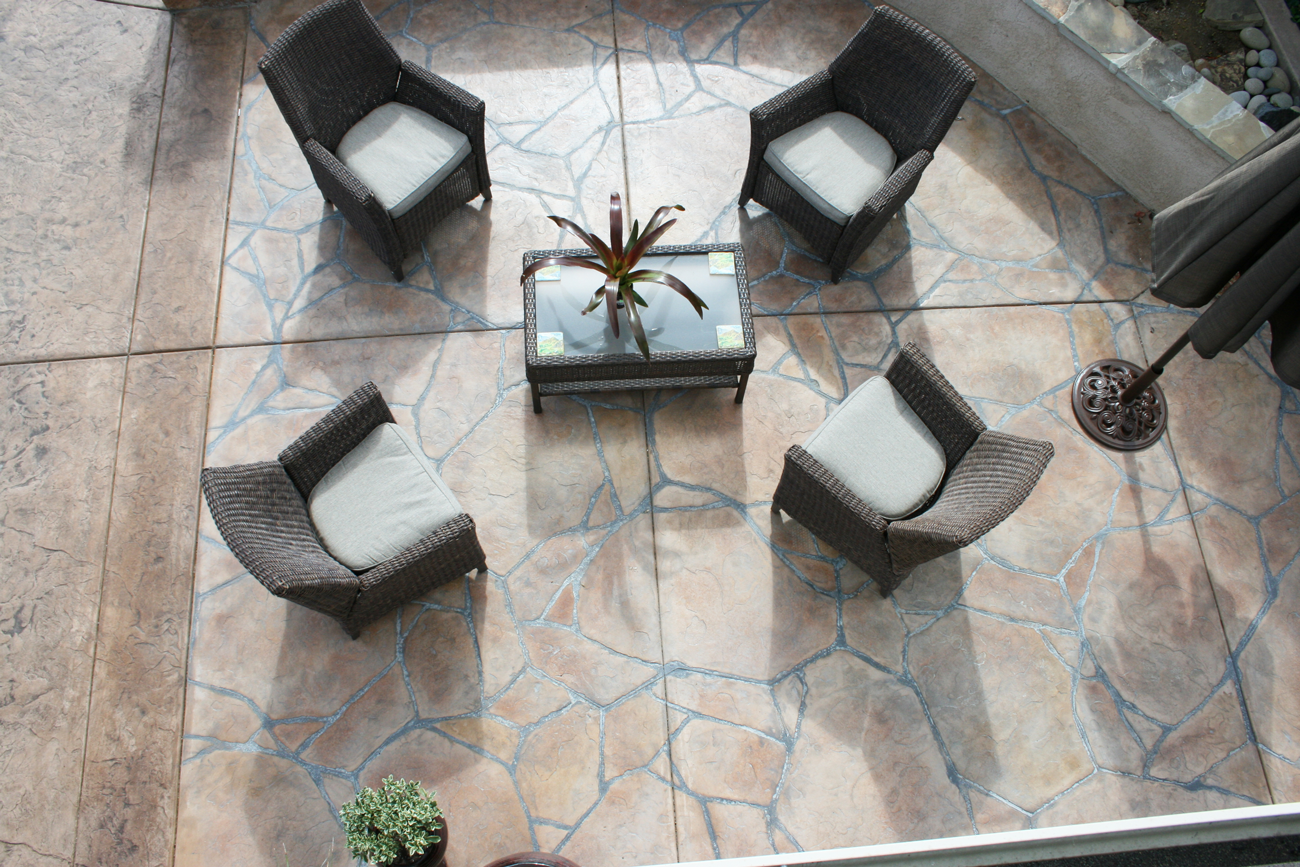
    Stamped concrete can provide natural appearances to patios, walkways, and more to create a natural look that will make your plants look more at home. Edge details, varying shapes, and sizes of the ‘stones’ or ‘planks’ can all contribute to a more realistic appearance. Some stamps can even mimic trees and other natural features that can be used as planters or focal points in your design.

    Maintenance tips for concrete and plant integrations

    To avoid constant maintenance or unnecessary repair costs, carefully consider which plants you want to include and have a maintenance plan for your concrete surfaces.

    Best practices for maintaining the health of plants near concrete

    When plating in and around concrete, it’s important to ensure that the health of the plants is not affected by their hard surroundings. Concrete can alter soil pH, making it more alkaline, which may affect plant growth. To avoid this, use a garden soil and mulch buffer between the concrete and the plants. This can help maintain soil neutrality and retain moisture, providing a healthier environment for plant roots.

    Above all, proper drainage is crucial. Planting areas near concrete should have enough drainage to prevent water from pooling, which can lead to root rot and other moisture-related diseases. Raised beds or well-draining pots can be effective, especially in flat concrete areas like patios or driveways.

    It’s also essential to choose plants that are robust enough to thrive next to concrete, such as those that can tolerate a higher pH and more intense heat during sunny days, as concrete can radiate heat. Adjusting watering schedules based on the increased heat and potential for faster soil drying is key to keeping these plants healthy.

    How to care for features to prolong their life and appearance

    Concrete, while durable, requires proper care to maintain its aesthetic and structural integrity over time. Regular cleaning removes dirt and debris and prevents staining and moisture retention. For cleaning, use a pressure washer or a hose with a suitable cleaner that does not damage the concrete.

    Sealing concrete every few years is crucial to protect its surface from weathering, staining, and cracking. Sealants not only preserve the look of the concrete but also enhance its color and protect against water penetration, which can lead to freeze-thaw damage in colder climates.

    Check the integrity of joint sealants and reapply them as necessary to ensure that the joints between concrete slabs remain well protected from water and plant roots, which can cause heaving and cracking.

    How to plan your outdoor plant and concrete project

    If you need ideas for your project, check out our Idea Gallery and Pinterest page, which include plenty of images to get your creativity flowing. You can make progress toward shaping your space by asking your local nursery which plants grow well in concrete or near hot surfaces.

    If you want to make the most of your project, our concrete stamps, stains, and sealers will help you create the perfect blend of natural concrete concepts with whichever plants you choose. When you’re ready to get started, call 800-221-9469 or reach out to our team of experts, and we’ll be happy to help make your outdoor sanctuary dreams come true.
  • Tips for Elevating Your Concrete Stairway Design Game

    Are you looking to elevate the design of your concrete stairway? Crafting a concrete staircase goes beyond simply providing functionality; it can transform your space into an inviting pathway. Read on for tips on proper planning, stairway safety, improving our design, and materials to ensure longevity.

    How to plan your concrete stairway design

    The first step to creating the perfect concrete staircase is to lay the groundwork with careful and intentional planning. Consider your users, frequency of use, and any unique spatial considerations. You can ensure a smooth transition from concept to reality by mapping out your design in advance.

    Think about the flow of your space, how the stairway will fit into existing structures, and how it can complement elements such as lighting, landscaping, and other architectural features. While stairs provide needed accessibility, with the proper planning, they can contribute to your aesthetic and even act as a focal point.

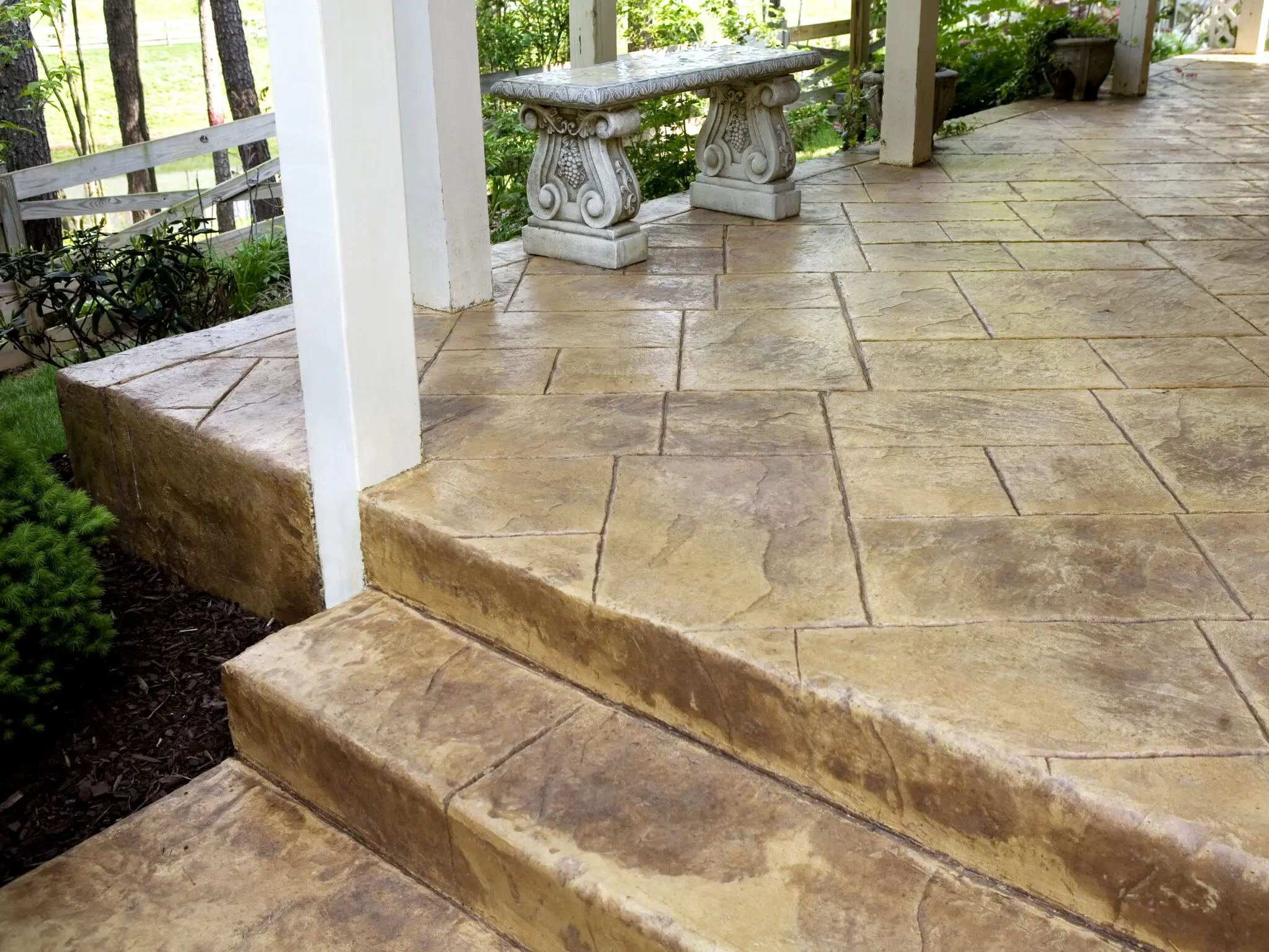
    stamped concrete steps and porch

    Create a safe stairway without compromising your vision

    When it comes to stairs, safety is non-negotiable. Ensure compliance with building codes, paying close attention to dimensions, slopes, and handrail specifications. Enhance safety further by incorporating non-slip treads and strategic lighting, offering functionality and peace of mind.

    Additionally, consider the visibility of each step. Properly placed lighting can enhance the safety of your stairway and elevate its visual appeal by highlighting the unique textures and colors of the concrete.

    Elevate your design with concrete tools and finishes

    The material and finish you choose for your concrete stairs can make all the difference. Concrete offers endless options, ranging from natural earth tones to bolder shades. Experiment with concrete’s versatility by exploring the spectrum of colors and textures. Use a variety of pigments to achieve your desired aesthetic, whether it’s modern minimalism or rustic charm.

    Consider decorative finishes like exposed aggregate or stamped patterns. Enhance the visual appeal of your stairway with decorative techniques that add texture, depth, and visual interest. Exposed aggregate surfaces reveal the natural beauty of stone, while stamped patterns mimic the appearance of brick, tile, or other materials for a customized touch.

    Don’t stop at concrete. Add character to your design by adding complementary materials such as wood or metal accents. Mix and match materials to create contrast and visual intrigue, adding warmth and character to your stairway.

    Stairs built for life

    A well-built stairway is an investment in longevity. Select durable materials and construction methods capable of withstanding the rigors of daily use and the elements. By investing in quality upfront, you’ll ensure your stairway remains a steadfast feature of your space for years. This preventative maintenance is vital to preserving your stairway’s function and beauty over time.

    To ensure you’re selecting materials that will stand the test of time, consider how well they fare in your given climate. Elements such as heat and humidity can affect materials in different ways. Also, think about how frequently the stairs will be used, which may impact your design’s ability to maintain its aesthetic.

    Ready to embark on your stairway design journey?

    If you’re ready to embark on your stairway design journey, contact our specialists at 800-221-9469. We can help you discuss your project and answer any questions you have. If you’re a homeowner and need to find a contractor in your area, we can help there, too!

  • Unveiling the Future: Decorative Concrete Trends for 2024

    The new year is a symbolic transition between the past and the future. Its significance varies from person to person, but in our industry, it’s an exciting time when we anticipate new influential trends and say farewell to the fads that have outworn their welcome.

    In the ever-evolving world of design, architecture, and construction, concrete redefines aesthetics for residential and commercial spaces. Although it’s been used as a building material for thousands of years, it remains at the forefront of emerging styles. It’s versatile and dynamic and offers broad indoor and outdoor possibilities.

    We’re anticipating great things in our industry this year! Read on below for our take on up-and-coming sustainable concrete solutions, innovative textures and finishes, technological advances, and exciting indoor and outdoor design trends for incorporating decorative concrete:

    Eco-friendly concrete solutions

    Sustainability is no longer just a buzzword; it’s a way of life. That’s why it should come as no surprise that eco-friendly concrete solutions are rising in popularity. While limestone is the predominant raw material for cement, manufacturers increasingly incorporate recycled materials, such as fly ash, slag cement, and silica fume, into their concrete mixes. Even crushed glass, recycled plastic, metal shavings, and marble chips can be added for artistic effect.

    Innovative texture and color

    Texture and finish are critical elements in decorative concrete, and in 2024, we expect an influx of ideas that go beyond the conventional. From intricate patterns inspired by nature to bold geometric designs, decorative concrete will continue elevating into an art form.

    Concrete patterns

    Paving patterns are already trending for interior design, and the same concepts are now making their way outside. It’s no surprise since concrete stamp patterns can transform any plain surface into a breathtaking element in any outdoor space.

    Want a more natural look to your space? Wood-textured concrete stamps give concrete a natural feel while maintaining the bold features of industrial design. This seamless blending of styles is gaining popularity thanks to the biophilic design movement.

    Color considerations

    Concrete doesn’t have to be gray! While neutral colors are trendy and often found in industrial design, many options are available to add depth to any commercial or residential project. Proline offers a wide range of integral and topical coloring products that feature only the highest quality, UV-stable pigments to guarantee striking, long-lasting color. If you want to add colorful accent features or pursue a bolder palette, go for it!

    Smart and responsive concrete

    As technology continues to infiltrate every aspect of our lives, it’s no surprise that it’s also making its mark on the world of decorative concrete. Smart concrete, embedded with sensors and responsive to external stimuli, is set to revolutionize how we interact with our surroundings. Imagine a driveway that heats up to melt snow or a patio that changes color with the touch of a button! Another innovation in development is self-repairing concrete that can heal cracks and other damage on its own. The possibilities are inspiring.

    Create something you love

    While trends and other design concepts can help you find inspiration for your outdoor space, what matters most is that you enjoy it. It’s your space, after all! Being confident in your decisions and doing adequate research on contractors or landscapers, if needed, will help ensure you have a space you will love for years to come.

    Calico Construction Products can help

    Whether you want the trendiest yard in the neighborhood, the most fantastic office entry, or just a tiny improvement from what you have now, we’re here to help! If you’re looking for suitable decorative concrete materials to transform a space, contact our experts to get the perfect products for the job.

  • Warm Up Your Outdoor Space: Exploring Patio Heating Options

    Enjoying Outdoor Space Year-Round

    Colder weather doesn’t mean that you can’t still enjoy your outdoor spaces. Finding the right heating source for your patio or yard can help you enjoy time outside year-round. With the wide range of outdoor heating sources available, it can be difficult to determine what will work best for your space. Whether your space is big or small, this will help you find the perfect solution to keeping the cold weather from putting a damper on your outdoor fun.

    Types of Patio Heating Options

    The first step in determining what type of heater you need is to know what choices are available. Options can vary greatly in size, cost, heating power, and aesthetic.

    Outdoor Fireplaces

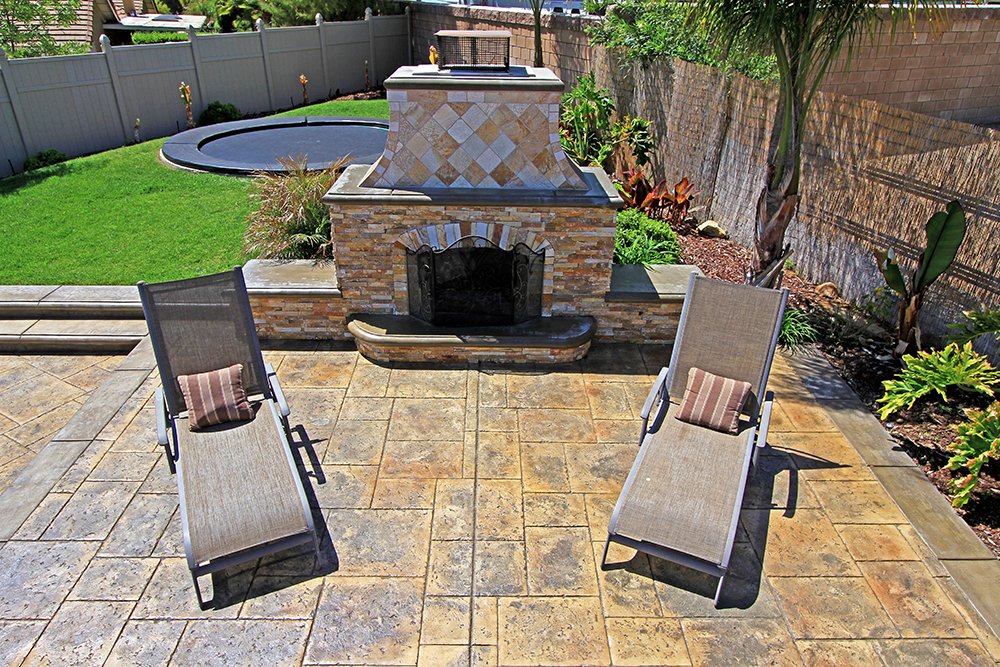
    Most likely the most eye-catching and aesthetically pleasing option is an outdoor fireplace or permanent fire pit. Not only can these be used as a way to improve the look of your outdoor space, they create a cozy living room like atmosphere that can’t be replicated with other heating options. In addition, they can help give a sense of permanence to your space, and won’t require you to store them elsewhere during the warmer months.

    No matter if you build it yourself or have one built for you, they can be made with a variety of materials, such as metal, stone, brick, or concrete, which can be further customized with a variety of colors and stamps. You can also choose to fuel it with wood or gas.

    Portable Fire Pits

    A great option if you are looking to move your heating source around or take it places away from your house are portable fire pits. Due to their low cost and easy portability, these have become a popular option. Many of these use fire, but there has been an increase in gas options. While portable fire pits may not be as aesthetically appealing as their permanent cousins, their look can be easily improved with a concrete edge liner or form liner.

    Propane Patio Heaters

    A common choice for restaurants or commercial areas, propane patio heaters can be used during the colder seasons and stored once the weather warms up. Possibly the most convenient of the heating options, they can be easily moved around to fit your space, but they are often less weatherproof and aesthetically appealing than the alternatives. Since these use propane, you will need to make sure you have a refill on hand for when they run out. They also may not last as long as the previous options on this list.

    Electric Heaters

    If you are looking to heat a small space or don’t like the idea of flames, electric heat lamps may be the best option. Like propane patio heaters, these can be easily ported around your space and stored when not needed. However, if you are wanting to provide enough heat for more than a person or two, you may find that these lack the required heating power. Like propane patio heaters, they aren’t very weatherproof and likely won’t last as long as fire pits and fireplaces.

    Choosing the Right Option for Your Space

    When considering what heating source is right for your space, there are a few things to consider. First being what kind of fuel you want to use. If you don’t like the idea of flames, then you will want to go with an electric option, but otherwise you can decide between gas or wood. Fire pits and fireplaces can be fueled with either option, and if you want a permanent installation you can even elect to use natural gas instead of propane if your residence is equipped to do so.

    The next thing to consider is the size of your space. Other than electric, any option should be capable of heating a large space, but the size and power of the heating source will dictate how far away someone can be and still feel comfortable. Before selecting a heating source it’s important to take measurements of your space and read any specifications on a heating source to make sure your whole space will be heated.

    Get started today

    As the weather continues to get colder, now is the time to begin heating your outdoor space. No matter what solution you choose, we are here to help with a variety of products that can transform your space or make your new fireplace or fire pit one-of-a-kind.

    Want some inspiration before you begin your search? Check out our Pinterest board for ideas on how to make your space a haven during the cold months.

  • 5 Inspiring Ways to Transform Your Backyard with Stamped Concrete

    Looking to renovate your backyard and give it a fresh new look? Consider the incredible transformative powers of decorative concrete. As we’ve seen time and time again, concrete is no longer a cold, gray material suitable for nothing more than roads. Concrete is highly customizable, capable of providing nearly limitless looks and styles. Read on for our top tips for transforming backyards with versatile, beautiful concrete!

    Add a concrete patio

    A concrete patio is often the foundation for a fantastic new backyard. From serving as a gathering space, a dining area, or a place to read, a patio is functional and beautiful, thanks to stamped concrete’s limitless customization options. Concrete is the perfect material for a patio since it can be stamped to look like nearly any natural material, such as wood, brick, tile, and stone. With tinting options, concrete can look beautifully realistic to match the stamp used or you can up the ante and use bright, bold colors.

    Create a backyard fire pit

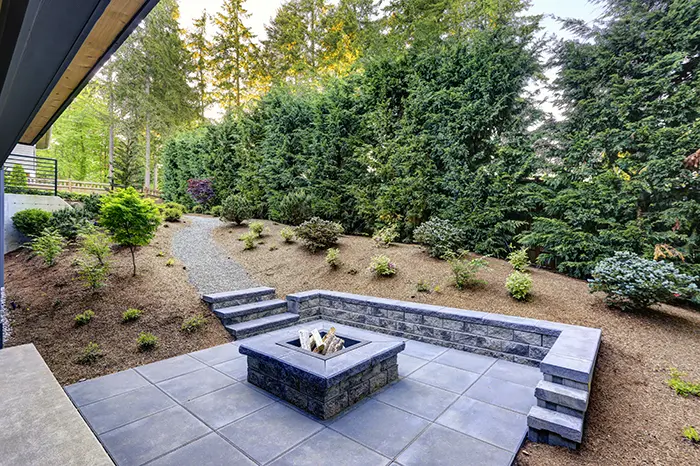
    Fire pits are a perpetually popular backyard feature. Whether warm summer evenings or cold winter nights, fire pits are a great way to get the family outside and away from screens or to catch up with friends over a drink. Proline form and edge liners are an easy way to craft a durable, attractive fire pit.

    Install a kitchen area

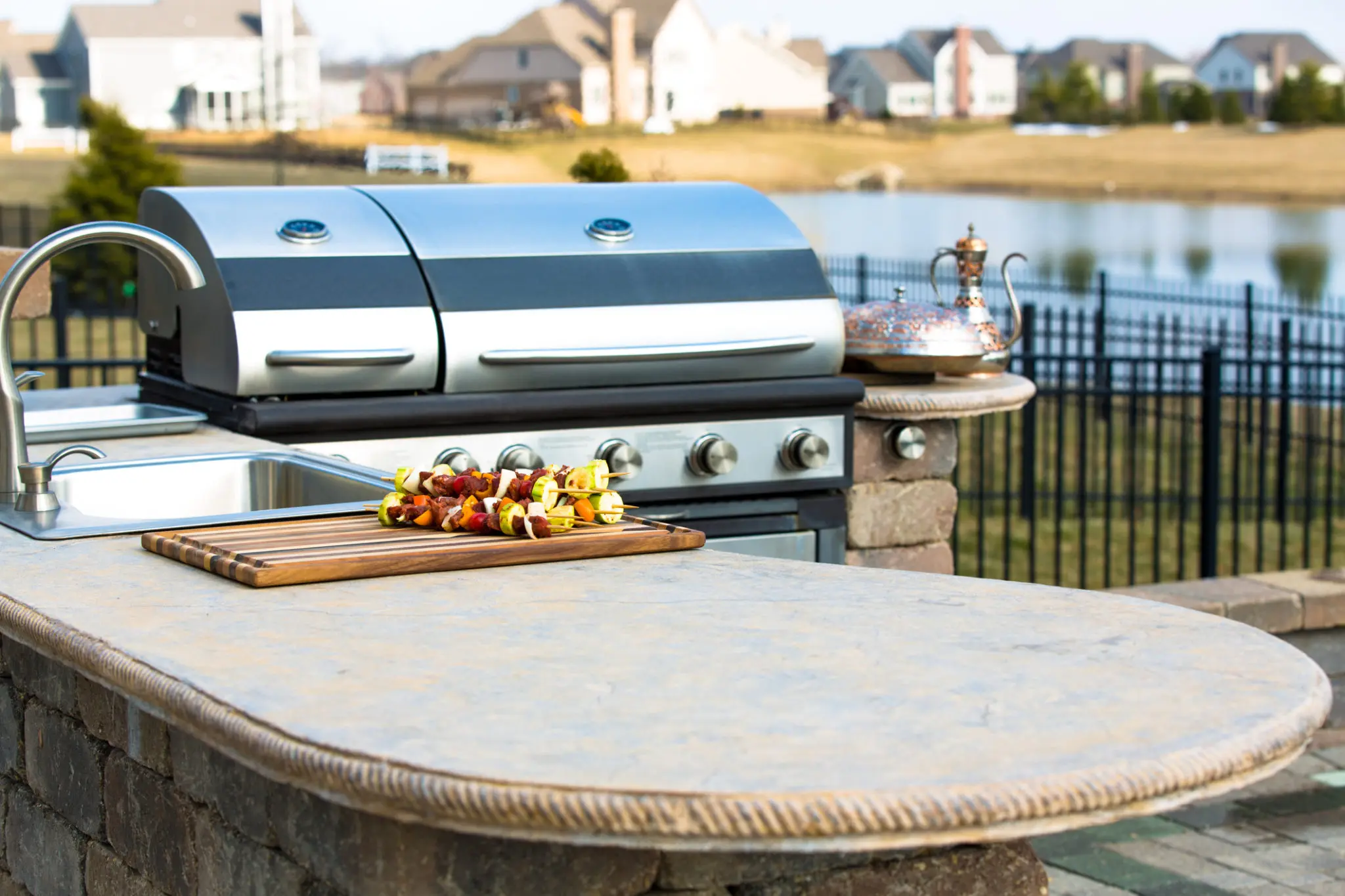
    If you’re a big griller, then consider upgrading your grill area by installing an outdoor kitchen. Adding concrete countertops makes food prep a breeze and you’ll love the customization options, from integrated lighting and cutting boards to polishes, embedded accents, and stains. Thanks to concrete stamps, a counter can mimic most natural materials and complement any style of patio and home. Additions like a mini fridge, wine cabinet, flat top griddle, trash bins, and cupboards are a fantastic way to keep entertaining streamlined and enjoyable. Consider covering part of the kitchen so diners can be protected from the elements and ample lighting options for evening parties.

    Incorporate a water feature

    The sound of moving water is so relaxing. It’s the perfect addition to help turn your yard into your own private oasis. Proline’s elegant Ledger Stone Wall Fountain Mold is one turnkey option, while a variety of form and edge liners let you design your own creation. Enjoy your morning coffee with the peaceful sound of water.

    Build a garden path

    Nothing is as enchanting as a garden path! Bring whimsy and magic to your yard by building a path that meanders through your yard. Have a small yard? No worries! Even a short path leading from a patio to a raised bed can be useful and adorable. Decorative concrete walkways can seamlessly coordinate with the look and feel of your patio, whether modern, rustic, or minimalist. Add accents and edging to create an intentional piece that elevates the space.

    Why concrete?

    Concrete is functional yet aesthetically pleasing, a combination that isn’t often seen. Don’t settle for a material that either won’t meet your needs or doesn’t have the look you’re going for. Concrete can do both!

    Functional advantages:

    Concrete is obviously strong. It’s used to make roads, after all! Concrete is also very durable. It can withstand above average wear-and-tear, and when properly maintained, can last over 30 years. While concrete does need to be sealed periodically, it requires little else in the way of maintenance. Simple sweeping and cleaning when it gets dirty is generally enough to keep it looking great.

    Decorative advantages:

    Concrete has the ability to look as elaborate as one wishes. Stamp options, which include brick, wood planks, stone, slate, and more, mean that practically any design needs can be met. Color is another major advantage of concrete. Products like acid stain, color hardener, antiquing washing, and acrylic stain provide endless color options.

    Small touches can make a big impact. Border art and decorative accents create a cohesive look while animal and plant stamps can provide a personalized touch. Statement pieces like a compass rose stamp or a gorgeous medallion create show-stopping spaces.

    Tip: Don’t forget the edging. When designing your new backyard, don’t forget to incorporate edging to define spaces and keep grass from spreading. Concrete edging, which is durable and easy to clean, provides a clean look.

    Get started today

    Contact Calico today at 800-221-9469 to get all the tools and advance you need to get started on your backyard projects. Our concrete experts love to talk through any problems or questions you have. If you’re ready to get shopping, browse our selection of concrete stamps, form and edge liners, colors, and sealers.

  • Concrete is the Perfect Material to Create a Stunning Outdoor Kitchen

    When you’re creating an outdoor kitchen, there’s a lot to contend with — high cooking temperatures, weather considerations, design options, and much more. Luckily, there’s one material that checks all the boxes: concrete! Read on to learn why concrete is a fantastic option for show-stopping outdoor kitchens.

    Why should you install an outdoor kitchen?

    In recent years, the concept of creating outdoor living areas has exploded in popularity. So much more than a simple porch, homeowners are increasingly looking to use their outdoor spaces for year-round entertaining, cooking, and simple enjoyment. This is where an outdoor kitchen comes into play, as it’s often seen as a focal point for the entire home. It can be used for casual cook-outs, fancy parties, neighborhood entertaining, and, of course, easy family meals.

    Concrete outdoor kitchens are modern, durable, and customizable

    Concrete is the best material to use in an outdoor kitchen, thanks to its impressive qualities. Outdoor kitchens need to hold up to high cooking temperatures, sun, snow, and more. Concrete is not only durable but it’ll last for decades with minimal maintenance.

    Even better? Concrete provides a plethora of customization and flexibility. Concrete can be used throughout an outdoor kitchen, from the concrete floors to furniture to countertops to sinks! Let’s take a look at these elements in more detail:

    Concrete patios:

    A concrete patio can last 30 years if properly poured, sealed, and maintained. That’s a long life! By applying a sealer once every two years and giving it a good scrub every year, your concrete patio will look fantastic for years.

    Concrete furniture:

    It sounds surprising but concrete furniture is a great option for outdoor use. Majorly durable, this furniture is also perfect for those with allergies, as concrete doesn’t have issues with dust mites or mildew.

    Concrete sinks:

    Concrete is an excellent choice when you need unconventional dimensions for your sink or you want it integrated with the counter. In an outdoor kitchen, a small bar sink is a useful feature for your guests.

    Concrete countertops:

    We saved our favorite for last! Concrete countertops are incredible and can match any design due to the stamps and tinting options available (more on this below). They can be a work of art if the surface is polished or embedded with materials like glass. Easily cast trivets or cutting boards into the counter to further enhance its functionality. Since concrete is so strong, countertops can have overhangs or seamless sections. Lightweight edge liners complete the look. Our selection of Proline products transfer texture to edges, corners, and risers. Both flexible and reusable, these liners are available in many natural textures.

    Decorative concrete

    Concrete’s decorative options are one of its top features. Stamps provide the look of materials such as brick, wood, stone, and tile, while tinting and coloring products create a beautifully cohesive look. When working with existing concrete, color packs for cementitious overlays or ProStain are great options. Proline Color Hardener and Integral color are perfect on new concrete. Accent the project using color products like Antique Powder Release, EZ-Tique Antiquing Wash, or acrylic stains.

    Design considerations

    When planning an outdoor kitchen, you want to up the ante because a simple grill sitting on a concrete pad won’t wow the neighbors! Design to impress by incorporating these factors into the plan.

    1. Protection from the elements:

    Think about sun, shade, rain, show, and wind. You’ll want an outdoor kitchen to be adequately protected from undesirable weather. Make sure the area will be comfortable not only during the summer, but during the off-season too. Incorporate awnings, trellises, and built-in umbrellas so homeowners can use the kitchen when it’s hot, raining, and maybe even snowing. Don’t forget to take advantage of natural shade provided by trees and vines to help cool off. Lastly, take the wind into account when deciding where the grill will go so smoke won’t blow into your dining area or into the neighbor’s windows.

    2. Size:

    To ensure the area is used often, it has to meet the needs of the homeowners and accommodate their most typical gatherings. Ask about the entertaining needs of the family, such as how many people they might entertain, how big their families are, what kind of parties they host, and if they commonly use caterers.

    3. Location:

    When situating the kitchen, ensure it’s placed in the best location. Take natural shade into account (see above!), as well as proximity to the inside kitchen for max convenience. Consider the importance of accessibility, like minimizing steps or including ramps.

    4. Equipment:

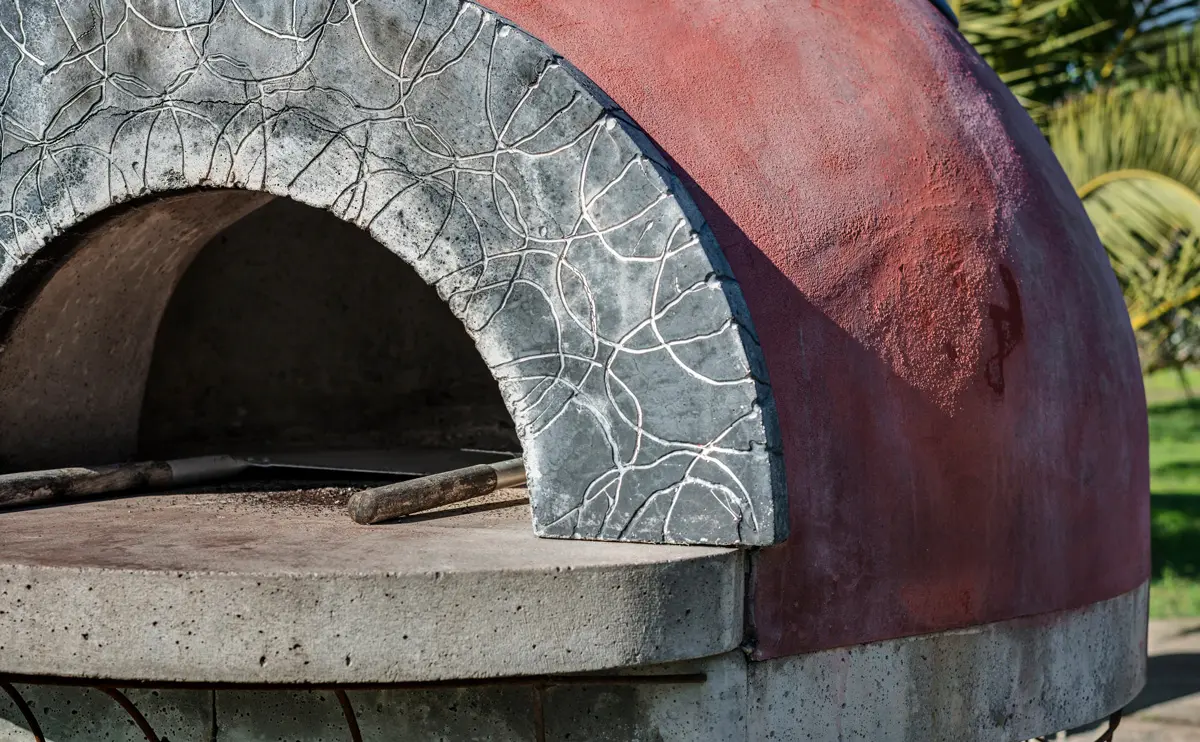
    Don’t settle for just a grill in an outdoor kitchen. Take into account the wide variety of options available, including outdoor refrigerators, bar sinks, side burners, and built-in storage. (We love pizza ovens, too!)

    Ready to get started?

    Contact our friendly experts today at 800-221-9469 if you need assistance. We’re here to answer your project and product questions! If you’re ready to get started on an outdoor kitchen, start shopping our selection of Proline concrete stamps. To learn more, read Tips to Create the Perfect Outdoor Living Space and Four Trends for Outdoor Kitchens.

  • Pool Deck Surface Options

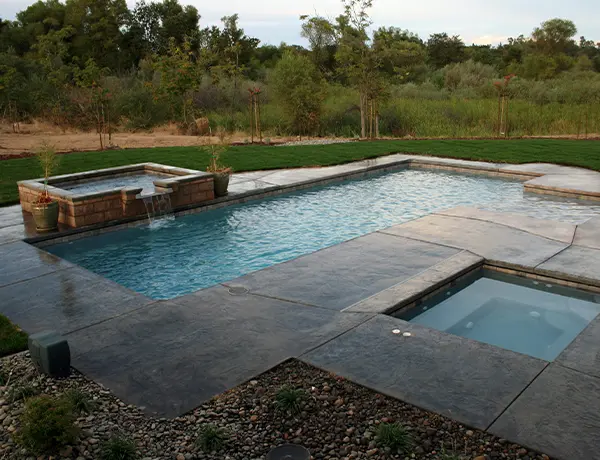
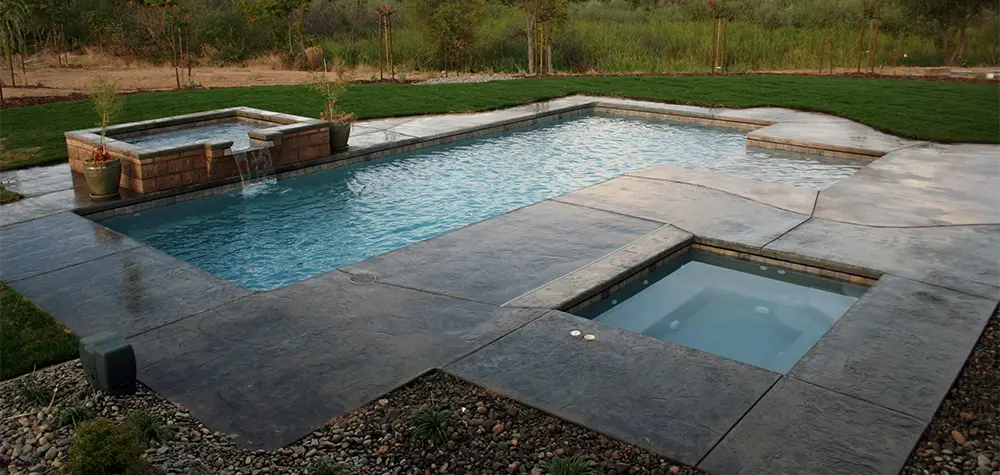
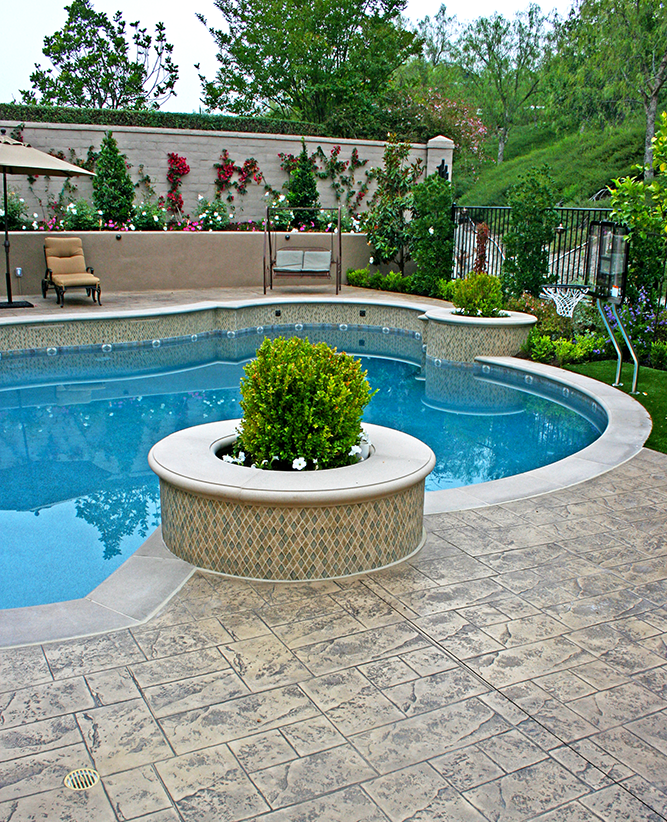
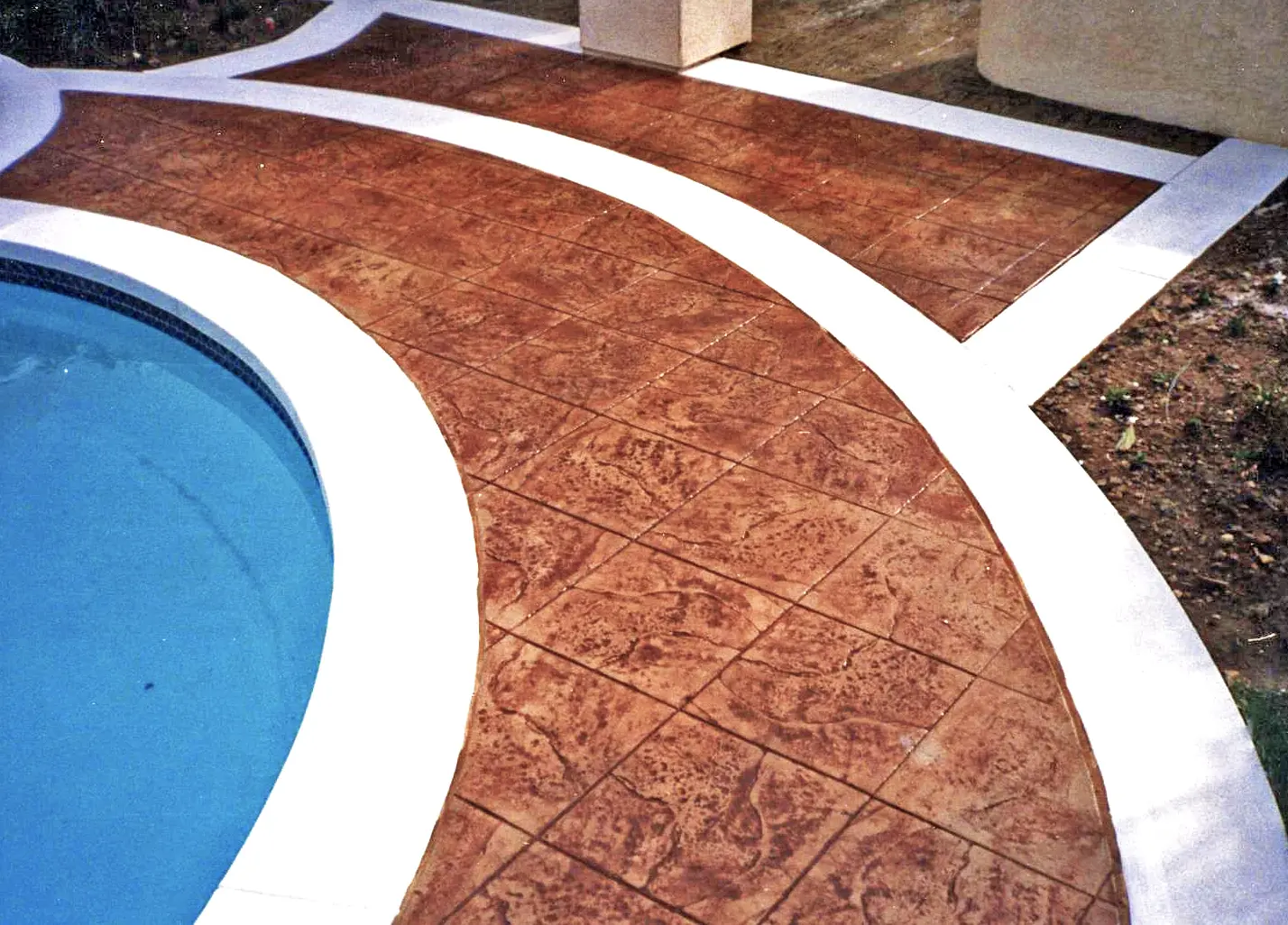
    When designing a pool area, there are so many benefits to incorporating a concrete pool deck. Homeowners may initially think of drab motel pools but have no fear! There are nearly countless options that are beautiful and functional. Let’s take a deep dive into the many opportunities of concrete pool decks.

    Five benefits of a concrete pool deck

    #1: Durability: This is one of the biggest benefits of concrete. A concrete pool deck will look great for a long time, no matter what weather or chemicals it’s exposed to. Any colors or tints that are used will stay fresh and vibrant as long as the proper sealants are used.

    #2: Low maintenance: Cleaning a pool deck with a power washer (we usually recommend once a year) is easy to do since there are no grout lines or annoying gaps to manage.

    #3: Safety: By mixing a non-skid additive into the concrete, you can create a safe environment around any pool. This quick and easy step will be appreciated by any homeowner!

    #4: Affordability: For homeowners, concrete is usually less expensive than options like stone or tile. The labor is typically more affordable, too.

    #5: Customization: This is often considered the primary benefit of concrete – you can create nearly any look or style depending on the stamps and colors used. More on this below!

    Stamping options for pool decks

    Concrete stamps offer nearly unlimited patterns that beautifully create or compliment any desired look whether modern, rustic, industrial, or coastal, just to name a few. With patterns including slate, flagstone, brick, and reclaimed wood, a concrete pool deck can replicate so many natural materials.

    Here are three of our top faves for pool decks (but make sure to check out our full concrete stamp collection!):

    Wood stamps: Get the look of wood without cutting down any trees. These “wood” planks won’t get damaged by moisture or chemicals and they won’t give anyone slivers.

    Slate stamps: Evoke the Mediterranean with timeless slate tiles courtesy of concrete stamps! These tiles won’t chip or crack though, since they have the incredible durability of concrete.

    Random stone stamps: Get the natural beauty of stone with the customization of concrete! Choose from a variety of styles, including sandstone, garden stone, and flagstone.

    At Calico, we carry high-quality products by Proline:

    Seamless Magnetic Pattern Concrete Stamps: These incredible tools make decorative concrete stamping a breeze! The stamps’ magnets link up to  align the grout lines with ease, without any joint touchup or squeeze out. There are no repeat patterns — users just rotate and lock in place. Plus, thanks to their lighter weight, there is less user fatigue and more coverage. Read Proline Magnetic Skins Are a Game Changer!

    Super Skins: These stamps are basically indestructible thanks to a limited lifetime warranty and fiber reinforced composite constructive. They’re twice as stiff as traditional skins yet half the weight. Learn more about Super Skins!

    Color options for pool decks

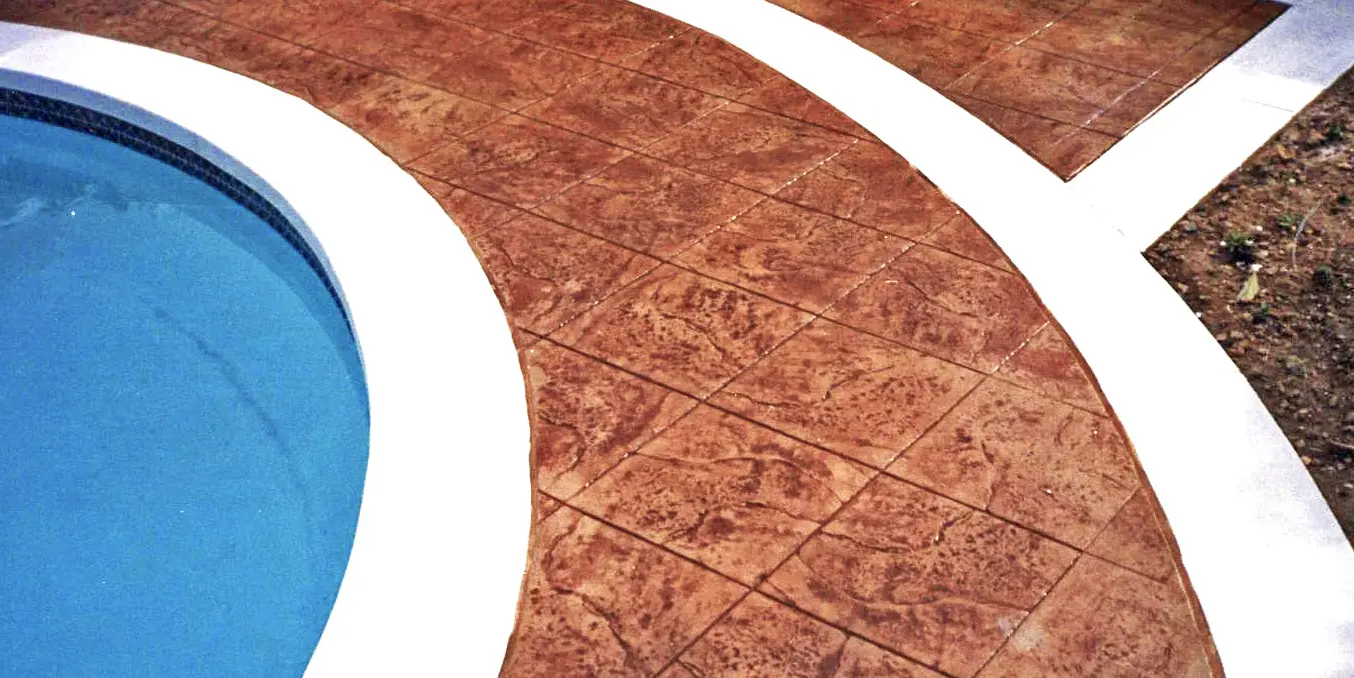
    No gray concrete here! Look to our wide selection of color options to turn a simple pool deck into a work of art. With our concrete color products by Proline and Smith’s, such as water-based acrylic stains, color hardener, antiquing wash, integral color, and more, you’ll achieve a beautiful look that the homeowners will love for years to come. We see a lot of gorgeous browns and grays, which coordinate well with many homes. Light colors are popular too, since they stay cool and help to achieve a modern, minimalist look.

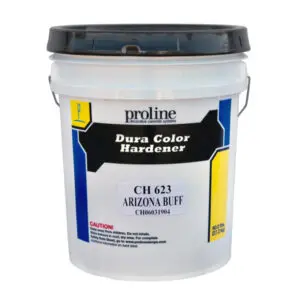
    Use Proline Color Hardener or Integral Color for creating base color on new concrete and ProStain to freshen existing concrete. For accent colors, consider products such as water-based acrylic stain, EZ-Tique Antiquing Wash, and Antique Release.

    Learn more about the differences between color products and read our FAQ Stamped Concrete Coloring Options.

    Don’t forget the accents and sealer

    The addition of edging, borders, and decorative accents will customize a pool deck and make it unique. Animal track stamps, accent pieces, and medallions can be used to add a special flair and create a cohesive look for the project.

    Sealers are always important and pool decks are no different. Sealers will preserve the concrete and make it a breeze to clean. Plus, these products can help maintain and even intensify the colors.

    A note on safety:

    Safety is so important and it’s required by insurance and building codes. If you’re installing a new pool, be sure to follow the recommended guidelines for your area, whether they include installing a locked gate, adding a pool cover, or using sensors or an alarm system.

    Contact Calico Construction Products

    Need some help? Contact us today at 800-221-9469 for assistance. Our concrete pros are always happy to talk through any problems or questions you might have. If you’re ready to get shopping, shop our selection of concrete stamps, form and edge lines, colors, and sealers. Be sure to follow us on Facebook, Instagram, and Pinterest to learn about our latest product launches and read the latest tips and tricks.

  • The Difference Between Color Hardener, Integral Color, & Antique Release

    Contractors often have strong feelings when it comes to color hardener, integral color, and antique release. While the project may dictate the product to a certain degree, often it’s our own preference that drives the decision. But are you really using the best product for the job? And how can you best explain the use of these items to homeowners? Let’s take a deep dive into the differences and pros / cons of each!

    All about color hardener

    Color hardener, strengthens the slab surface by making it denser, is broadcast on top of wet concrete and then troweled in is broadcast on top of wet concrete and then troweled in. Affecting only the top surface layer, it provides the first coat of color. This popular coloring technique provides an intense color.

    Pros:

    • Since color hardeners increase concrete’s strength, they’re great for use in climates subject to freeze-thaw cycles or for floors with high foot traffic.
    • Use when you want vivid color.

    Cons:

    • This product is manually applied so it’s more labor intensive to use.
    • Since the color is only incorporated into the top layer, if the concrete gets chipped, it’ll be a process to color match.
    • Care should be taken to protect the areas around where the product is applied to avoid stains.

    All about integral color

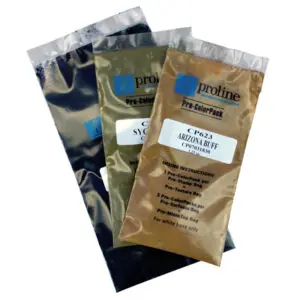
    Integral color is directly mixed into wet concrete so the color is already incorporated when it’s poured out of the truck. Our Proline Powdered Integral Colors can be used in ready mix, cast-in-place, architectural pre-cast, and much more. Make sure the product, which is packaged in 25-pound bags, isn’t sprinkled onto the surface since it’s designed for mix-in only. We also offer color packs. 1 bag of the color pack can be added to 1 bag of concrete for smaller projects.

    Pros:

    • If the concrete is chipped, you don’t need to try to color match since the concrete is colored throughout.
    • Mixed into wet concrete so easy to use.
    • Good option for difficult projects, like when there are vertical surfaces.

    Cons:

    • The product is usually done at a plant so contractors don’t have as much control.
    • The resulting color may not be as consistent due to the makeup of the concrete.

    All about antique release

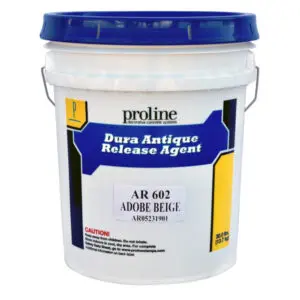
    This powdered color (available in over 40 colors) is broadcast over the concrete and then stamped. It adds depth to a concrete pattern as it’s generally a darker color than the base color. After the concrete has cured, the antique release is removed by brushing and rinsing. Remove more or less of the product to achieve the desired effect.

    Pros:

    • One product adds color while serving as a release agent.

    Cons:

    • Applied by hand or brush so more labor intensive.
    • The timing is tricky – start stamping as soon as the product is applied but don’t get too far ahead of the stamping.

    Contact the pros at Calico Construction Products

    All three products can be used as color for any stamp products. It all depends on what the contractor prefers and the preferred outcome of the concrete project. Need some help weighing the pros and cons? Contact us today at 800-221-9469 and we’ll help you figure it out! Don’t forget to check out our FAQs and blog posts for more information.

  • The Many Benefits of Applying Epoxy to Your Garage Floor

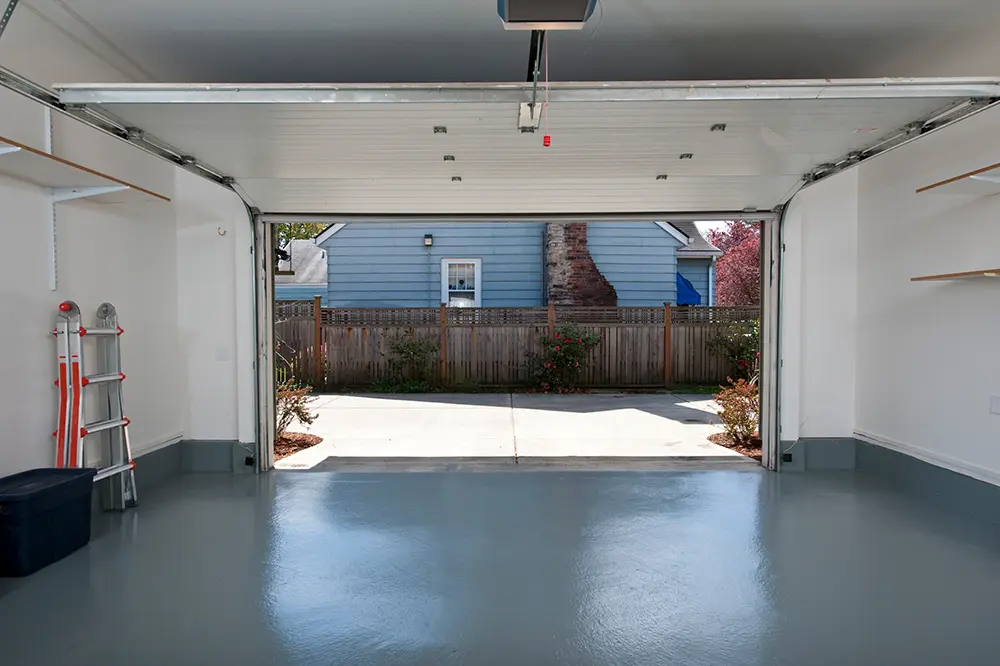
    There was a time when a garage served mainly as a dark, dirty space for parking and stowing away extra storage and trash bins. These days, the garage is a source of pride for many homeowners and an extension of their living space. Installing an epoxy floor can be the perfect finishing touch for those ready to take it to the next level.

    What is floor epoxy, and is it worth the investment?

    Epoxy is a thermosetting floor system made of resin and hardener. It’s a popular floor coating system used for residential and commercial purposes. The rugged and durable finish can transform your garage floor into something equally elegant and functional. In addition, epoxy flooring is exceptionally long-lasting, making it an excellent investment for industrial spaces, garages, basements, and more.

    Epoxy floor coating offers extra protection from harsh elements

    Your garage floor is exposed to water, oil, dirt, and more daily. With a car (or two) constantly coming in and out of it, there is a lot of wear and tear. The strength and durability of epoxy will help protect your floor from extensive damage and preserve it for the long term. On its own, it is very durable. However, we always recommend putting a sealer on top.  By sealing your flooring, you protect the epoxy and the floor from damage and scratching. Proline’s Poly HD sealer works great for epoxy flooring, which covers both the floor and the epoxy to offer protection from scratches.

    Brands like Proline offer different types of epoxy to fit your project needs. Exotic metal epoxy is a 100% solids, two component, epoxy formulation with high strength and is used specifically for metallic flooring. Not only does it create a unique and seamless floor, but it also has excellent impact resistance.

    What are the benefits of epoxy coating?

    Chemical resistant: Epoxy is resistant to a wide range of chemicals, including acids, fuels, and solvents.

    Heat resistant: One incredible benefit to epoxying your garage floor is that it can withstand high temperatures without losing its structural integrity. Making it ideal for use in environments with high temperatures.

    Impact resistant: Epoxy is a strong and durable material that can withstand impact and heavy traffic without cracking or chipping.

    Water resistant: Epoxy withstands exposure to moisture without breaking down. This makes it the perfect choice for outdoor and indoor environments where water is present, especially if your washing machine is in your garage.

    Epoxy coating is a safe and sanitary flooring option for your home

    Your health and safety are always number one, which is why an epoxy floor can be an intelligent choice. Not only is epoxy very easy to clean, but it’s non-porous and resistant to moisture, making it a nearly impossible environment for bacteria growth.

    With epoxy, you can be confident that it will consistently look crisp and clean, and you won’t have to worry about constantly cleaning it. However, it is vital to ensure that the epoxy is installed correctly and well-maintained to ensure its continued safety and sanitation.

    Adding epoxy to your floor is relatively simple with some knowledge and preparation

    Epoxying your garage requires far fewer materials than other types of flooring. Whether you are a professional or a DIY-er, you’ll have less stress about the difficulty of installing it with the proper tools and knowledge of the process. It can be installed relatively quickly, and its flexibility allows it to be added to your existing floor or used for entirely new flooring.

    Epoxy tends to set very fast in the heat and typically takes someone with experience to apply it. If applied to a pre-existing floor, you will need to remove the previous color and then go over it with acetone or alcohol to help clear the surface. If epoxy isn’t mixed correctly or spread too thin, the surface can become tacky and sticky.

    Proline Epoxy is a quick-setting, self-leveling epoxy

    In general, self-leveling epoxy is easy to apply because it self-levels and spreads out across the flooring surface. It quickly creates a single seamless surface across the floor. Self-Leveling Epoxy does have a few challenges, however, because it:

    • Requires you to pour the proper amount for the square footage.
    • Needs special tools — most people will use a prong squeegee to help with appropriate leveling, and a skilled contractor might use a flat squeegee instead.
    • Sets quickly, and there is not much working time when it’s hot.
    • When the epoxy isn’t mixed correctly, it will not set right.
    • Will pit and leave massive holes if the floor is not properly prepared and dusted in advance.
    • Requires a drill mixer and must be mixed for at least four minutes before pouring. Note: Metal epoxy plays by its own set of rules when it comes to preparing for application. Follow the directions carefully!

    Epoxy coating is customizable to suit any design preference and functional needs

    When it comes to appearance, epoxy goes above and beyond. You’ll get a shiny and smooth surface that will always be a pleasure to look at. You can customize the floor with your choice of color or pattern, giving it an added layer of personality. One option you can explore is the Proline exotic metal epoxy. It is designed to create elegant, beautiful, and unique seamless floors while offering high strength and excellent impact resistance.

    Add flare to a plain or dull concrete surface with Proline’s DecoFlake

    If you’re planning to epoxy your garage floor, Proline’s DecoFlake may offer the unique appearance you want. DecoFlake is a blend of colored flakes that can be added to epoxy to create various visual effects. It’s a great and customizable option! To incorporate, dust the flakes onto poured epoxy until you achieve the perfect look.

    Check out our entire concrete resurfacing page to find some other Proline products that can help with your seamless epoxy installation.

    Interested in more? Check out our Pinterest board for more great epoxy garage ideas! If you’re ready to update your garage floor, contact us today. We’re standing by to answer your questions! Just give us a call at 800-221-9469.

  • Benefits of Staining Concrete

    Enhance the Look and Longevity of Your Project with Concrete Stain

    Looking for a cost-effective way to add an extra layer of style and strength to your concrete project? Great for indoor and outdoor applications — commercial or residential — applying stain is an excellent, affordable, and low-maintenance way to enhance the appearance of any concrete project.

    Concrete staining is a decorative concrete technique that adds color and texture to plain concrete surfaces. Stain is excellent for all types of concrete projects, including floors, driveways, patios, sidewalks, and walls. As a bonus, staining a concrete’s surface is relatively inexpensive. It can be done on existing concrete, eliminating the need for costly removal and disposal of old flooring.

    What concrete stain is better for your project?

    The two most common types of concrete stains are acid-based stains and water-based stains. The primary difference between these two types of stains is how they interact with the concrete:

    • Acid-based concrete stain is great for outdoor use and offers a more natural color by penetrating the surface and reacting with the calcium hydroxide (hydrated lime) in the concrete.
    • Water-based concrete stains use pigments, rather than a chemical reaction, that flow into pores to bond with the cement. They sit closer to the surface (allowing for more vibrant color tones) and are less likely to permanently change the concrete’s color. Most water-based concrete stains are also more user-friendly, less toxic, and more environmentally friendly than acid-based stains.
    Brick Stamped Concrete Patio

    For concrete staining success, surface preparation is key

    Regardless of whether you’re planning to apply an acid-based or water-based concrete stain, preparation is important, especially if you’re staining existing concrete. Consider investing in Smith’s Green Clean Surface Prep, a non-corrosive biodegradable gel that will prepare your concrete for staining. A major benefit is that you can use it both indoors and outdoors.

    There are countless possibilities for customizing your concrete color

    Concrete stains come in many colors and design options. Here at Calico, we offer water-based acrylic stains, acid stains, Pro-Stain, and more. We have a wide variety of Proline products that can help bring your concrete inspiration to life.

    Check out our FAQs to learn more about the stamped concrete colors and tint options we offer.

    Concrete staining is a durable and long-lasting solution for both residential and commercial spaces

    Because concrete stains penetrate the surface, their color resists fading, flaking, and peeling while preserving its stunning color. Staining is considered an excellent option for both residential and commercial use. It can also stand up to heavy foot traffic and harsh weather conditions, making it suitable for indoor and outdoor surfaces.

    Seal your stained concrete for a long-lasting solution

    Stained concrete, while durable, does wear down over time. Properly sealing the concrete will help protect it for significantly longer. Then, you’ll only need to run a damp mop over the surface from time to time and avoid using both harsh chemicals and abrasive materials to prolong its life.

    • The longevity of a concrete stain can vary depending on several factors, including:
    • The quality of the product used
    •  The surface preparation
    • The application method
    • The level of exposure to wear and tear

    If you’re looking to give your concrete a personalized touch, check out Smith’s Color Floor-Bright Lights, a concrete seal that offers a natural appearance and is water-submersible, a neutralizing agent, and both weather and UV light resistant.

    How long does concrete stain last?

    Generally, high-quality stains that are applied and sealed correctly can last for several years before they start to fade or wear down. Over time, the color will fade and may need to be reapplied to maintain the desired appearance. Regularly cleaning and resealing the surface will prolong the life of your stained concrete and keep it looking fresh and vibrant.

    Put a custom look on your next concrete project by applying a vivid stain!

    Call 800-221-9469 to contact Calico Construction Products’ concrete experts, who are ready to answer your questions.