• The Beauty of Concrete Countertops

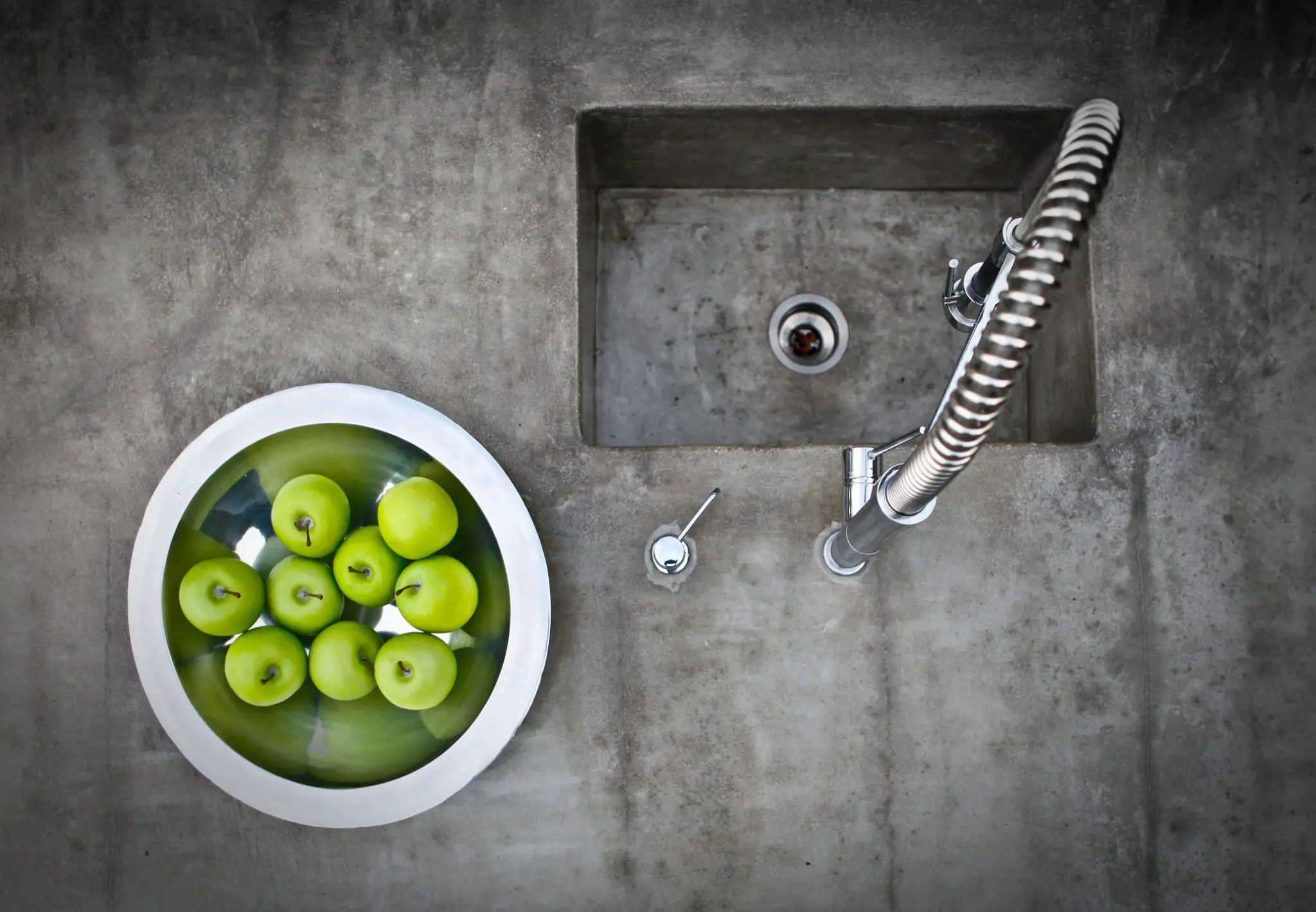
    Does the idea of a concrete countertop seem a little boring or cold? Think again! Thanks to the incredible customization options of concrete, a concrete countertop can be a beautiful, warm feature that is both functional and design-forward. Learn about the pros and cons of concrete and decide if they’re right for your project!

    Benefits of concrete countertops

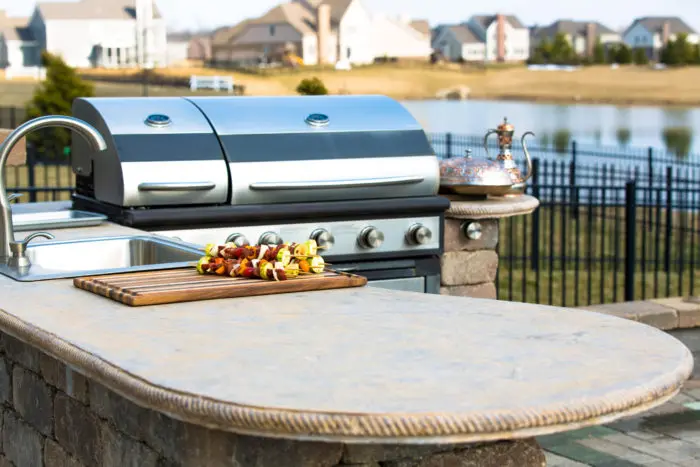
    Concrete countertops are a great option for commercial spaces, like bars and restaurants, but they also work well in homes. Whether kitchens, backyard patios, or even bathrooms, concrete counters are a beautiful addition.
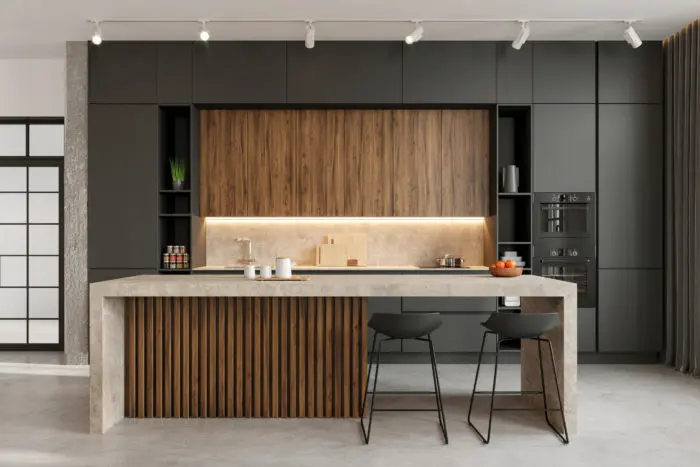
    Pro: Completely customizable

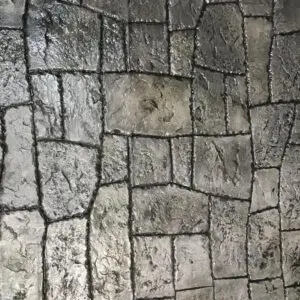
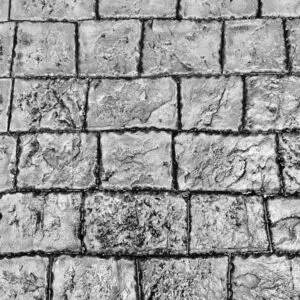
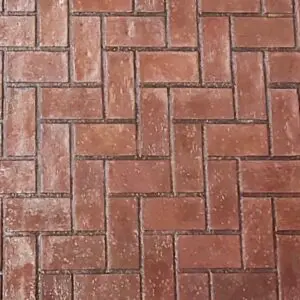
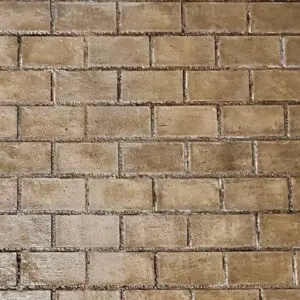
    This is definitely the biggest perk to a concrete counter! Thanks to the available textures and finishes, your countertop can match literally any design style, whether you want a rustic look, a modern look, or something in-between. Thanks to stamps and an array of tinting options, your concrete can mimic tile, wood, marble, granite, and more! Plus, consider polishing the surface or embedding stone or decorative glass for a truly one-of-a-kind piece. Thanks to the handmade nature of a concrete countertop, it’s also easy to cast useful features like trivets or cutting boards.

    Pro: Durable

    Durability is another major benefit when it comes to concrete countertops. Not only is concrete inherently durable, but countertop concrete mixes usually contain glass fibers too, which enhances the overall strength. This mix means that both overhangs and seamless sections are no problem. When properly sealed and maintained, a concrete countertop can last 50 years!

    Drawbacks to concrete countertops

    Concrete has a few drawbacks, too, although we tend to think the pros outweigh any cons!

    Con: Staining

    Concrete countertops are susceptible to some staining. And since these countertops last so long, you’ll want to make sure you’re prepared to mitigate any stain damage. Regular applications of sealer and wax will help protect the surface. Any spills need to be taken care of immediately – don’t let liquid sit on the surface. But personally? We love not having to clean grout lines!

    Possible cons: Time and cost

    Comparing the time and money it takes to install a concrete countertop versus a more conventional material is tricky. In general, it used to be that concrete counters took longer to install due to their handcrafted and custom nature. (Plus, concrete needs to cure!) The cost also tended to be higher due to the labor. But in 2022, much of this conventional wisdom has been thrown out the window thanks to high demand, labor shortages, and material shortages. To best compare these factors, you’ll probably need to get some real-life quotes. The situation is so dynamic that it’s hard to estimate.

    Is a concrete countertop right for your project?

    Weighing the pros and cons is very much up to the specifics of the project. However, we tend to think that concrete’s 50-year lifespan and vast customization options outweigh any cons. (We love concrete, though, so we may be biased!) Our overall opinion tends to be that concrete is a good fit if you have a unique counter setup, you want all the bells and whistles, and you love to make a statement!

    How is a concrete countertop installed?

    It sounds like a major job if you don’t know how concrete is installed, but a professional will make it look easy. Countertops can either be poured in place or precast.

    A precast involves building a mold, pouring the concrete, letting it cure, and then installing it in place. This method can work for certain projects and it provides many customization options, especially when it comes to embedding cool materials. However, it’s difficult to use edge molds and creating holes for sinks or faucets can get confusing. Not to mention that moving the finished piece into place is a significant undertaking.

    Pouring in place is a popular option that many contractors find to be easier. It consists of covering the existing cabinets with plywood and building a form around the edges. Concrete is poured into the form and, once fully dry, the form is removed to reveal the new counter. This method works extremely well for including fancy edge molds and it also removes the necessity of moving a very large and heavy piece of concrete through your home.

    How should you maintain your concrete countertop?

    To keep your counter looking great for decades, it’s usually recommended to take a few steps.

    • Apply a food-safe wax if your counter will be used as a food prep area.
    • Reseal your counter once a year to prevent stains and water absorption.
    • Wipe up spilled liquids immediately.
    • Clean the counter with a mixture of dish soap and water.
    • Don’t use any abrasive cleaners.
    • Use trivets for hot pans since they can damage the sealer.
    Contact Calico Construction Products

    Ready to get started on a concrete countertop project? Contact Calico at 800-221-9469 if you want to chat. Our concrete pros are happy to talk through any problems or questions you have. Or if you’re ready to get shopping, shop our selection of concrete stamps, form and edge liners, colors, and sealers.
  • Congratulations to Our 2021 Photo Contest Winners

    We are so excited to announce the winners of our photo contest! This is the second year that we’ve held this contest and we had so many incredible entries. It was truly a challenge to pick the winners. That being said, there has to be a winner – in this case, three! – so here are our winners in alphabetical order.

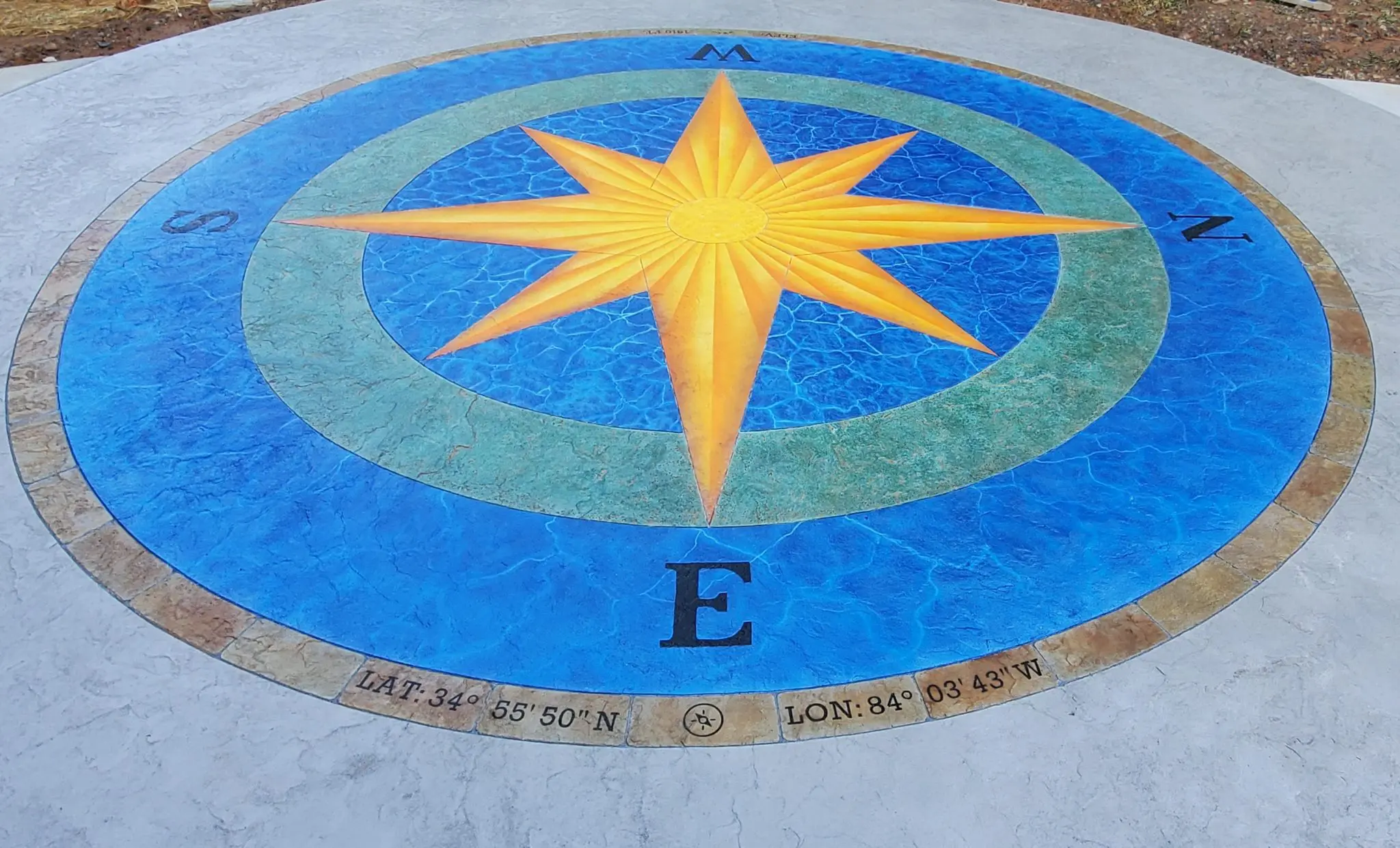
    Winner #1: Ben’s Concrete Creations, located in Blairsville, Georgia is a winner! A second-generation concrete finisher and contractor, Ben has taken this trade to new heights by offering the best that concrete has to offer. Their project used Proline Blue Ridge Stone, Integral Color, and Acid Stain, in addition to exterior acetone dye and diluted car paints!

    Connect with Ben’s Concrete Creations on Facebook and Instagram!

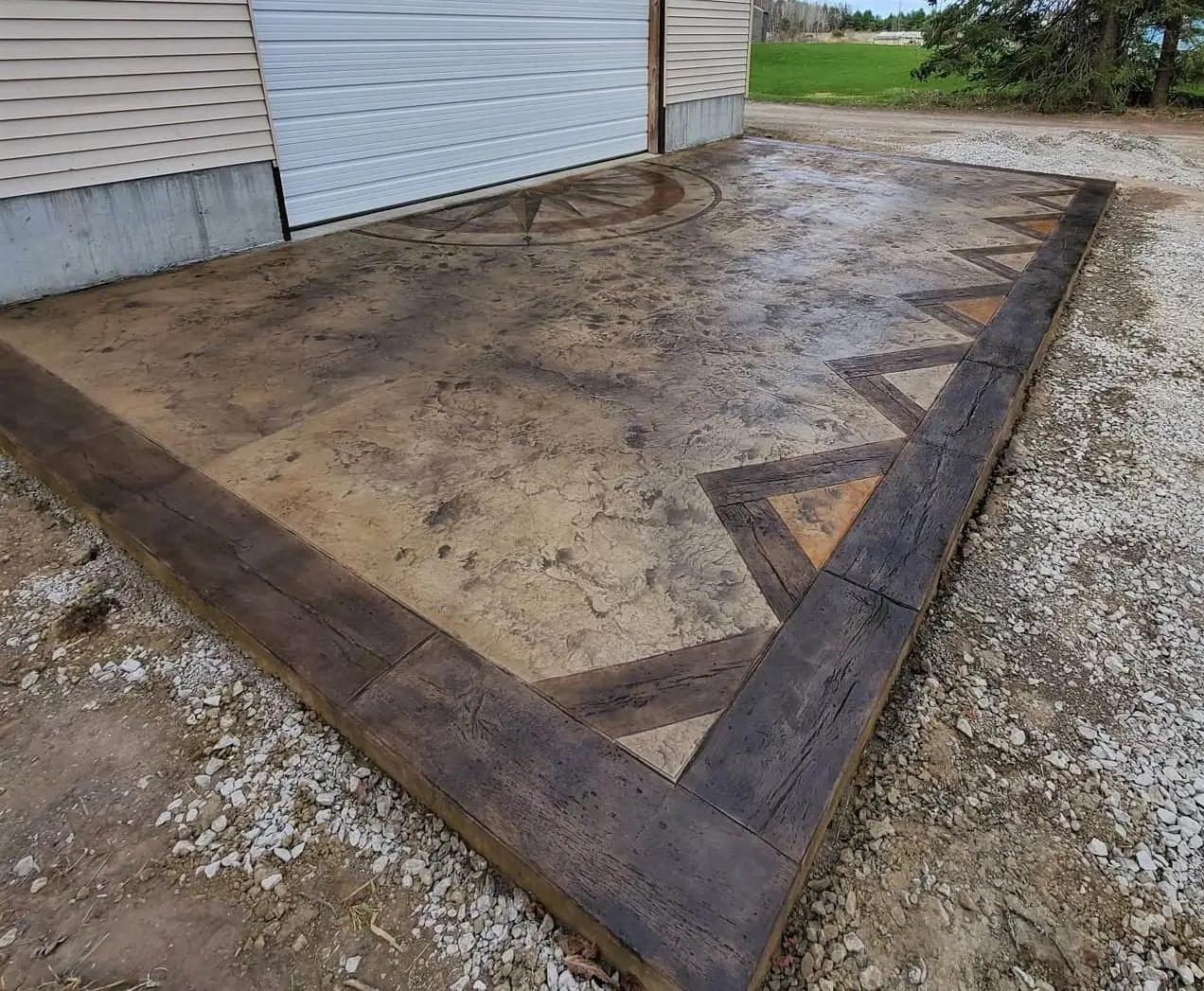
    Winner #2: Another winner is Captivating Concrete from Prescott, Michigan! Captivating Concrete takes pride in being Michigan’s decorative concrete leaders. They put their customers first on every single project, from concept to completion. Their project featured Proline Reclaimed Timber, a 13-foot compass, and Blue Ridge Seamless stamps, in addition to Integral Color, Color Hardener, EZ-Tique Antiquing Wash, and Acid Stain.

    Connect with Captivating Concrete on Facebook and Instagram!

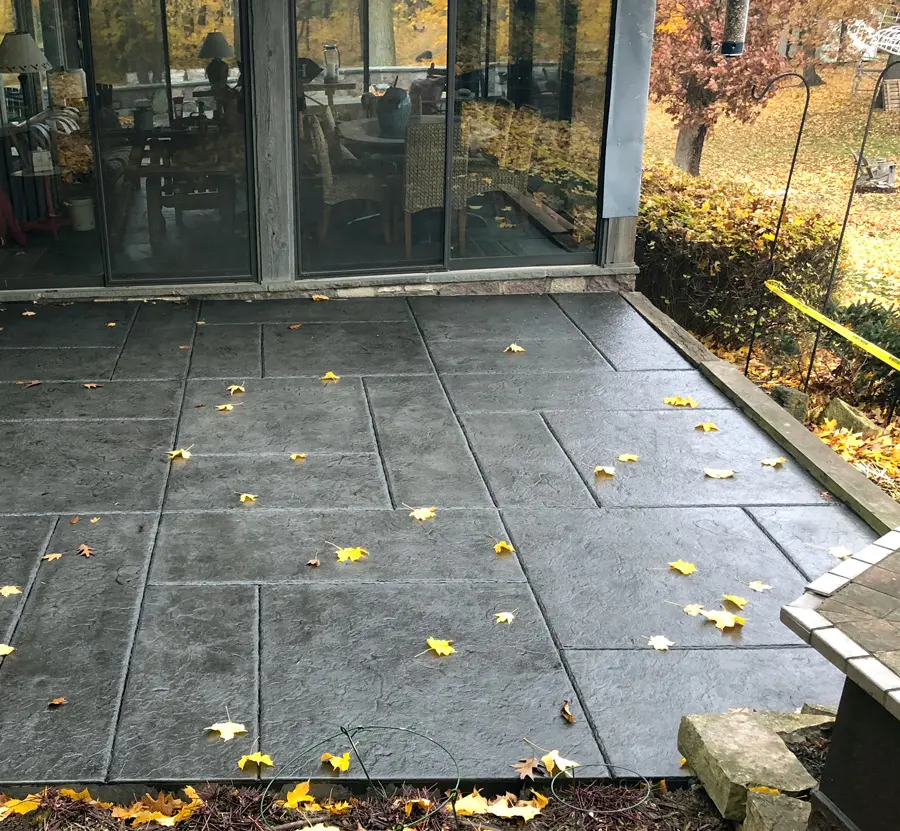
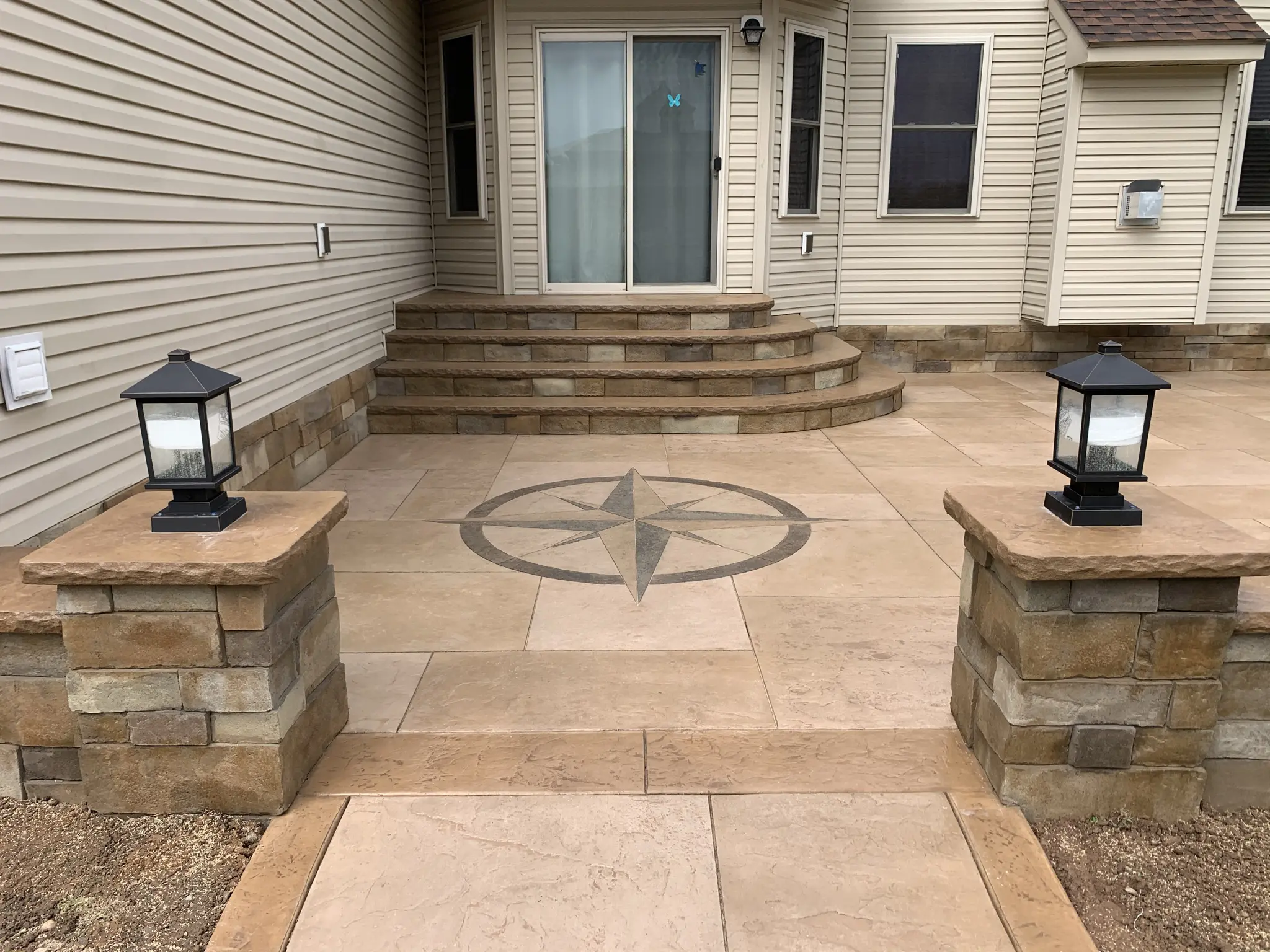
    Winner #3: Last but not least is Emil J. Gera Concrete, Inc.! Located in Weatherly, Pennsylvania, Gera Concrete has been serving customers since 1989. A family-run business, Gera Concrete is dedicated to providing their customers with 100% satisfaction. Their project, which included Proline Roman Slate Stamp, Integral Color, and Color Hardener, featured custom designs, hand-carved seat walls, and step faces with low voltage lighting.

    Connect with Emil J. Gera Concrete, Inc. on Facebook and Instagram!

    Thanks again to all of our participants! We were so impressed by each and every project. Please take a moment to check them all out. If you missed this year’s contest, you can always submit photos to be featured in our Concrete Project Gallery!

  • Enter Our 2021 Photo Contest!

    Have you completed a stamped concrete project recently? Do you love what you created? Enter our photo contest for the chance to win a $150 gift card to Calico Construction Products. Three winners will be chosen! Bask in recognition and accolades from your peers while getting a little extra love on your website and social media (thanks to our links and callouts!).
    How to enter our contest

    It’s so easy to enter. Just upload your photo(s) to our online form, enter some basic info, and submit! If you have specific details about the products and methods used on your project, we’d love to know that, too. Any information you share will help inform and educate other contractors and homeowners about the incredible possibilities of stamped concrete. Show the world what you can do with Proline Concrete Tools!

    What can you win?

    THREE winners will each receive a $150 gift certificate to our online store. It’s a great opportunity to buy a new concrete stamp or try out new concrete stains. Plus, we’ll feature all entries on our social media and our website. We’ll link to your site and your social media profiles, too, providing you with valuable exposure.

    Ready to start?

    Just click here to enter. You have until 09/30/2021 to enter. Winners will be announced 10/12/21. Read contest rules here.

  • The Benefits of Concrete Driveways

    Do your customers ever ask about the advantages of a concrete driveway versus an asphalt driveway? Often it can be difficult to convince a homeowner who has their heart set on asphalt to consider concrete instead because they’re concerned about the higher upfront costs. In this situation, what can you say to help clients see concrete in a different light? Here are four reasons why concrete is a great option for driveways (and other high-traffic surfaces).

    Why consider concrete, over asphalt, for your next driveway project?

    • Lasts for decades
    • Low maintenance
    • Lower life cycle cost
    • Can be extremely customized and designed
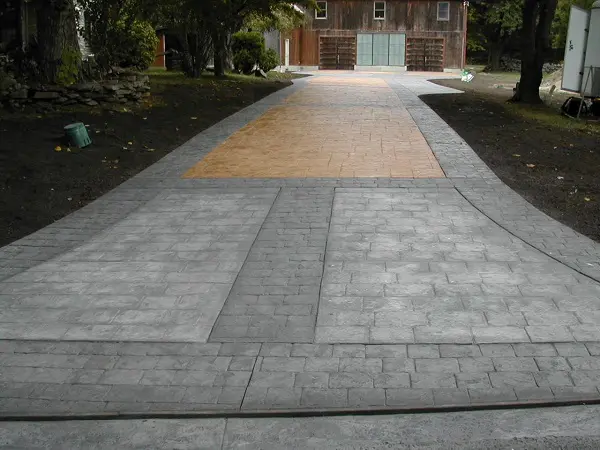
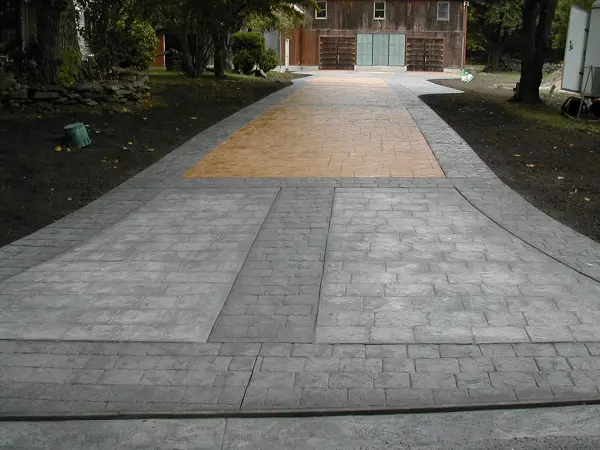
    Ashlar Stamped Concrete Driveway

    Durability

    Concrete is a sturdy option that will last up to 50 years, depending on climate and maintenance. Cracking and wearing may occur, of course, but concrete can be patched and repaired. In comparison, asphalt will last about 20 years. While asphalt is more easily repaired, it’s also considerably more prone to deterioration and damage since it’s softer than concrete.

    Both asphalt and concrete have climate considerations that affect durability. Concrete can be sensitive to extreme cold and can buckle, especially if not properly maintained.  On the other hand, the softness of asphalt makes it a less than ideal option for regions that experience high temperatures. Asphalt  becomes gooey when it’s hot and then hardens again when the temperature lowers. This softening and hardening cycle can cause the asphalt to sag or crack over time.

    Maintenance

    Concrete is relatively low maintenance. It may need to be cleaned with a brush annually. Most contractors recommend applying sealer every few years because it helps to preserve the concrete, can intensify the colors, and makes it easier to clean. More importantly, sealers can prevent damage from freeze-thaw cycles mentioned above. Asphalt is a more hands-on driveway material. Six to twelve months after installation, an asphalt driveway should be sealed, and this process should be repeated every three to five years.

    Life cycle cost

    Looking at the initial price of concrete versus asphalt, the latter does win out. Concrete can be two to three times more expensive than asphalt, but that’s not the end of the story. When you look at the whole life cycle of both materials and what they’ll cost during their lifetimes, concrete usually comes out on top thanks to its long life and low maintenance costs.

    Decorative options

    There’s no comparison here. Asphalt is black or dark gray. Sure, concrete is pale gray but many homeowners are unaware of how customizable it can be thanks to Proline concrete stamps and nearly endless color options. Concrete can be stamped to look like practically any other material;  stones, brick, tile, and even wood for example. With tinting and coloring products, concrete can truly be a work of art.

    To summarize

    • Concrete is more durable.
    • Concrete has an average lifespan of 50 years.
    • The only maintenance required is applying sealer every few years.
    • Concrete can be stamped with patterns, textures, and designs
    • Concrete can be tinted and stained with different colors and finishes.

    Find everything for your concrete project

    Calico Construction Products has the full line of Proline concrete stamps, colors, and more. Come shop with us or feel free to give us a call at 800-221-9469 with any questions. We’re here to answer your questions and help you find the best products for your job!

    Concrete News & Tips

  • Our Most Frequently Asked Questions About Stamped Concrete

    Here at Calico Construction Products, we know concrete well and we know how to help make it look great. Our customer service team fields a lot of questions, so we wanted to share a few that we hear on a regular basis.

    Take a look and let us know if you have more to add to the list!

    Can faded or cracked concrete be repaired?

    In most cases, yes! While concrete isn’t immune to deterioration from age, there are often ways to refresh and repair it. If your tinted concrete has simply faded over time, products like Proline’s Accent Water-Based Acrylic Stain, or EZ-Tique Antiquing Wash can restore your dull concrete. They are easy to use and give faded concrete a nice pop of color. Your surface must be porous, though, for the coloring product to adhere.

    Overlay is an effective and affordable way to repair cracked concrete. Once fixed, the concrete can be stamped and colored like new. For concrete overlays, use Proline’s Color Packs for your base color and products like Accent or EZ-Tique for highlighting and antiquing. This would replace color hardener and antique release in this application. Proline Pro-Stamp, a strong stampable overlay, transforms plain concrete into a surface that can be stamped with any decorative, textured finish. Proline ProSurfacer, a high strength polymer concrete overlay, is another product that can restore and repair stained and cracked concrete. This can be colored, broom finished, stained, the possibilities are endless. It is used in several overlay applications and can even be used as a patch and leveling compound that can fill and repair uneven concrete.

    Do I need more than one stamp to effectively stamp concrete and what is a “package” of concrete stamps?

    Yes, most times stamping concrete requires more than one stamp. Things to consider when deciding on how many stamps are needed for the project: How large is it, how much can I stamp before the concrete gets too hard? Where am I going to walk/stand while placing the pattern? Are there multiple pieces that work together to complete the pattern, i.e. an “A,” “B,” and/or “C,” stamp? We’ve listed the dimensions of all of our stamps online to assist in laying out your project.  Concrete stamps are designed to be used in multiples. Seamless stamps overlap while patterned concrete stamps are placed next to each with no gaps in between. The general recommendation is that you should have enough stamps to cover the width of the project, plus two.

    So what’s in a package of concrete stamps? Our packages contain the minimum number of stamps and accessories recommended for each pattern. This generally includes six rigid stamps, one thin flex, two touch-up skins, and the recommended chisels and/or wheels that best fit the pattern.

    Do I need to seal my concrete after stamping and coloring?

    Yes. Sealing maintains the color of your concrete. Sealing concrete enriches the color intensity — whether the color is integral, a stain or dye, or from color hardener. Sealers can add sheen to the concrete such as a high gloss or no sheen like a matte. Concrete sealers block the penetration of dirt, oil, grease and chemicals, and make the concrete surface much easier to clean. Sealers prevent water intrusion which can minimize freeze-thaw damage. Concrete sealers also help to prevent wear and tear from high foot and auto traffic areas.

    Concrete should be sealed every two years or more frequently if it’s exposed to extreme weather.

    What are release agents?

    You should always use a release agent. This substance, which is a bond breaker, prevents the concrete from sticking to the concrete stamps. Apply the release agent in either a liquid or powder form. Work as you go and don’t get too far ahead of the stamping.

    Traditionally there are two types of release, liquid and powder. Proline’s Antique Release powder comes in over 20 colors. Keep in mind: do NOT use powdered release on Proline’s Seamless Magnetic Skins.

    Proline’s Dura-Liquid Release promotes the release of stamps and texturing tools. Improve your results by ensuring tools don’t stick to wet concrete! The release is applied to the face of tools and skins, and directly to the surface of fresh concrete before stamping. This liquid product is less messy to apply than powders but it provides no color. For adding an antiquing color similar to that of what is produced with colored powder release, check out EZ-Tique.

    How can I add a base color to concrete?

    Concrete can be stained and tinted in a wide variety of colors and tones, and there are a few ways to accomplish this:

    • Color hardener is a popular technique that involves broadcasting the product onto wet concrete and then working it in with a trowel. Only the top surface is colored, so the color tends to be more intense. Since color hardeners increase the strength of concrete, they’re a great choice for outside projects and interior floors with heavy traffic.
    • Integral color is added to concrete prior to pouring. The color is consistent throughout the slab and won’t fade from exposure, but color is less vibrant than what you see with color hardener.

    Shop Calico Construction Products

    We have everything you need for your stamped concrete project. We take pride in helping our customers create fantastic concrete surfaces with our expertise and attention to detail. Browse our online store and contact us at 800-221-9469 if you have any questions!

    Concrete News & Tips

  • Proline Magnetic Skins Are a Game Changer

    Proline changed the future of the concrete industry with the release of their innovative Seamless Magnetic Pattern Concrete Stamps. In the few years we’ve carried these stamps, their popularity has skyrocketed and Calico customers haven’t stopped raving. Why? Proline seamless magnetic pattern concrete stamps get the job done easier and faster.

    Currently available in 12 patterns, Proline’s Seamless Magnetic Pattern Concrete Stamps are changing the way folks stamp concrete. The process for stamping is similar to that of using traditional seamless skins/mats. Locking at least 2 of the 3 magnets on a side will perfectly align the grout and joint lines…every time! To use, simply rotate and lock in place, you won’t have repeat patterns. Perfectly aligned grout lines means no joint squeeze out. These stamps are durable and lightweight, which means you’ll experience less fatigue and save significant time.

    911658_300

    A new way to stamp concrete

    Until recently, there were two types of stamps that professionals could use: traditional pattern stamps and seamless texture skins.

    • Traditional pattern stamps are small and fit together like a puzzle. To counteract the shifting that occurs during stamping, users must continually kick the stamps to keep them in place. This kicking action can cause the concrete to squeeze up between the pieces, often creating double joint lines. These double lines look unprofessional and sloppy and require touch-up, which significantly slows down the process.
    • Seamless texture skins/mats stamp faster and don’t requiring lining up the stamps making the process is much easier. While available in over 20 textures, you aren’t able to stamp a pattern….until now!

    “Seamless stamps are half the weight of other products so a single worker can lift and place them. This saves our team a ton of time.”

    — A Recent Customer

    So many benefits with seamless stamps

    Seamless Magnetic Pattern Concrete Stamps combine the best features of these stamping methods. They offer consistent results and are built to last with fiber reinforcement and increased durability — no stamp or handle tearing! They are also significantly easier to use because they’re larger and lighter, resulting in less body fatigue.

    Why else is the larger size important? These skins are 3 – 6 times larger than the old traditional pattern stamps. This means that the overall process is faster since the user can get on the concrete earlier due to increased rigidity and cover more ground. No squeeze-out and no touching up speeds up the process too!

    It’s no surprise these stamps are taking the industry by storm given their incredible benefits. Proline Seamless Magnetic Pattern Concrete Stamps:

    • Cut labor costs and stamping time
    • Have self-aligning patterns thanks to strong magnets that line up joints
    • Require zero or very little touch up
    • Rotate 90 or 180 degrees to create different looks
    • Are lightweight
    • Are more rigid

    How do Proline’s Seamless Magnetic Pattern Concrete Stamps work?

    Check out this video and see for yourself:

    What patterns would you like to see from Proline? Let us know! Calico Construction Products is proud to carry these innovative stamps by Proline. View our selection of Seamless Magnetic Pattern Stamps. Questions? Don’t hesitate to call us at 800-221-9469.

    Concrete News & Tips

  • Tips to Create the Perfect Outdoor Living Space

    Have you been spending a lot of time in your backyard this summer? Yeah, us too! We’ve heard from many customers who are looking at upgrading a backyard space so we wanted to share some of our favorite ideas. Let’s get that backyard looking great!  

    Make shade

    Create a perfectly comfortable sitting area by adding a bit of shade. There are a variety of options that meld style with functionality. Retractable shades are one option for hot summer afternoons. They block the sun with the press of a button and then roll back up when you feel like getting some rays. Available at most major retailers, there are solutions suited to a variety of dimensions and budgets.

    If you’re looking for a more permanent structure, a pergola or patio cover can be a good addition to a sunny backyard. Pergolas are open structures that can be freestanding or attached to a home. With a frame and open rafters, a pergola is exposed to the elements but fabric sheets or vines can provide privacy and shade. Patio covers, on the other hand, are usually attached to a home and have a weatherproof roof. Ceiling lights or fans can be added. Both pergolas and patio covers can be customized with a variety of materials and designs in order to complement a home and its landscaping.

    Cool off

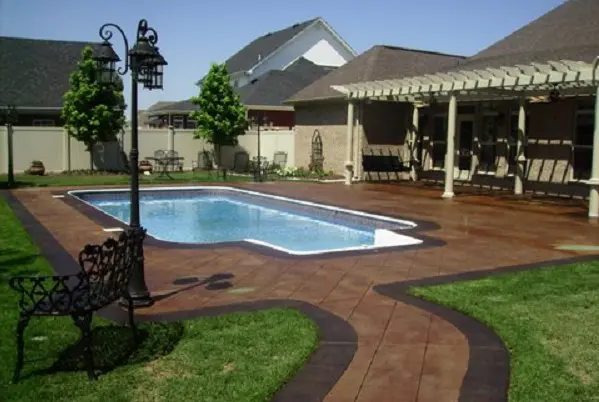
    Ok, this one is a major undertaking. But if your family loves swimming, a pool is an incredible way to upgrade your yard. If you have the budget and the space, a backyard pool provides excellent low-impact aerobic activity and tons of fun. Concrete pool decks are extremely durable and can be customized to mimic many other materials. They can even be stamped and tinted for a show-stopping look. Even better? Concrete is a fraction of the cost of other materials like stone or wood. Learn more about concrete pool decks!

    Heat it up

    Just because it’s summer doesn’t mean that you won’t enjoy some heat! Consider fun ways to mix it up. A hot tub is an affordable yet luxurious addition to a backyard deck. Make every day a spa day and unwind with a cold beverage while you let the hot water relax your muscles and your mind! If you’re not a hot tub person, consider a relatively simple fire pit. They’re great for entertaining a few guests or just the kids as you roast marshmallows. From fire rings that cost under $50 to wood burning fire pits that cost several hundred dollars, there are nearly endless options that can fit your space and your style. You can even make a fire pit out of concrete using one of Proline’s Form Liners. If you consider ambient lighting products like gas tabletop fire pits or fire bowls, there are even more choices. Plus, concrete fire pits are a pretty easy DIY project if you’re up for it!

    Relax

    It sounds obvious but turn your backyard space into the oasis you’re dreaming about! Simple touches can go a long way in creating a truly relaxing space.

    • Water feature: If you love the sound of a babbling brook, then consider installing a relaxing water fountain. The sound of running water is extremely relaxing, no matter if you enjoy yoga or meditation in your backyard or just reading a book at the end of the day. Proline makes a ledger stone water feature as well. You really can do almost anything with concrete!
    • Comfy furniture: Go beyond the simple set of chairs and invest in a set of lounge chairs, a patio swing, or even a sectional sofa. With fabric that can be water-resistant and UV protected and cushions that can be removed, there’s nothing stopping you from taking the best nap of your life. Whatever furniture you choose, ensure the layout encourages your favorite relaxing activities, like reading, conversing, or sleeping! An inviting space lets you unwind in comfort and style. 

    Get cooking

    An outdoor kitchen is the perfect way to amp up the functionality of your backyard space. Whether you’re a master griller or you want to make your own wood-fired pizzas, there are plenty of choices. Stamped and stained concrete floors, edging, and even countertops can provide you with the ultimate in durability and style. Learn more about our outdoor kitchen recommendations!

    Make it pretty  

    Your backyard needs to be beautiful! No matter how small it might be or what the neighbor’s yard is like, you can make sure that your space is a place you want to spend time.

    • Make it green: Your backyard can be green even if your thumb isn’t! Once you know your planting zone, look for plants that will thrive in your area. Commitment-phobes can plant annuals that last only one season and hands-off gardeners can plant perennials that come back year after year. Plant flowers in raised beds or use an assortment of planters in varying colors, shapes, and sizes for a boho-chic look.
    • Light it up: Don’t forget the lights! Lights provide your backyard with the perfect ambiance, whether you’re dining al fresco, playing board games, or enjoying a glass of wine. Illuminate with hanging lanterns, torches, or string lights. Consider lighting up your landscaping elements. Spotlights can highlight beautiful trees or architectural elements. Path and area lights can illuminate walkways but also landscaped garden beds.
    • Create privacy: If your views are less than ideal, consider privacy screens and other ways to improve your surroundings. Fences are always a great option, of course, but there are other methods. Living fences, like arborvitae or hedges, are beautiful. Pergolas, especially those planted with vines, are a good way to create an enclosed space. Other options include planted trellises and panel curtains.

    Need some help?

    If you’re looking to get started on a fantastic new outdoor project, shop our great selection of concrete stamps. The friendly experts at Calico Construction Products are standing by to answer your questions! Call us at 800-221-9469.

    Concrete News & Tips

  • Concrete Patios Vs. Wood Decks

    Adding a patio or a deck to your home is a great way to increase living space and enjoyment in your yard. It’s perfect for summer grilling, entertaining, and spending more time outside overall. Plus, if you’re practicing some form of social distancing this summer, gathering with small groups of friends and family may be less risky if you’re outside, most experts believe. Why not make your yard a beautiful and functional space? However, homeowners often debate the merits of concrete patios versus wooden decks. Which one is better and what are the pros and cons? (Spoiler: We’re Team Patio all the way!)

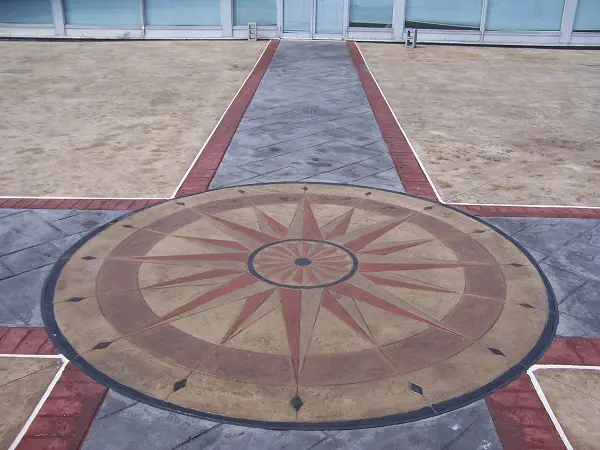
    16 Point Star Medallion (MD7900) by Interscope Contractors
    Stamped concrete featuring a tinted medallion by Interscope Contractors

    What’s the difference between a patio and a deck?

    Let’s start with the basics. A patio is generally a paved area that is directly on the ground while a deck is a wooden structure that is built at least a little bit above the ground. Patios are usually less expensive to install while decks may have a better ROI.

    Materials

    Patios are usually made of poured concrete, which can also be stamped to provide a wide variety of looks. (Other common patio materials include pea gravel, brick, stone, or pavers.) Concrete is a popular patio material due to the fact that the material itself is inexpensive and it’s an easy way to get a durable, hard surface in a yard. Concrete is made of water, cement, and aggregates like crushed stone or sand. Concrete patios can crack and wear down over time, especially if they’re not maintained, although the average lifetime of concrete is up to 30 years. Concrete also needs to have proper drainage when installed.

    Decks are generally crafted out of wood, such as redwood or cedar, although composite materials made of sawdust and plastic are popular, too. Certain species of wood are naturally resistant to rot and insects, although the level of resistance varies by species and how much heartwood the boards contain. A wood like cedar is on the softer side so it can easily be scratched by pets or furniture. Most wood decks will last 15-20 years although it degrades under less-than-ideal conditions, such as ground-level installation and in areas that are shaded.

    Maintenance

    Concrete patios need to be cleaned with a hard-bristled brush once a year. They should also be sealed every two years. Sealers are a great way to preserve your patio and make it easier to maintain. Sealers help maintain a patio’s color and can even intensify the color or add sheen. They also make the concrete easier to clean, since sealers prevent dirt and oil from penetrating. Sealers reduce water intrusion, which minimizes the risk of damage from freeze-thaw cycles. Lastly, sealers even prevent regular wear-and-tear in high traffic areas.

    Wood decks, especially if they’re directly exposed to the elements, require annual power washing and a finish applied every three or four years. A preservative with a water repellent protects the surface and reduces hairline splits. A semitransparent stain is needed to maintain the wood’s natural color. Otherwise, the color will turn silvery gray.

    Design options

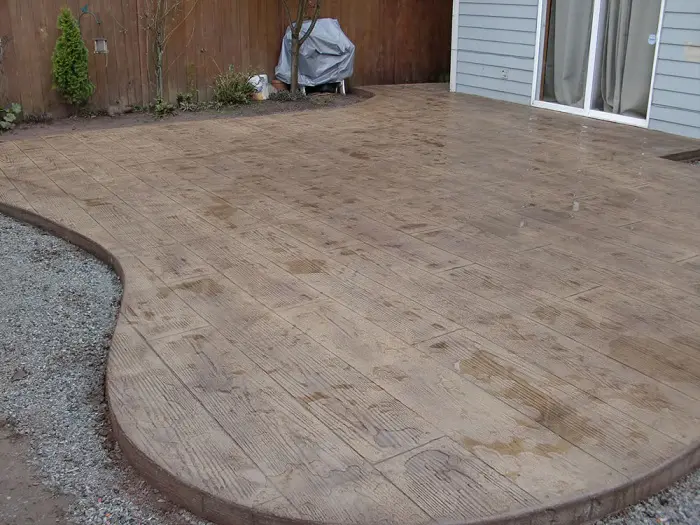
    Wood Plank Concrete Stamped Deck
    Wood Plank Concrete Stamped Deck

    Since concrete is applied as a wet paste and it hardens over time, it provides many opportunities for custom design. Stamped concrete, as mentioned above, is the process of pressing flexible stamps into fresh concrete. A wide variety of stamps can mimic the texture of other materials, like stone, tile, brick, and wood. Plus, concrete can be dyed nearly any color. Due to these stamping and color options, concrete is extremely versatile. A concrete patio can seamlessly fit in with any home style, design, and decor. From rustic cabins to Adobe style and everything in between, a concrete patio will look fantastic.

    Wood like cedar can easily be stained, colored, and treated with finishes. Due to the different dimensions and grades available, and since it can be easily cut, a wood deck is usually easy to build and it can work with many designs. However, a wood deck will always look like a wood deck, no matter how nice it is.

    Sustainability

    While concrete generates a high amount of carbon dioxide, a greenhouse gas, there are aspects of it that are actually considered sustainable. Concrete can be made from a variety of waste byproducts so it’s resource-efficient. Concrete is also extremely durable – generally double or triple the lifespan of other materials – and it won’t rust, rot, or burn. At the end of its lifespan, it can be crushed and used in pavement or roads.

    Natural woods are often considered environmentally friendly because they’re renewable and biodegradable. If the wood contains an eco-friendly designation, like the Forest Stewardship Council, you can be reasonably sure that it’s a good green option.

    The bottom line

    We’re obviously biased when it comes to the best patio material but we’re consistently impressed by concrete’s durability and, above all, versatility. It can create truly beautiful outdoor areas. Browse our gallery for inspiration or check out our Pinterest board.


  • The Many Benefits of a Concrete Pool Deck

    Have you been dreaming about adding a swimming pool to your backyard? While no small task, if you have the budget for your own personal pool, it’s the perfect way to enjoy the outdoors while getting some low-impact exercise. Opting for a concrete pool deck over wood or stone is a smart choice if you want a pool that has a luxurious look without a hefty price tag.

    Decorative concrete benefits

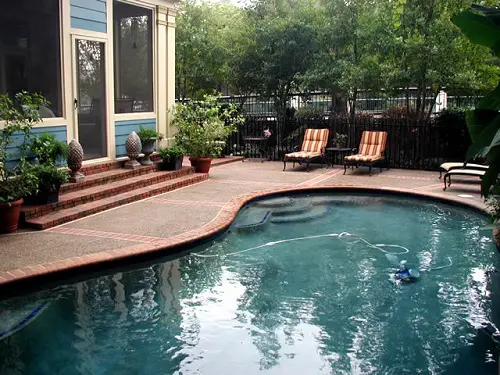
    Exposed aggragate pooldeck by Baltz and SonsIf the plain grey concrete at your community pool comes to mind, think again. Concrete has a wide variety of decorative options that can match or accentuate any home. Maybe you want to imagine your pool is in the Mediterranean or some tropical locale, or perhaps you want a modern pool that complements your home. No matter the style, concrete can get the job done. Here are just a few stamping options (but make sure to check out our full selection!).

    • Wood stamps mimic the look of real wood without requiring any trees to be cut down. Plus, you won’t have to worry about replacing real wood planks that get damaged by moisture or chemicals. (Added bonus? No slivers!)
    • Tile stamps provide a classic look while avoiding complicated installation and messy grout, which can crack. With so many color, texture, and shape options, you’ll find something that gives you a look you love.
    • Random stone is another beautiful option that gives you the look of real stone and comes in a variety of styles, from sandstone to garden stone to slate.

    Don’t forget about the little touches that can really make your pool deck special! Border art and decorative accents provide the details that bring your whole look together. A variety of animal and plant stamps offer the ability to truly personalize your new pool, whether you want something cute, rustic, or classic. Plus, consider a statement piece like a compass rose stamp or a gorgeous medallion for a show-stopping space.

    And what about color? The options are endless. Deep gray decks can mimic slate or stone, while browns, which often look nice with many homes, can cover everything from light tan to rich walnut. Light colors like white are increasing in popularity too. Besides staying cool, white is often considered to be a minimalist and modern color choice.

    Functional benefits

    Concrete is a workhorse, which makes it perfect for a home pool:

    #1: Concrete is durable. They use it for roads, after all! When you use concrete, you won’t have to worry about replacing it for a long time, even when exposed to harsh weather. While a concrete pool deck may end up with cracks over time, they’re easily fixed with a patch kit. Even the intense chemicals from the pool won’t affect your concrete’s durability or color if you’ve used the proper sealant.

    #2: Concrete is less expensive than other options. Cheaper than stone or tile, concrete is a great cost-effective options. Labor is also usually less expensive.

    #3: Concrete is low maintenance. Without any grout lines or gaps to deal with, you can easily clean your pool deck once a year with a power washer.

    #4: Concrete can be treated so it’s not slippery. Normally, yes, wet concrete is slippery. That’s why we always recommend that contractors incorporate a non-skid additive into the concrete to ensure that no one slips when they’re walking around the pool. It’s a quick and easy process that you’ll appreciate every time you use the pool.

    Additional enhancements

    Once you have your beautiful, stamped pool deck installed, you might wonder how else you can customize your space! Consider incorporating the following elements into your outdoor area:

    • Landscaping: Plants accentuate a pool and provide focal points. Landscaping also adds privacy and can help muffle sound. Trellises and climbing plants can create a beautiful living wall, while raised planters add visual interest.
    • Lighting: You can’t go to a garden store without seeing little string lights — people love outdoor lights! Use them to your advantage and create a magical space by using pathway lighting and uplighting on interesting elements or beautiful trees. Line the perimeter of your pool with lights for a dramatic look and use lighting around your seating area for comfortable evening lounging.
    • Living space: You’re going to be using your pool all summer (or maybe even year-round), so make sure that it’s comfortable for all your guests. Invest in a variety of comfortable seating options and use umbrellas or awnings to create ample shade. Consider including a grilling or outdoor kitchen area if your space permits. Plus, make sure to decorate!

    A note on safety:

    Safety is so important, as well as required by insurance and building codes. If you’re installing a new pool, be sure to follow the recommended guidelines for your area, whether they include installing a locked gate, adding a pool cover, or utilizing sensors or an alarm system.

    Interested in more? Check out our Pinterest board for more great ideas!


  • Decorative Concrete for Interior Floors

    Have you considered decorative concrete for your interior floors?

    When you think of concrete floors, cold grey basement slabs probably come to mind — not something that brings a unique, beautiful look to your living areas. While there are some special considerations for internal use, concrete floors can be a utilitarian and gorgeous option in a home or business.*

    When to install concrete in a building

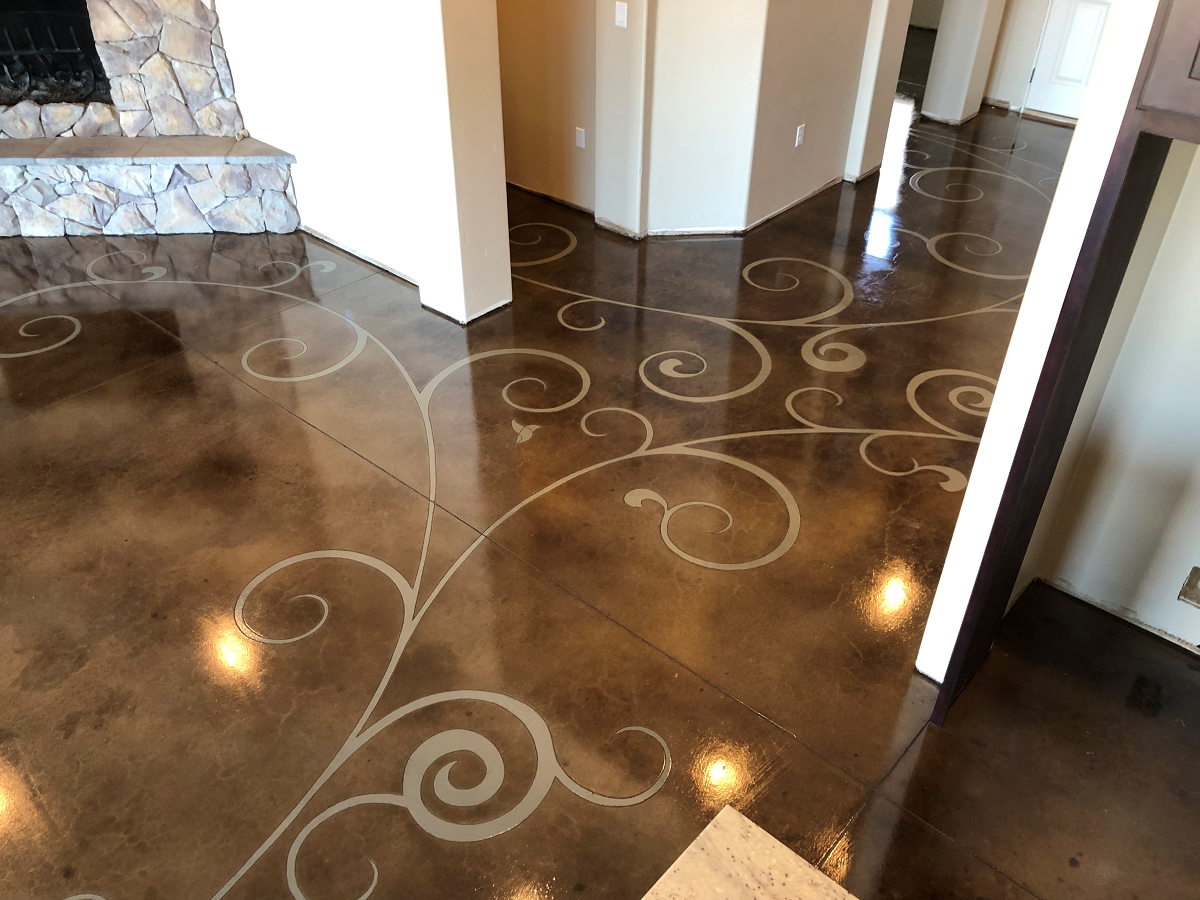
    Floor Seasons 2nd place
    Beautiful interior floor by Floor Seasons in Las Vegas

    Admittedly, concrete doesn’t work in all buildings. If a home has no existing concrete slab, then installing a new concrete floor is not a practical option. Concrete works best when pouring a fresh slab or adapting an existing slab. Sometimes, it may be possible to pour an overlay over a subfloor, but this generally requires careful structural reinforcement due to its heavy weight.

    Pros of a concrete floor

    • Durable: Concrete’s hardness and strength means that it’s not easily damaged. That’s why it’s used for driveways and roads! It can withstand pets, spills, high heels, heavy furniture, and dropped items. When properly installed and maintained, it will last for years.
    • Easy to maintain: When properly sealed, concrete is easy to clean and requires only a quick sweep and damp mopping. Experts do often recommend resealing your concrete on a regular basis although the frequency depends on usage and climate.
    • Ability to add radiant heat: Concrete can be cold underfoot but radiant heat can easily be added underneath to provide a warm, comfy feeling. Embed hot water tubes or cables within the concrete!
    • Design options: There are so many design options with a concrete floor! We’ll get into that below.

    Cons of a concrete floor

    • Hardness: The quality that makes concrete so durable also – unfortunately – makes it uncomfortable. Concrete can be too hard underfoot, especially if it’s in an area where one is standing often. For some families, like those with small children, the risk of falling on such a hard surface might be concerning.
    • Moisture: This can be an issue in certain types of basements because moisture can travel up from beneath the slab. To avoid dampness and possible surface damage, proper sealing and mitigation of outside moisture issues (like bad soil drainage or leaky gutters) is vital.
    • Cracking: Concrete can develop cracks over time but patching materials can remedy most problems.

    Design options for concrete floors

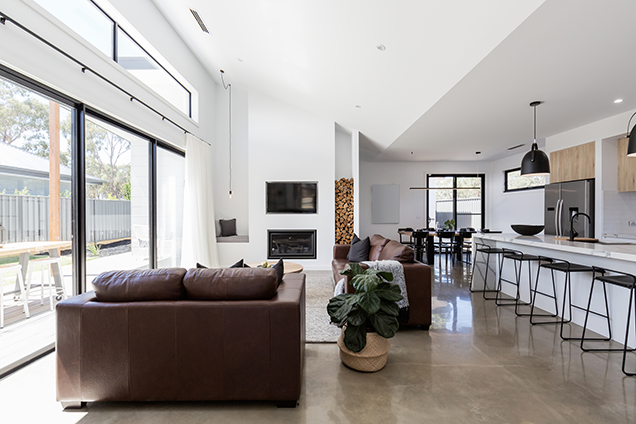
    Let’s get to the good stuff! Concrete floors can be an absolute show-stopper. They look especially great in homes or businesses that have an industrial or modern style. There are so many tinting, staining, texturing, and stamping options that can be mixed and matched to create a one-of-a-kind look.

    Color can be applied by adding dyes to wet concrete for a vibrant look. Stains provide a translucent effect and integral color is added during the mixing process. Color hardeners give fresh concrete surface-level coverage.

    Texture is achieved through a wide assortment of Proline stamping tools that can be used to make your concrete look like brick, stone, wood, ceramic tile, and more.

    Polish a floor by using a series of abrasive pads and then applying a sealer. This gives a floor a shiny, smooth finish.

    Acid stain gives floors a marble-like mottled appearance that is completely unique.

    If you are looking to get started on an interior floor project, shop our products or contact us with questions. If you need to find a contractor in your area to perform the work, we can help there too!