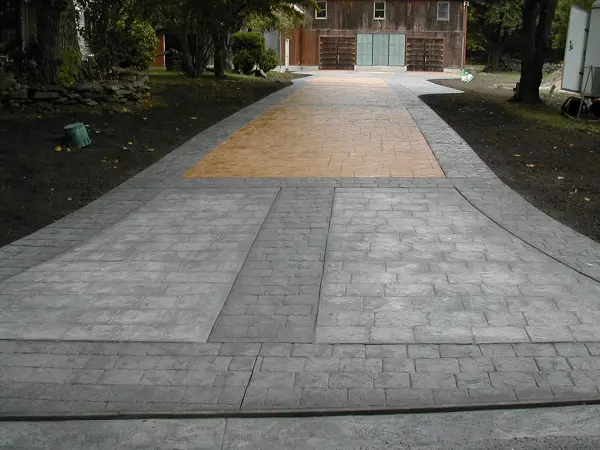
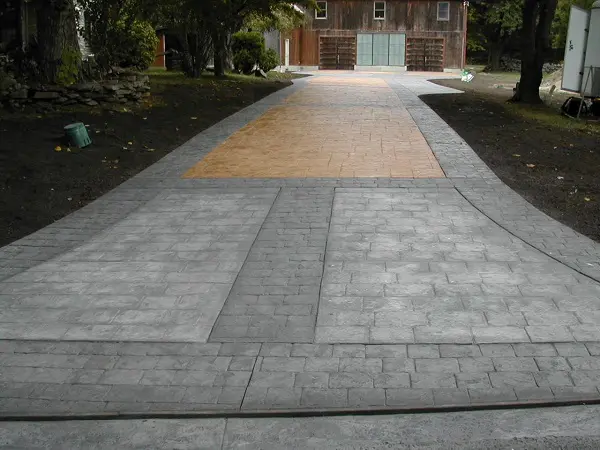
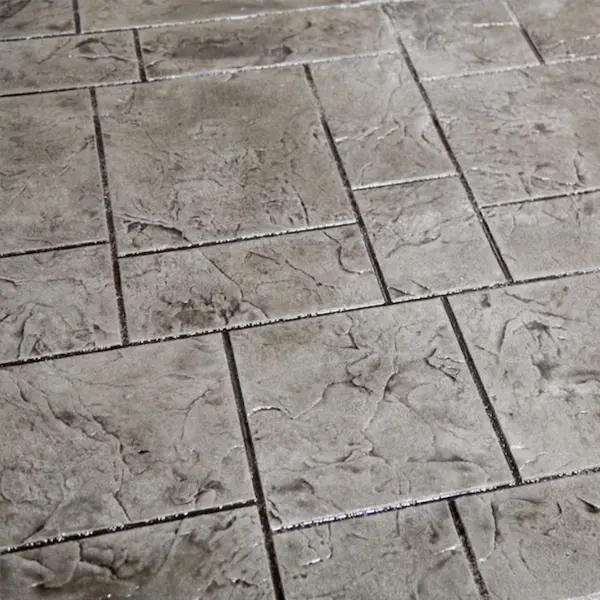
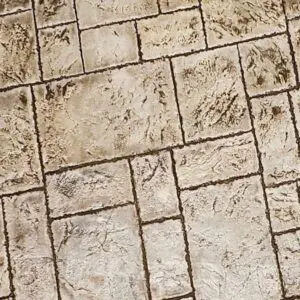
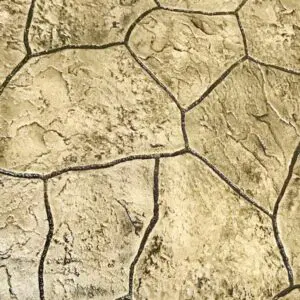
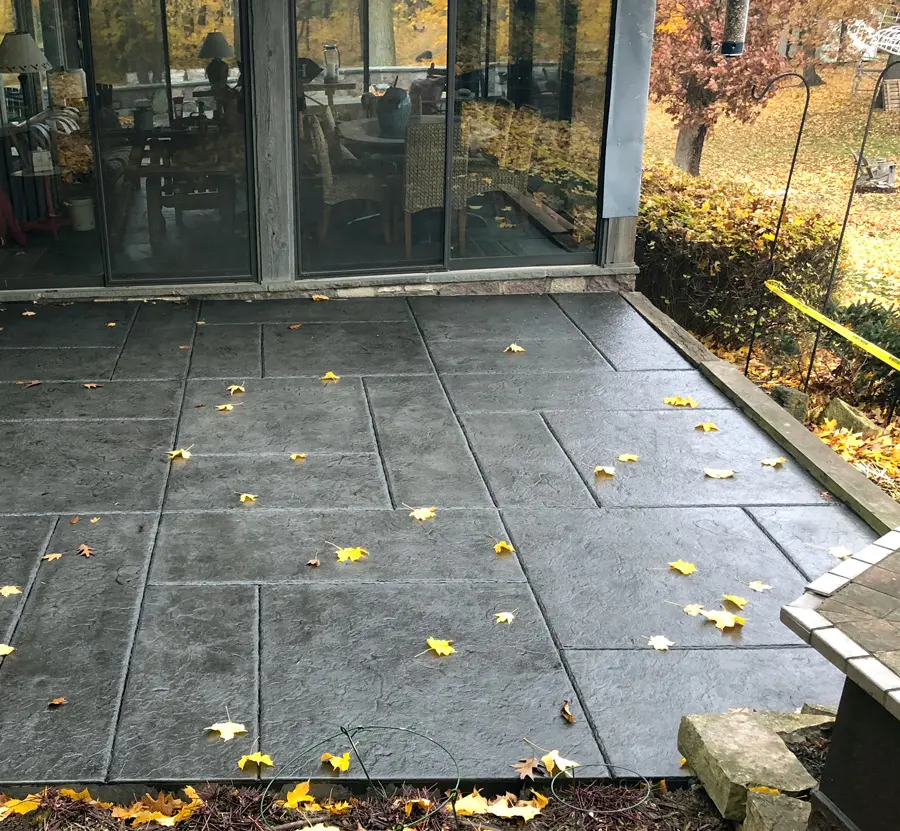
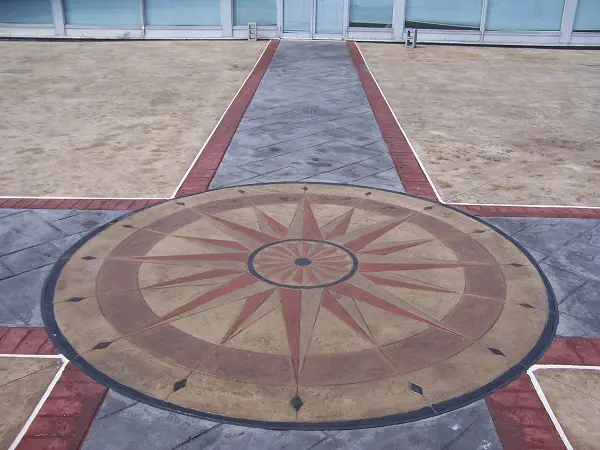
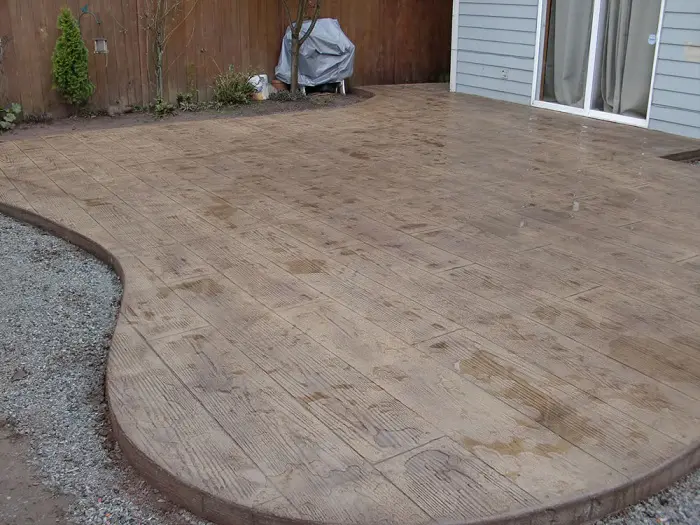
Have you completed a stamped concrete project recently? Do you love what you created? Enter our photo contest for the chance to win a $150 gift card to Calico Construction Products. Three winners will be chosen! Bask in recognition and accolades from your peers while getting a little extra love on your website and social media (thanks to our links and callouts!).
How to enter our contest
It’s so easy to enter. Just upload your photo(s) to our online form, enter some basic info, and submit! If you have specific details about the products and methods used on your project, we’d love to know that, too. Any information you share will help inform and educate other contractors and homeowners about the incredible possibilities of stamped concrete. Show the world what you can do with Proline Concrete Tools!
What can you win?
THREE winners will each receive a $150 gift certificate to our online store. It’s a great opportunity to buy a new concrete stamp or try out new concrete stains. Plus, we’ll feature all entries on our social media and our website. We’ll link to your site and your social media profiles, too, providing you with valuable exposure.
Do your customers ever ask about the advantages of a concrete driveway versus an asphalt driveway? Often it can be difficult to convince a homeowner who has their heart set on asphalt to consider concrete instead because they’re concerned about the higher upfront costs. In this situation, what can you say to help clients see concrete in a different light? Here are four reasons why concrete is a great option for driveways (and other high-traffic surfaces).
Why consider concrete, over asphalt, for your next driveway project?
Lasts for decades
Low maintenance
Lower life cycle cost
Can be extremely customized and designed
Durability
Concrete is a sturdy option that will last up to 50 years, depending on climate and maintenance. Cracking and wearing may occur, of course, but concrete can be patched and repaired. In comparison, asphalt will last about 20 years. While asphalt is more easily repaired, it’s also considerably more prone to deterioration and damage since it’s softer than concrete.
Both asphalt and concrete have climate considerations that affect durability. Concrete can be sensitive to extreme cold and can buckle, especially if not properly maintained. On the other hand, the softness of asphalt makes it a less than ideal option for regions that experience high temperatures. Asphalt becomes gooey when it’s hot and then hardens again when the temperature lowers. This softening and hardening cycle can cause the asphalt to sag or crack over time.
Maintenance
Concrete is relatively low maintenance. It may need to be cleaned with a brush annually. Most contractors recommend applying sealer every few years because it helps to preserve the concrete, can intensify the colors, and makes it easier to clean. More importantly, sealers can prevent damage from freeze-thaw cycles mentioned above. Asphalt is a more hands-on driveway material. Six to twelve months after installation, an asphalt driveway should be sealed, and this process should be repeated every three to five years.
Life cycle cost
Looking at the initial price of concrete versus asphalt, the latter does win out. Concrete can be two to three times more expensive than asphalt, but that’s not the end of the story. When you look at the whole life cycle of both materials and what they’ll cost during their lifetimes, concrete usually comes out on top thanks to its long life and low maintenance costs.
Decorative options
There’s no comparison here. Asphalt is black or dark gray. Sure, concrete is pale gray but many homeowners are unaware of how customizable it can be thanks to Proline concrete stamps and nearly endless color options. Concrete can be stamped to look like practically any other material; stones, brick, tile, and even wood for example. With tinting and coloring products, concrete can truly be a work of art.
To summarize
Concrete is more durable.
Concrete has an average lifespan of 50 years.
The only maintenance required is applying sealer every few years.
Concrete can be stamped with patterns, textures, and designs
Concrete can be tinted and stained with different colors and finishes.
Find everything for your concrete project
Calico Construction Products has the full line of Proline concrete stamps, colors, and more. Come shop with us or feel free to give us a call at 800-221-9469 with any questions. We’re here to answer your questions and help you find the best products for your job!
Here at Calico Construction Products, we know concrete well and we know how to help make it look great. Our customer service team fields a lot of questions, so we wanted to share a few that we hear on a regular basis.
Take a look and let us know if you have more to add to the list!
Can faded or cracked concrete be repaired?
In most cases, yes! While concrete isn’t immune to deterioration from age, there are often ways to refresh and repair it. If your tinted concrete has simply faded over time, products like Proline’s Accent Water-Based Acrylic Stain, or EZ-Tique Antiquing Wash can restore your dull concrete. They are easy to use and give faded concrete a nice pop of color. Your surface must be porous, though, for the coloring product to adhere.
Overlay is an effective and affordable way to repair cracked concrete. Once fixed, the concrete can be stamped and colored like new. For concrete overlays, use Proline’s Color Packs for your base color and products like Accent or EZ-Tique for highlighting and antiquing. This would replace color hardener and antique release in this application. Proline Pro-Stamp, a strong stampable overlay, transforms plain concrete into a surface that can be stamped with any decorative, textured finish. Proline ProSurfacer, a high strength polymer concrete overlay, is another product that can restore and repair stained and cracked concrete. This can be colored, broom finished, stained, the possibilities are endless. It is used in several overlay applications and can even be used as a patch and leveling compound that can fill and repair uneven concrete.
Do I need more than one stamp to effectively stamp concrete and what is a “package” of concrete stamps?
Yes, most times stamping concrete requires more than one stamp. Things to consider when deciding on how many stamps are needed for the project: How large is it, how much can I stamp before the concrete gets too hard? Where am I going to walk/stand while placing the pattern? Are there multiple pieces that work together to complete the pattern, i.e. an “A,” “B,” and/or “C,” stamp? We’ve listed the dimensions of all of our stamps online to assist in laying out your project. Concrete stamps are designed to be used in multiples. Seamless stamps overlap while patterned concrete stamps are placed next to each with no gaps in between. The general recommendation is that you should have enough stamps to cover the width of the project, plus two.
So what’s in a package of concrete stamps? Our packages contain the minimum number of stamps and accessories recommended for each pattern. This generally includes six rigid stamps, one thin flex, two touch-up skins, and the recommended chisels and/or wheels that best fit the pattern.
Do I need to seal my concrete after stamping and coloring?
Yes. Sealing maintains the color of your concrete. Sealing concrete enriches the color intensity — whether the color is integral, a stain or dye, or from color hardener. Sealers can add sheen to the concrete such as a high gloss or no sheen like a matte. Concrete sealers block the penetration of dirt, oil, grease and chemicals, and make the concrete surface much easier to clean. Sealers prevent water intrusion which can minimize freeze-thaw damage. Concrete sealers also help to prevent wear and tear from high foot and auto traffic areas.
Concrete should be sealed every two years or more frequently if it’s exposed to extreme weather.
What are release agents?
You should always use a release agent. This substance, which is a bond breaker, prevents the concrete from sticking to the concrete stamps. Apply the release agent in either a liquid or powder form. Work as you go and don’t get too far ahead of the stamping.
Traditionally there are two types of release, liquid and powder. Proline’s Antique Release powder comes in over 20 colors. Keep in mind: do NOT use powdered release on Proline’s Seamless Magnetic Skins.
Proline’s Dura-Liquid Release promotes the release of stamps and texturing tools. Improve your results by ensuring tools don’t stick to wet concrete! The release is applied to the face of tools and skins, and directly to the surface of fresh concrete before stamping. This liquid product is less messy to apply than powders but it provides no color. For adding an antiquing color similar to that of what is produced with colored powder release, check out EZ-Tique.
How can I add a base color to concrete?
Concrete can be stained and tinted in a wide variety of colors and tones, and there are a few ways to accomplish this:
Color hardener is a popular technique that involves broadcasting the product onto wet concrete and then working it in with a trowel. Only the top surface is colored, so the color tends to be more intense. Since color hardeners increase the strength of concrete, they’re a great choice for outside projects and interior floors with heavy traffic.
Integral color is added to concrete prior to pouring. The color is consistent throughout the slab and won’t fade from exposure, but color is less vibrant than what you see with color hardener.
Shop Calico Construction Products
We have everything you need for your stamped concrete project. We take pride in helping our customers create fantastic concrete surfaces with our expertise and attention to detail. Browse our online store and contact us at 800-221-9469 if you have any questions!
Proline changed the future of the concrete industry with the release of their innovative Seamless Magnetic Pattern Concrete Stamps. In the few years we’ve carried these stamps, their popularity has skyrocketed and Calico customers haven’t stopped raving. Why? Proline seamless magnetic pattern concrete stamps get the job done easier and faster.
Currently available in 12 patterns, Proline’s Seamless Magnetic Pattern Concrete Stamps are changing the way folks stamp concrete. The process for stamping is similar to that of using traditional seamless skins/mats. Locking at least 2 of the 3 magnets on a side will perfectly align the grout and joint lines…every time! To use, simply rotate and lock in place, you won’t have repeat patterns. Perfectly aligned grout lines means no joint squeeze out. These stamps are durable and lightweight, which means you’ll experience less fatigue and save significant time.
A new way to stamp concrete
Until recently, there were two types of stamps that professionals could use: traditional pattern stamps and seamless texture skins.
Traditional pattern stamps are small and fit together like a puzzle. To counteract the shifting that occurs during stamping, users must continually kick the stamps to keep them in place. This kicking action can cause the concrete to squeeze up between the pieces, often creating double joint lines. These double lines look unprofessional and sloppy and require touch-up, which significantly slows down the process.
Seamless texture skins/mats stamp faster and don’t requiring lining up the stamps making the process is much easier. While available in over 20 textures, you aren’t able to stamp a pattern….until now!
“Seamless stamps are half the weight of other products so a single worker can lift and place them. This saves our team a ton of time.”
— A Recent Customer
So many benefits with seamless stamps
Seamless Magnetic Pattern Concrete Stamps combine the best features of these stamping methods. They offer consistent results and are built to last with fiber reinforcement and increased durability — no stamp or handle tearing! They are also significantly easier to use because they’re larger and lighter, resulting in less body fatigue.
Why else is the larger size important? These skins are 3 – 6 times larger than the old traditional pattern stamps. This means that the overall process is faster since the user can get on the concrete earlier due to increased rigidity and cover more ground. No squeeze-out and no touching up speeds up the process too!
It’s no surprise these stamps are taking the industry by storm given their incredible benefits. Proline Seamless Magnetic Pattern Concrete Stamps:
Cut labor costs and stamping time
Have self-aligning patterns thanks to strong magnets that line up joints
Require zero or very little touch up
Rotate 90 or 180 degrees to create different looks
Are lightweight
Are more rigid
How do Proline’s Seamless Magnetic Pattern Concrete Stamps work?
Check out this video and see for yourself:
What patterns would you like to see from Proline? Let us know! Calico Construction Products is proud to carry these innovative stamps by Proline. View our selection of Seamless Magnetic Pattern Stamps. Questions? Don’t hesitate to call us at 800-221-9469.
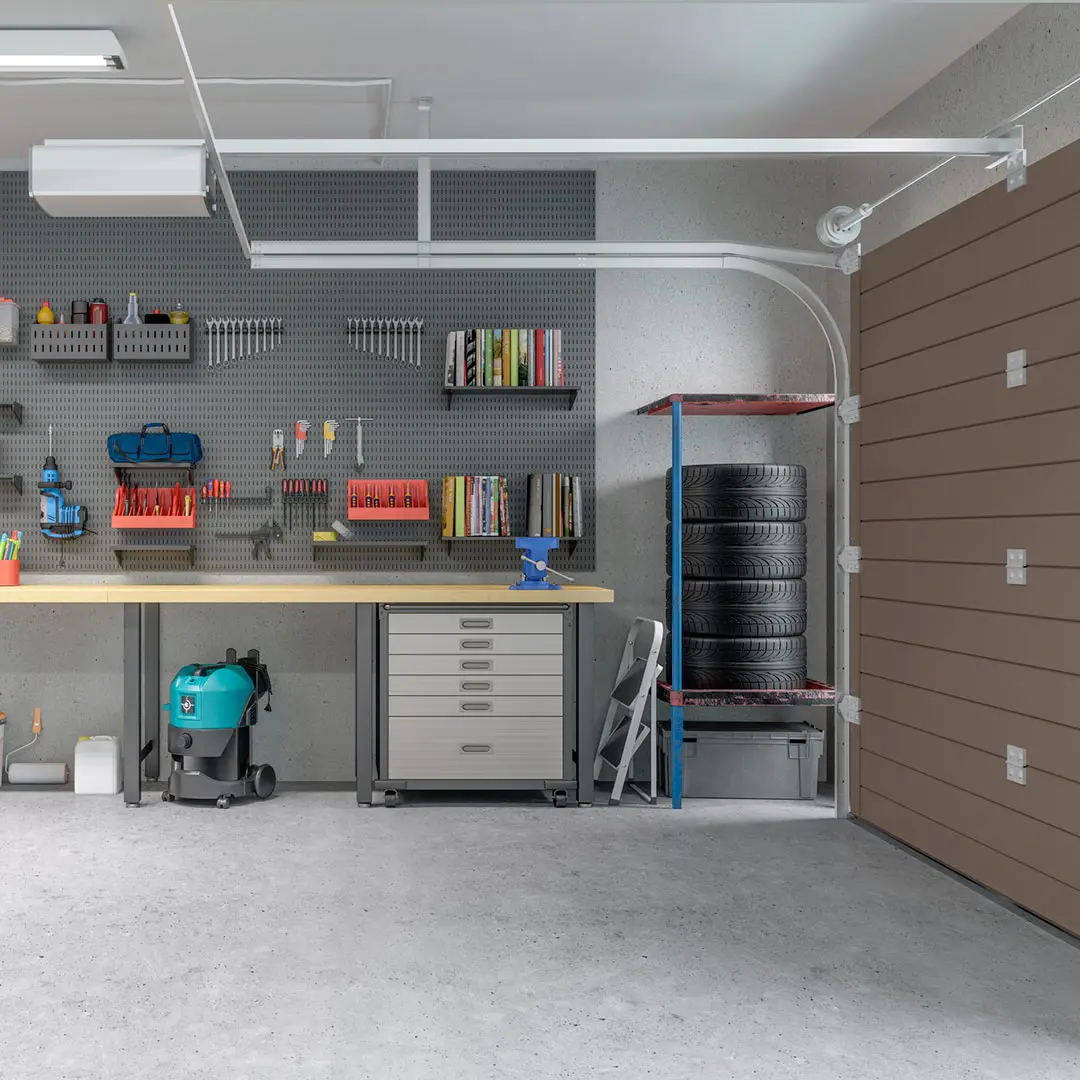
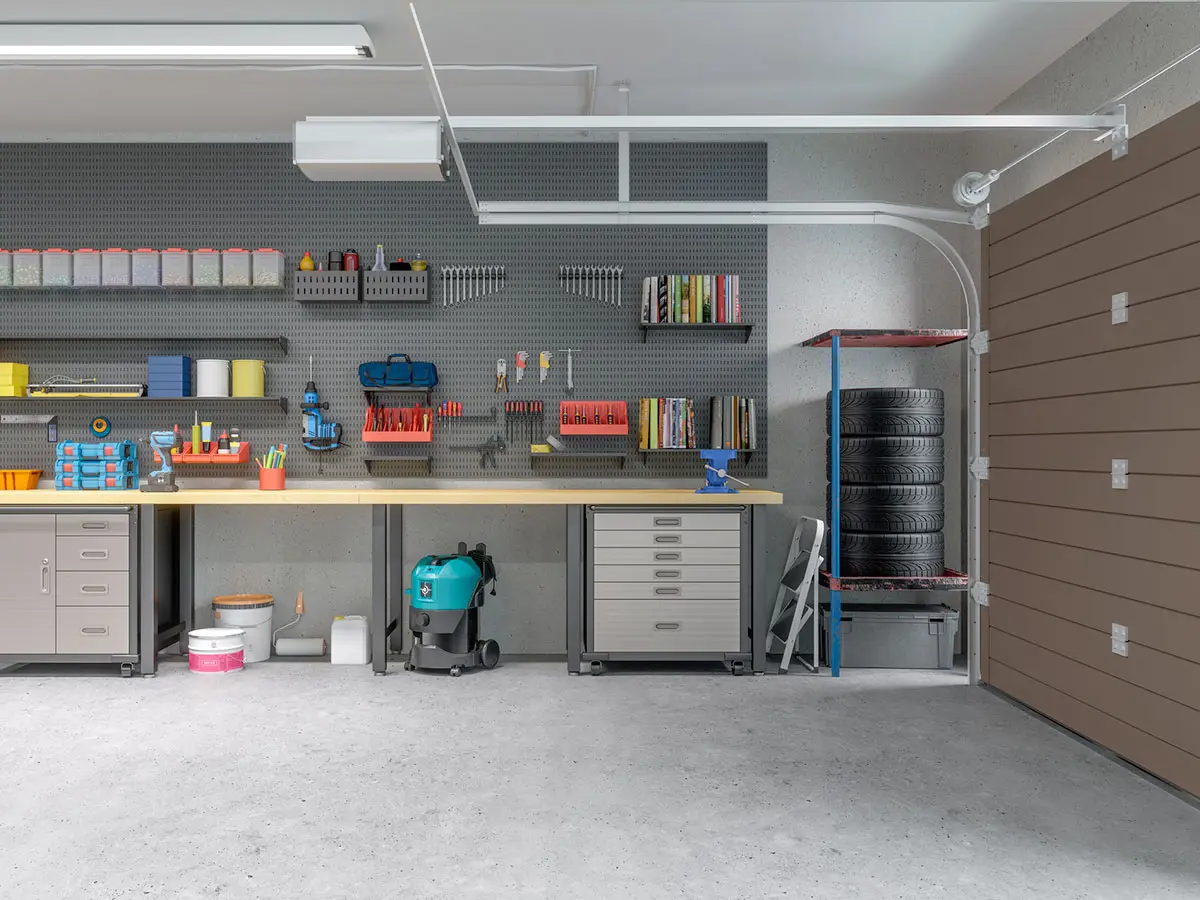
It’s safe to say that everyone is ready to leave 2020 behind. So, let’s take a glimpse into 2021 and discuss what’s going to be hot next year in the world of garages. Whether you’re a homeowner or a contractor, you’ll love these practical yet on-trend ideas.
Trend #1: Garage Conversions
Throughout the pandemic, homeowners have found themselves in need of more space as they work, learn and exercise from home. Since we’re unable to leave the house as often as we used to, it’s important we make the best use of our available space so family members can get some much-needed alone time. But when all of the rooms in a house are maxed out, where can a homeowner turn? Garage conversions are big business and there’s no sign they’re going away. Check out these popular trends:
Gyms: Many of us miss going to our gyms but we might not be comfortable taking the risk to work out in one or else the heightened restrictions may be too onerous. Plus, there are fewer gyms open now since many have gone out of business. That’s why a converted garage space is perfect for a home gym. You can work out safely and conveniently, no matter if you like running on a treadmill, lifting weights, or doing yoga. While certain equipment requires a serious investment, there are plenty of bodyweight exercises you can accomplish with minimal cost, especially with the plethora of free or low-cost online workout options that are available nowadays. What features should you consider in a garage gym conversion?
Heating and cooling, depending on your climate. A ductless mini split is a great option for ensuring your workout space is comfortable throughout the year.
Storage for workout equipment is important so your space stays organized and looks nice. Wall-mounted racks are convenient for securely hanging heavier items while cabinets and drawers can be used for accessories and smaller equipment.
A practical new floor means you’ll be enjoying your space for years to come. Renovating a stained, ugly concrete floor is a durable, long-lasting way to pull together your new area. Consider adding rubber floor mats for comfort and to reduce impact.
Offices: If you lack a stand-alone office or a spare bedroom, your garage might be a great place to gain workspace. Start by upgrading the area to ensure it’s comfortable. You might redo a concrete floor by stamping it to mimic stone, tile, wood, or much more. Concrete is extremely versatile and there are many options for creating a beautiful interior floor. Once the flooring is done, decide if your walls need insulation and another layer of drywall to make the space look more polished. Finally, determine what kind of upgrades the garage door will need. There are many options for turning ugly, poorly insulated doors into attractive ones that are well-insulated but also let in plenty of light. Once your space is finished, the fun begins as you can arrange desks, computers, monitors, and seating in a way that inspires you and promotes productivity. Use rugs to add coziness and differentiate separate areas and add bookshelves, pictures on the walls, and plenty of lighting.
She sheds and He sheds: Most of us need a little extra space these days. If you’re needing more room for self-care, hobbies, or whatever else you enjoy, take the same steps listed above to create a comfortable inside space. Then, the options are nearly limitless for what you can do! Consider a space for:
Crafts or hobbies
Gardening
A home theater
Meditation or yoga
Gaming (either video games or board games)
A home library
Art or writing
Trend #2: Extra Storage
If your home is starting to feel a little cramped, consider using your garage to declutter the rest of your space. Be clever about your organization and you might be able to store a lot of extra items in the garage. Most garages have an excess of unused vertical space, so wall-mounted shelving systems are a smart way to make the most of the area while saving floor space for larger items, like your cars! Track systems and hooks are another good option for getting large or unwieldy items out of the way. Cabinets or storage racks with bins are perfect for hiding odds-and-ends or items you don’t want to look at.
Make sure to use the ceiling if you’re able to. Ceiling-mounted racks are great storage for infrequently used items like holiday décor. By creating garage storage, you’ll free up your closets and other crowded areas in your home. Kick back and relax in a spacious and tidy house!
Trend #3: Amped Up Aesthetics
Ok, this is why we’re here – we love talking about a beautiful concrete garage floor! There are so many pros to a concrete floor. Concrete floors are incredibly durable. Hard and strong, they’re not easily damaged and are therefore not only suitable for heavy cars and equipment but for most any type of use. Plus, they’re fairly easy to maintain when properly sealed. The ability to add radiant heat underneath is a definite bonus when concrete is used in interior projects. But in our humble opinion, the decorative options of concrete are its biggest benefit:
The texture options of concrete, achieved by using Proline stamping tools, are numerous and vary widely. Whether you want the look of stone, reclaimed wood, tile, or cobblestone, you’ll find a stamp that’s suited for you. Don’t forget to make the floor special by including a hand-crafted accent piece, a seamless accent piece, or a focal point medallion stamp.
Colors are another area where concrete shines. A vibrant look is achieved when dyes are added to wet concrete. Stains are perfect when a translucent look is wanted. Color hardeners can be used on fresh concrete for surface coverage. Shop all our color options and find your inspiration.
Finally, round out your look by polishing your concrete floor to achieve a smooth and shiny finish, or apply an acid stain for a breathtaking marble-like appearance.
Want more inspiration for your stamped concrete project? Check out our beautiful Project Gallery!
Contact Calico Construction Products for Your Garage Floor Needs
If you have a big garage project planned for 2021, contact us at 800-221-9469 or through our online form. Here at Calico, we’re thrilled to offer the full line of high-quality Proline concrete stamps. We take great pride in offering top of the line customer service, attention to detail, industry knowledge, and expertise. Let us help you achieve your dream garage!
As a small business, our days are often so busy that we have little time for marketing and promoting ourselves. That’s why we work with Stellaractive, a web design and digital marketing agency. The marketing team at Stellaractive helps us write blog posts, update our website, and run our social media accounts. Given their experience, they’ve come up with a few tips that might help our own customers promote themselves. If you’ve been interested in growing your customer base, please read below for some easy social media tips. And if you’re a homeowner? There’s something here for you too! Learn how to share your work in the decorative concrete community and benefit from decades of experience.
Social media marketing
Does your business use social media? It might feel like too much work or, even worse, a pointless task. We’re not going to tell you that you need to be staring at Facebook 24/7, but consider that you have useful and interesting knowledge and people want you to share that knowledge. Connect with customers (and potential customers!) in the spaces where they already spend their time – online! By posting regular content on a few social media outlets, you’ll enhance your visibility and customers will naturally think of you when they need your services. Where should you focus your social media efforts and what type of content should you post?
Love it or hate it, Facebook should be at the top of your list. In the U.S. alone, the platform has 190 million users. It’s a convenient way build awareness of your business while increasing trust. Facebook is also great for having personal conversations and letting users know the people behind your brand. Facebook should be used to share information and engage with followers. While organic reach is low, it’s still important to have an up-to-date and active page in order to build brand legitimacy.
Instagram is a visual platform so only consider using it if you’re able to generate enough quality, interesting images. Like Facebook, Instagram is a very popular platform with over 110 million U.S. users. What’s more? Over 75% of businesses use Instagram. Even if you’re not using Instagram, there’s a good change that your competitors are using it. By sharing project photos and how-to videos, you’ll display your skill and inspire followers.
Pinterest, another visual platform, serves as a virtual bulletin board where uses can save (or “pin”) images that inspire and interest them. If you’re a contractor serving homeowners, then it’s likely your potential customers are scrolling through Pinterest seeking home improvement ideas.
Other social media options that may or may not be right for your business include Twitter, YouTube, LinkedIn. Blogging is another marketing opportunity to consider.
Social media tips:
You don’t need to post daily if you don’t have the bandwidth but make sure you post consistently, even if it’s just once or twice a week.
Don’t get too wordy with your posts – keep them short and sweet! – and make sure to include an image.
Share updates about your business/services/products and make sure to include relevant info about your industry.
Share the great reviews you receive from your customers.
Start building a stockpile of images! They don’t have to be professional but ensure the photos are well-lit, clear, and show off your project.
Share info about your employees and business.
Consider using targeted ads on Facebook, which can expand your reach with an affordable budget.
Google My Business
To find new customers, you need to be visible when they search for your company or your services. A strong presence on Google My Business is necessary to show up on searches on in Google Maps and to get placed in the top results. A listing will show your address, contact info, hours, and customer reviews. It’s an important way to improve your local SEO and boost your credibility. Plus, it’s free to set up an account!
For Homeowners
If you’re enjoying a great new patio, driveway, walkway, or garage floor, snap a photo or video and share it! We’d love to see your finished project – simply email us and share the name of your contractor or tag us on social media. We’re active on Pinterest, Instagram, and Facebook. There’s also an active, helpful community online that thrives on sharing ideas, inspiration, and tips. Check out the Concrete Network for great resources or search Instagram for relevant, active hashtags. Try: #stampedconcrete #stampedconcretepatio #decorativeconcrete #prolinestamps #concrete
How Calico can help
Here at Calico Construction Products, we’re happy to help promote your business! We love to share your concrete creations on our social media and in our Idea Gallery. We also hold special promotions like this photo contest. Plus, we’re currently seeking contractors to profile on our blog. If you’re interested in any of these opportunities, simply contact us at info@calicoproducts.com or at 800-221-9469.
Not sure if you should use a sealer on your new concrete patio, driveway, or walkway? While it might be tempting to skip one more step, we highly recommend that you seal your concrete project! Whether it’s to enhance colors or to repel stains, sealers are a vital step in most concrete jobs.
Concrete Sealers are a must!
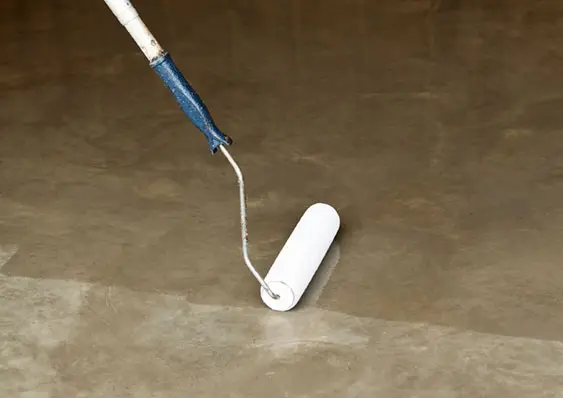
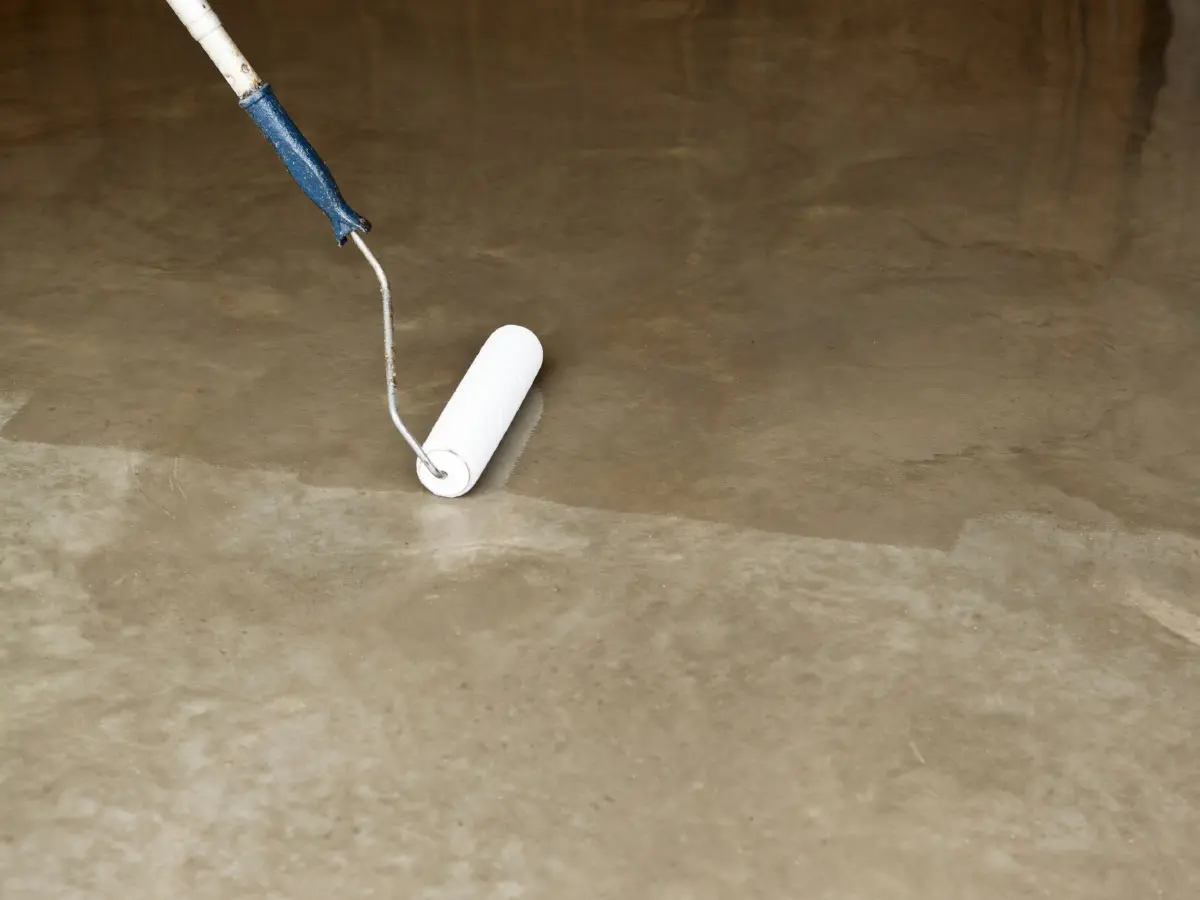
While sealers are usually the last step of your decorative concrete project installation, you should re-seal your concrete every 2 years (and even more frequently if your concrete is exposed to extreme weather conditions). Sealing concrete helps to maintain and enrich the color of concrete, whether the color is integral, a stain, a dye, or from color hardener. Sealers can add sheen to the concrete, such as a high gloss, or no sheen at all, like a matte. Concrete sealers block the penetration of dirt, oil, grease, and chemicals while making the surface much easier to clean. Concrete sealers also help to prevent wear and tear from high foot and auto traffic areas.
What type of sealer do you need?
You should first take into account your state’s requirements on volatile organic compounds (VOCs). Sealers with higher VOC levels may not be legal in your state. For example, Californians are only permitted to use sealers with a VOC no higher than 100.
The most common concrete sealers are acrylic-resin based sealers. Acrylic sealers are cost-effective and often blended with epoxies, polyurethanes, or silicones to improve performance and water resistance. Acrylic sealers are available in many forms with some performing far superior to others. A less expensive, lower performing sealer, such as one composed of styrene-acrylic, may yellow and degrade when exposed to sunlight or extreme weather conditions. The best type of sealer is a pure acrylic resin sealer that will last longer with no yellowing.
There are other types of sealers such as polyurethanes, epoxies, and penetrating resins. In general, the epoxy or polyurethane sealers cost more than acrylics and tend to be more slippery. They also may not allow for moisture vapor to move out of the concrete if applied incorrectly. If the sealer doesn’t allow for moisture vapor and air to move in and out, a white hazing or fogging can occur. This can be prevented by avoiding moisture in the sealing process.
Follow the concrete sealer instructions!
We highly recommend you stick to manufacturer recommendations for allowing concrete to cure fully before applying a sealer and for the appropriate surface preparation. Pay attention to the temperature and weather forecasts as well, because applying while too hot or too cold or being surprised by a rain shower can cause issues. Also, be sure to apply the sealer to the appropriate thickness required for the sealer. Applying a sealer too thickly will prevent the water moisture from passing through the sealer and result in a foggy appearance. MSDS and product information sheets are available for all of the sealers we sell at Calico Construction Products. Read them fully before applying the sealer and call us at 800-221-9469 or send an email if you have any questions.
Sealers protect concrete, too
It’s important to select a sealer that will protect your decorative concrete from foot traffic and weather. Keep these tips in mind:
If you are sealing a driveway or garage that will be subjected to grease and oil, you’ll need a product that specifically repels these stains while resisting water intrusion and abrasions.
The sealer primarily recommended for exterior concrete flatwork is a solvent-based or water-based acrylic.
For interior concrete work, a sealer with good resistance to scuffs and stains such as polyurethane or epoxy would be best and easiest to maintain.
A good concrete surface protector such as Calico Top Finish can add extra protection to your sealed concrete surface.
Acrylic sealers are often used on exterior concrete surfaces because they breathe well and provide good water resistance.
Epoxies are excellent for water repellence and oil and grease spills but must be applied correctly to prevent the restricted release of moisture vapor.
Don’t slip
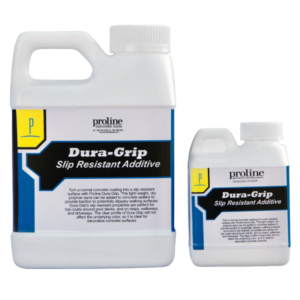
If you are nervous about slick concrete there are many products available to decrease the slickness of the surface. Calico Aluma Grip comes in coarse or regular and provides slip resistance. It’s typically tossed in the air and broadcast on the surface of still wet coatings. It’s excellent around pools or food preparation areas and recommended for use with Calico’s solvent-based acrylic and acrylic urethane 2C sealers. Proline’s Dura Grip also provides slip resistance. This non-abrasive micronized polymer can be easily mixed into most sealers without affecting viscosity. It’s a great way to add slip resistance to a high-traffic decorative concrete project, such as patios and walkways.
One place for all your concrete needs
Calico Construction Products is your source for the best in concrete sealers, as well as Proline concrete stamps, tints, accessories, and more. To find out more about the sealers we offer, please read our Frequently Asked Questions or contact us at 800-221-9469. We’re here to answer all your questions and help you find the right product for the job!
Have you been spending a lot of time in your backyard this summer? Yeah, us too! We’ve heard from many customers who are looking at upgrading a backyard space so we wanted to share some of our favorite ideas. Let’s get that backyard looking great!
Make shade
Create a perfectly comfortable sitting area by adding a bit of shade. There are a variety of options that meld style with functionality. Retractable shades are one option for hot summer afternoons. They block the sun with the press of a button and then roll back up when you feel like getting some rays. Available at most major retailers, there are solutions suited to a variety of dimensions and budgets.
If you’re looking for a more permanent structure, a pergola or patio cover can be a good addition to a sunny backyard. Pergolas are open structures that can be freestanding or attached to a home. With a frame and open rafters, a pergola is exposed to the elements but fabric sheets or vines can provide privacy and shade. Patio covers, on the other hand, are usually attached to a home and have a weatherproof roof. Ceiling lights or fans can be added. Both pergolas and patio covers can be customized with a variety of materials and designs in order to complement a home and its landscaping.
Cool off
Ok, this one is a major undertaking. But if your family loves swimming, a pool is an incredible way to upgrade your yard. If you have the budget and the space, a backyard pool provides excellent low-impact aerobic activity and tons of fun. Concrete pool decks are extremely durable and can be customized to mimic many other materials. They can even be stamped and tinted for a show-stopping look. Even better? Concrete is a fraction of the cost of other materials like stone or wood. Learn more about concrete pool decks!
Heat it up
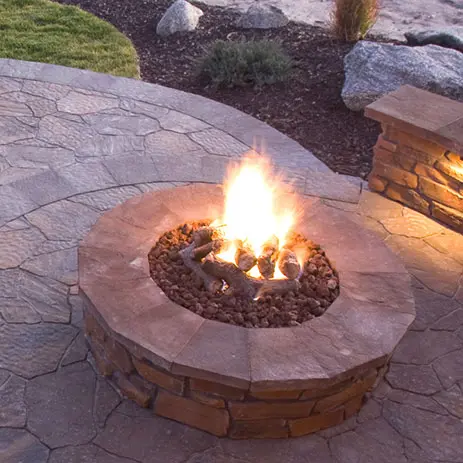
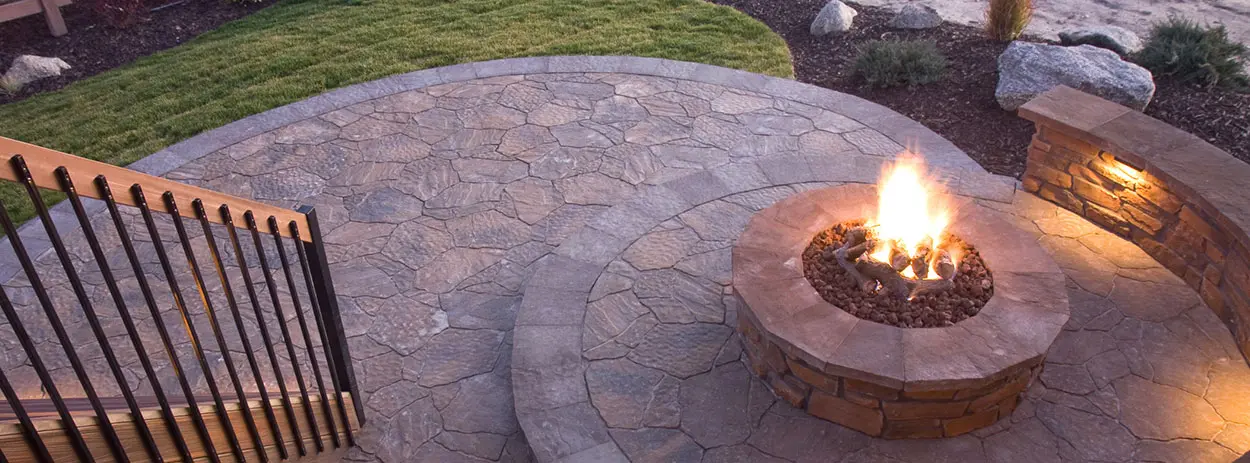
Just because it’s summer doesn’t mean that you won’t enjoy some heat! Consider fun ways to mix it up. A hot tub is an affordable yet luxurious addition to a backyard deck. Make every day a spa day and unwind with a cold beverage while you let the hot water relax your muscles and your mind! If you’re not a hot tub person, consider a relatively simple fire pit. They’re great for entertaining a few guests or just the kids as you roast marshmallows. From fire rings that cost under $50 to wood burning fire pits that cost several hundred dollars, there are nearly endless options that can fit your space and your style. You can even make a fire pit out of concrete using one of Proline’s Form Liners. If you consider ambient lighting products like gas tabletop fire pits or fire bowls, there are even more choices. Plus, concrete fire pits are a pretty easy DIY project if you’re up for it!
Relax
It sounds obvious but turn your backyard space into the oasis you’re dreaming about! Simple touches can go a long way in creating a truly relaxing space.
Water feature: If you love the sound of a babbling brook, then consider installing a relaxing water fountain. The sound of running water is extremely relaxing, no matter if you enjoy yoga or meditation in your backyard or just reading a book at the end of the day. Proline makes a ledger stone water feature as well. You really can do almost anything with concrete!
Comfy furniture: Go beyond the simple set of chairs and invest in a set of lounge chairs, a patio swing, or even a sectional sofa. With fabric that can be water-resistant and UV protected and cushions that can be removed, there’s nothing stopping you from taking the best nap of your life. Whatever furniture you choose, ensure the layout encourages your favorite relaxing activities, like reading, conversing, or sleeping! An inviting space lets you unwind in comfort and style.
Get cooking
An outdoor kitchen is the perfect way to amp up the functionality of your backyard space. Whether you’re a master griller or you want to make your own wood-fired pizzas, there are plenty of choices. Stamped and stained concrete floors, edging, and even countertops can provide you with the ultimate in durability and style. Learn more about our outdoor kitchen recommendations!
Make it pretty
Your backyard needs to be beautiful! No matter how small it might be or what the neighbor’s yard is like, you can make sure that your space is a place you want to spend time.
Make it green: Your backyard can be green even if your thumb isn’t! Once you know your planting zone, look for plants that will thrive in your area. Commitment-phobes can plant annuals that last only one season and hands-off gardeners can plant perennials that come back year after year. Plant flowers in raised beds or use an assortment of planters in varying colors, shapes, and sizes for a boho-chic look.
Light it up: Don’t forget the lights! Lights provide your backyard with the perfect ambiance, whether you’re dining al fresco, playing board games, or enjoying a glass of wine. Illuminate with hanging lanterns, torches, or string lights. Consider lighting up your landscaping elements. Spotlights can highlight beautiful trees or architectural elements. Path and area lights can illuminate walkways but also landscaped garden beds.
Create privacy: If your views are less than ideal, consider privacy screens and other ways to improve your surroundings. Fences are always a great option, of course, but there are other methods. Living fences, like arborvitae or hedges, are beautiful. Pergolas, especially those planted with vines, are a good way to create an enclosed space. Other options include planted trellises and panel curtains.
Need some help?
If you’re looking to get started on a fantastic new outdoor project, shop our great selection of concrete stamps. The friendly experts at Calico Construction Products are standing by to answer your questions! Call us at 800-221-9469.
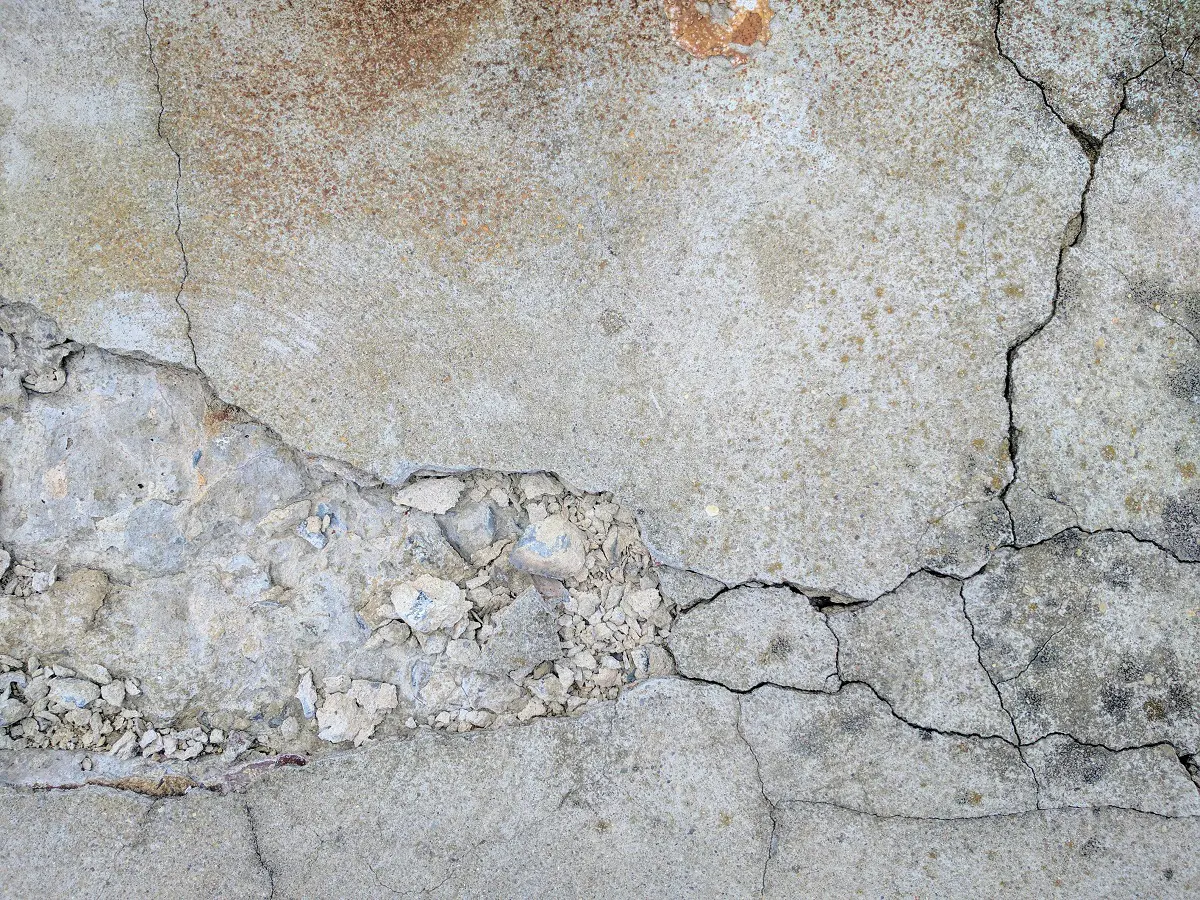
A properly installed concrete patio or driveway can last for decades but it’s inevitable that small cracks or holes may eventually appear. Unlike other materials, such as wood, concrete can be repaired and restored to its former glory so it looks like new. If your concrete has developed a few imperfections, it’s important that you get it repaired as soon as you can. While certain types of cracks may appear to be minor, they can actually create more damage over time if not fixed. Not to mention that they’re unsightly and can be a tripping hazard, too.
Don’t let a small problem turn into a larger (and more expensive!) issue. While there are certain types of cracks that a seasoned DIYyer may feel comfortable taking on, in most cases, we generally recommend that homeowners call in the professionals to repair a cracked driveway, walkway, or patio. Regardless of who is going to do the repair, it’s important to know what you’re dealing with. Let’s dive in!
The concrete repair process
In general, repairing a crack in concrete is pretty straightforward. Once the area is clean and completely free of dirt and oil, the steps are as follows.
Key the crack: The crack needs to be “keyed,” which means making the inside of the crack wider than it is on the surface. Keying ensures the patching material will bond with the old concrete. Simply hold a chisel at an angle and use a hammer to break up the material inside, making sure to chip up any crumbling or loose concrete. Chisel to about one inch below the surface. You can also use a grinder with a diamond wheel for this process.
Clean the crack: Clean the crack after it has been keyed. Use a wire brush and vacuum nozzle to remove any remaining loose pieces and rinse the area well and let dry. For outdoor jobs, cracks can be cleaned while pressure washing. Hold the tip of the spray wand a couple of inches from the surface and parallel with the crack to force out weeds, dirt, etc. After cleaning the surface and the cracks, use a wet/dry vacuum to remove standing water from the cracks. Let dry. Remember to wear the proper protective gear, like goggles, since the work is very dusty.
Repair the crack: There are different repair materials for different types of cracks. We’ll get more into that below! Use your chosen material and slowly fill the cracks. After a few minutes, see if the material has settled into the crack and apply more if needed. Use a trowel to smooth everything out.
Cure and seal: Follow the package directions and let the material cure. Depending on the product you use, additional filler material may need to be applied after the first application has cured. Once the concrete is repaired, you can proceed with the next step of your project: maybe an overlay, or simply a color and seal. Whatever you decide, when finished, you may want to consider sealing the entire area. This prevents the concrete from absorbing stains in the future.
The right product for the job
Not all cracks in concrete are the same! You might be dealing with a small crack or a large one. Maybe yours is shallow and horizontal or deep and vertical. Is your crack localized or is there widespread damage? The key to a successful concrete repair is using the right product. A professional assessment of the situation is essential to ensure that the repair is handled properly. Don’t waste time and money (and potentially make the problem worse) by using the wrong materials.
Concrete Crack Repair
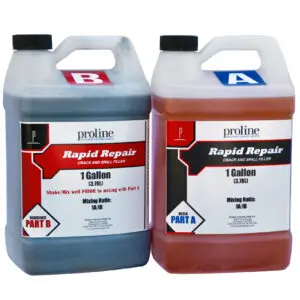
Proline’s Concrete Crack Repair System fixes structural or moving cracks running through the entirety of a concrete slab. Consisting of Crack Repair Fabric, Elastomeric, and Rapid Repair, this system is a convenient way to fix cracks that run from an edge to an edge, a joint to an edge, or a joint to a joint.
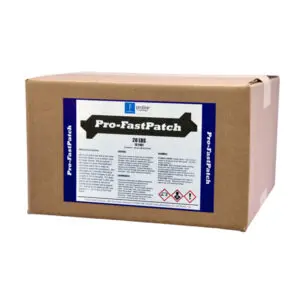
Proline Pro-FastPatch is strong, rapid curing patching cementitious material. It’s able to patch and repair concrete from 0”-1/2” thick (or ¾” – 1 ½” with pea gravel).
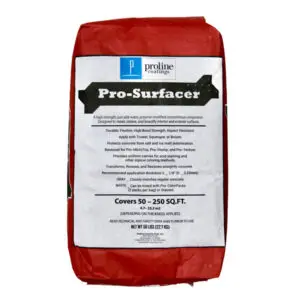
For non-moving surface cracks or those that do not begin or end at a joint or edge, fill using Proline’s Pro-Surfacer. This popular polymer cementitious overlay can be used to finish patching/feathering over the repaired crack and waterproof elastomeric membrane. Use a second thin coat, and possibly a third (in some cases) over the entire surface and blend all the repairs together. Your area is now ready to be resurfaced with a broom finish, spray texture, or other coating system.
Still have questions? Contact the pros at Calico Construction Products to find the best solution to your problem! Contact us at 800-221-9469 or info@calicoproducts.com today.
Adding a patio or a deck to your home is a great way to increase living space and enjoyment in your yard. It’s perfect for summer grilling, entertaining, and spending more time outside overall. Plus, if you’re practicing some form of social distancing this summer, gathering with small groups of friends and family may be less risky if you’re outside, most experts believe. Why not make your yard a beautiful and functional space? However, homeowners often debate the merits of concrete patios versus wooden decks. Which one is better and what are the pros and cons? (Spoiler: We’re Team Patio all the way!)
Stamped concrete featuring a tinted medallion by Interscope Contractors
What’s the difference between a patio and a deck?
Let’s start with the basics. A patio is generally a paved area that is directly on the ground while a deck is a wooden structure that is built at least a little bit above the ground. Patios are usually less expensive to install while decks may have a better ROI.
Materials
Patios are usually made of poured concrete, which can also be stamped to provide a wide variety of looks. (Other common patio materials include pea gravel, brick, stone, or pavers.) Concrete is a popular patio material due to the fact that the material itself is inexpensive and it’s an easy way to get a durable, hard surface in a yard. Concrete is made of water, cement, and aggregates like crushed stone or sand. Concrete patios can crack and wear down over time, especially if they’re not maintained, although the average lifetime of concrete is up to 30 years. Concrete also needs to have proper drainage when installed.
Decks are generally crafted out of wood, such as redwood or cedar, although composite materials made of sawdust and plastic are popular, too. Certain species of wood are naturally resistant to rot and insects, although the level of resistance varies by species and how much heartwood the boards contain. A wood like cedar is on the softer side so it can easily be scratched by pets or furniture. Most wood decks will last 15-20 years although it degrades under less-than-ideal conditions, such as ground-level installation and in areas that are shaded.
Maintenance
Concrete patios need to be cleaned with a hard-bristled brush once a year. They should also be sealed every two years. Sealers are a great way to preserve your patio and make it easier to maintain. Sealers help maintain a patio’s color and can even intensify the color or add sheen. They also make the concrete easier to clean, since sealers prevent dirt and oil from penetrating. Sealers reduce water intrusion, which minimizes the risk of damage from freeze-thaw cycles. Lastly, sealers even prevent regular wear-and-tear in high traffic areas.
Wood decks, especially if they’re directly exposed to the elements, require annual power washing and a finish applied every three or four years. A preservative with a water repellent protects the surface and reduces hairline splits. A semitransparent stain is needed to maintain the wood’s natural color. Otherwise, the color will turn silvery gray.
Design options
Wood Plank Concrete Stamped Deck
Since concrete is applied as a wet paste and it hardens over time, it provides many opportunities for custom design. Stamped concrete, as mentioned above, is the process of pressing flexible stamps into fresh concrete. A wide variety of stamps can mimic the texture of other materials, like stone, tile, brick, and wood. Plus, concrete can be dyed nearly any color. Due to these stamping and color options, concrete is extremely versatile. A concrete patio can seamlessly fit in with any home style, design, and decor. From rustic cabins to Adobe style and everything in between, a concrete patio will look fantastic.
Wood like cedar can easily be stained, colored, and treated with finishes. Due to the different dimensions and grades available, and since it can be easily cut, a wood deck is usually easy to build and it can work with many designs. However, a wood deck will always look like a wood deck, no matter how nice it is.
Sustainability
While concrete generates a high amount of carbon dioxide, a greenhouse gas, there are aspects of it that are actually considered sustainable. Concrete can be made from a variety of waste byproducts so it’s resource-efficient. Concrete is also extremely durable – generally double or triple the lifespan of other materials – and it won’t rust, rot, or burn. At the end of its lifespan, it can be crushed and used in pavement or roads.
Natural woods are often considered environmentally friendly because they’re renewable and biodegradable. If the wood contains an eco-friendly designation, like the Forest Stewardship Council, you can be reasonably sure that it’s a good green option.
The bottom line
We’re obviously biased when it comes to the best patio material but we’re consistently impressed by concrete’s durability and, above all, versatility. It can create truly beautiful outdoor areas. Browse our gallery for inspiration or check out our Pinterest board.
Welcome to the NEW Calico Products website! We’ve improved our product catalog, category navigation, and shopping experience. If you have trouble finding something, please contact us and we’ll be happy to help.


 Have you completed a stamped concrete project recently? Do you love what you created? Enter our photo contest for the chance to win a $150 gift card to Calico Construction Products. Three winners will be chosen! Bask in recognition and accolades from your peers while getting a little extra love on your website and social media (thanks to our links and callouts!).